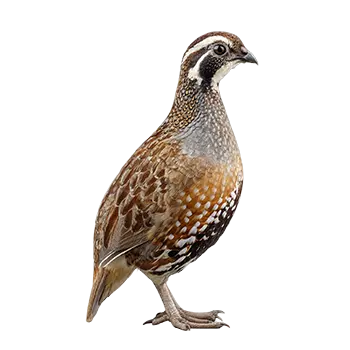

Technology has transformed the way Bobwhite Quail keepers manage their birds, shifting many aspects of daily care from manual observation and guesswork toward data-driven decision making. Sensors, cameras, automated controls, and digital record-keeping tools address the fundamental challenge of quail husbandry: these are small, fast, and stress-prone birds that are difficult to observe closely without disturbing them, and they occupy environments where conditions such as temperature, humidity, and predator activity can change faster than a keeper can manually monitor.
The value of technology in a quail operation is not about replacing hands-on care but about extending the keeper's awareness beyond the moments when they are physically present at the enclosure. A temperature sensor with remote alerts can notify a keeper of a dangerous heat spike in a brooder while they are at work. A trail camera can reveal the raccoon testing the pen walls at three in the morning. An automated lighting timer can maintain the precise photoperiod schedule that drives breeding behavior without requiring the keeper to flip switches at dawn and dusk every day. These are not luxuries but tools that prevent losses.
The technology landscape for small-scale poultry and game bird operations has expanded dramatically in recent years, driven by the broader consumer electronics trend toward connected devices and affordable sensors. Many products originally designed for home automation, wildlife observation, or agricultural monitoring can be adapted to quail keeping with minimal modification. Purpose-built poultry technology products have also entered the market, though they tend to be designed for chickens and may require thoughtful adaptation for the smaller scale and different behavioral characteristics of quail.
Adopting technology should be guided by the specific pain points and risks of the individual operation rather than by the appeal of the devices themselves. A keeper in a region with extreme summer heat might benefit most from temperature monitoring and automated ventilation, while a keeper in an area with heavy predator pressure might prioritize trail cameras and motion-activated deterrents. Matching the technology investment to the actual threats and management challenges of the operation produces the highest return in bird welfare and operational efficiency.