
Housing Requirements

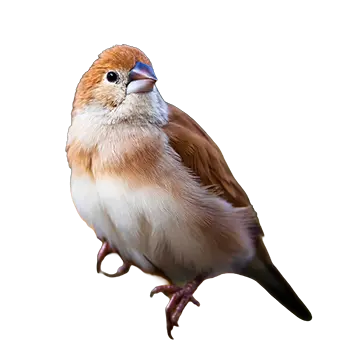
The African Silverbill is a small, active finch that requires more flight space than its diminutive size might suggest. In the wild, these birds spend much of their day in low, sustained flight between feeding areas and roosting sites across open scrubland. Captive housing must accommodate this natural behavior by prioritizing horizontal length over vertical height. A tall, narrow cage forces the bird into short vertical hops rather than the level flight that exercises its flight muscles and cardiovascular system, leading to a sedentary bird prone to obesity and muscle atrophy.

Social needs also shape housing decisions. African Silverbills are obligately social and should never be kept alone. A minimum of two birds, and ideally a small group, is necessary for behavioral health. This social requirement directly affects enclosure sizing, as each additional bird needs adequate space to fly, perch, and retreat from flock mates without constant territorial pressure. Overcrowding in an undersized enclosure transforms the Silverbill's normally peaceful temperament into stress-driven aggression and feather damage.

Temperature tolerance is another factor that influences housing choices. As a species adapted to warm, dry climates, the African Silverbill is less cold-hardy than many commonly kept finches. Indoor housing in climate-controlled rooms is the safest approach in most temperate regions. Birds kept in outdoor aviaries need access to a heated shelter during cold months, and the aviary must be fully protected from drafts, rain, and wind. Humidity should be kept moderate, as the species is adapted to arid conditions and can develop respiratory problems in persistently damp environments.

The enclosure must also account for the Silverbill's relatively timid nature. These are not bold, assertive birds, and they startle easily when housed in high-traffic areas or in enclosures without visual barriers. Placing the cage or aviary in a quiet area of the home, with at least one side against a wall to provide a sense of security, reduces chronic stress and encourages natural behavior. Avoid locations directly adjacent to doors, windows facing busy streets, or rooms with frequent loud activity.

Cage Selection and Sizing

For a pair of African Silverbills kept indoors, the minimum recommended cage size is thirty inches long by eighteen inches deep by eighteen inches tall. This is an absolute minimum, and larger is always better. Flight cages measuring thirty-six to forty-eight inches in length provide meaningfully more exercise space and are the preferred option for keepers who cannot offer an aviary. The emphasis should always be on length. A cage that is thirty-six inches long and eighteen inches tall will produce happier, healthier birds than one that is eighteen inches long and thirty-six inches tall.

Bar spacing is a critical safety consideration for this small species. African Silverbills can squeeze through or become trapped in bar gaps that seem impossibly narrow. Maximum bar spacing should be no more than three-eighths of an inch, and half-inch spacing, which is standard on many cages marketed for small birds, is too wide. Horizontal bar orientation on at least two sides of the cage allows the birds to climb and cling, which they will do occasionally even though they are not primarily climbing birds. Vertical-only bars limit this behavior and reduce usable cage space.

Cage material should be powder-coated steel or stainless steel. Avoid zinc-coated or galvanized wire, as finches that chew or lick the bars can ingest zinc, leading to heavy metal poisoning. Brass and copper cages carry similar risks. If the coating on a powder-coated cage chips or wears, the exposed metal should be sealed or the cage replaced to prevent ingestion of metal fragments or rust.

The cage should have a removable bottom tray for easy cleaning, and a grate above the tray that prevents the birds from walking in accumulated droppings. Multiple access doors are valuable for maintenance, allowing food dishes, water containers, and nesting materials to be serviced without reaching across the full width of the cage. Some flight cages feature large front-opening doors that effectively convert the entire front panel into an access point, which simplifies deep cleaning enormously.

Aviary Options

An aviary is the gold standard for housing African Silverbills, providing flight space, environmental complexity, and social opportunity that no cage can replicate. Indoor aviaries built into a dedicated room or alcove offer the best combination of climate control and space. A typical indoor aviary for a small colony of Silverbills might measure six feet long, three feet deep, and four feet tall, constructed from welded mesh panels on a wooden or metal frame. The mesh gauge should follow the same spacing guidelines as cages, with openings no larger than three-eighths of an inch.

Outdoor aviaries offer natural sunlight, fresh air, and exposure to seasonal cycles that can stimulate breeding behavior. However, they introduce risks that indoor setups avoid. The aviary must be fully enclosed with fine mesh on all sides, including the roof and floor, to prevent escape and exclude predators. Rodents, snakes, and cats can reach through mesh to grab small finches, so double-wiring with a gap between layers or using hardware cloth with half-inch maximum openings provides an additional safety margin. A solid roof section or attached shelter gives the birds protection from rain, direct sun, and wind.

Planted aviaries, where live vegetation grows within the enclosure, create the most naturalistic environment. Non-toxic grasses, small shrubs, and trailing plants provide cover, nesting sites, and foraging opportunities that closely resemble the Silverbill's native habitat. However, planted aviaries require significantly more maintenance than bare enclosures. Soil must be managed to prevent parasitic buildup, plants need pruning and occasional replacement, and the enclosure must be designed to allow adequate drainage and airflow around the root zone.

For keepers with limited space, a compromise between cage and aviary is the large indoor flight enclosure. These units, sometimes called flight cabinets or bird rooms, are typically four to six feet in length and constructed from mesh panels that can be disassembled for cleaning or relocation. They lack the scale of a true aviary but provide dramatically more flight space than even the largest commercial cage, and they fit into a standard room without structural modification.

Interior Layout and Perching

The interior arrangement of the enclosure is just as important as its overall dimensions. Perch placement should create clear flight paths across the longest axis of the cage or aviary. Position perches at each end of the enclosure, roughly two-thirds of the way up from the floor, leaving the central space open for unobstructed flight. Filling the middle of the cage with perches, toys, or accessories fragments the flight path and defeats the purpose of providing a long enclosure.

Perch material and diameter affect foot health directly. Natural wood branches of varying diameter are far superior to the uniform dowel perches that come standard with most cages. The variation in thickness exercises the foot muscles and prevents pressure sores that develop when the bird grips the same diameter continuously. Suitable wood species include manzanita, java wood, willow, and fruit tree branches such as apple or pear. Avoid cedar, pine with visible sap, and any wood that has been chemically treated. The bark should be left on natural branches, as it provides texture and foraging interest.

The number of perches should match the number of birds with room to spare. Silverbills roost communally and will crowd together on a single perch at night, but during the day, each bird needs the option to perch separately. A pair requires a minimum of three to four perching spots. A colony needs enough positions that subordinate birds can always find a perch away from dominant individuals. Rope perches and flexible spiral perches add variety but should not replace natural wood as the primary perching surface.

Floor covering serves hygiene and comfort purposes. Paper liners, whether plain newsprint, butcher paper, or commercial cage liners, are the easiest substrate to monitor and replace. They allow quick visual assessment of droppings, which is valuable for health monitoring. Some keepers use fine-grade corn cob bedding or hemp substrate in aviaries, which absorbs moisture and provides a more naturalistic floor. Sand or grit substrate, once commonly used, has fallen out of favor due to the risk of crop impaction if finches ingest large quantities. Regardless of the substrate chosen, the floor should be cleaned or replaced frequently enough that droppings never accumulate to the point of generating ammonia or harboring bacteria.

Nesting and Breeding Setup

African Silverbills are enthusiastic nest builders and will attempt to construct nests in almost any captive environment if provided with materials and a suitable site. Even non-breeding setups benefit from offering a covered sleeping nest, as Silverbills prefer to roost in enclosed spaces rather than on open perches. Wicker or bamboo finch nests, either the closed basket type with a side entrance or the half-open cup style, are well-accepted. Position them high in the enclosure, as the birds feel most secure nesting at the highest available point.

For breeding pairs or colonies, provide more nest sites than there are pairs, which reduces competition and allows each pair to select their preferred location. Two to three nest options per pair is a reasonable ratio. Vary the nest types and positions to offer genuine choice. Some pairs prefer a fully enclosed wicker basket, while others favor a half-open nest box or even a dense clump of artificial foliage where they can build a free-standing nest from scratch.

Nesting material is essential and should be abundantly available during breeding periods. African Silverbills construct domed nests from fine grasses and soft fibers. Dried grass stems, coconut fiber, sisal fiber, and soft white feathers are all suitable materials. Offer them in a small wire basket or clip attached to the cage wall where the birds can pull strands as needed. Avoid cotton wool and synthetic fibers, which can wrap around toes and legs, causing constriction injuries. Some keepers provide small pieces of tissue paper, which the birds shred and incorporate into the nest lining.

The breeding enclosure should be positioned to minimize disturbance. Once a pair begins nest building, reduce maintenance activity near the nest to essential tasks only. Silverbills are generally tolerant of routine cage cleaning, but sudden changes in the environment, rearrangement of perches or accessories, or increased human presence near the nest can cause abandonment, particularly during the early stages of incubation. If nest inspection is necessary, limit it to brief, calm checks when the parents are off the nest feeding.

Placement and Environmental Factors

Where the enclosure is positioned within the home or aviary building has a profound effect on the birds' health and behavior. African Silverbills thrive in consistent, warm environments with ambient temperatures between sixty-five and eighty-five degrees Fahrenheit. They tolerate the upper end of this range well, reflecting their adaptation to hot climates, but prolonged exposure to temperatures below sixty degrees causes stress and increases susceptibility to respiratory illness. Avoid placing the cage near exterior doors, drafty windows, or air conditioning vents that create localized cold zones.

Lighting is a significant environmental factor that influences behavior, molting cycles, and breeding readiness. Natural daylight from a nearby window, supplemented with full-spectrum avian lighting, provides the best results. Full-spectrum bulbs that emit light in the UVA and UVB ranges support vitamin D synthesis, calcium metabolism, and the birds' ability to see the full color spectrum of their plumage, which plays a role in mate selection. Position lights above or to the side of the enclosure on a timer that provides ten to twelve hours of light during non-breeding periods, extending to fourteen hours to stimulate breeding.

Kitchens are categorically unsuitable locations for bird housing. Cooking fumes, particularly from overheated nonstick cookware coated with polytetrafluoroethylene, release gases that are rapidly fatal to birds. Even normal cooking produces smoke, steam, and aerosolized oils that compromise air quality for a species with an extremely efficient respiratory system. Rooms with scented candles, air fresheners, or regular use of aerosol sprays are similarly problematic.

Noise levels should be considered during placement. While African Silverbills are not as stress-sensitive as some delicate finch species, constant loud noise from televisions, music systems, or household activity disrupts their rest cycles and elevates cortisol levels over time. A quiet room that receives moderate foot traffic allows the birds to acclimate to human presence without being overwhelmed. Covering the cage partially with a light cloth in the evening signals the end of the active period and helps establish a consistent sleep cycle of ten to twelve hours of uninterrupted darkness.

Cleaning and Maintenance

A consistent cleaning routine is non-negotiable for maintaining health in any finch enclosure. Daily tasks include replacing or refreshing food and water, removing uneaten fresh foods, and wiping down any surfaces visibly soiled with droppings. Food and water dishes should be washed with hot water and mild dish soap daily, rinsed thoroughly, and dried before refilling. Biofilm, the slimy layer that forms on water dish surfaces, harbors bacteria and should be scrubbed away completely at each cleaning.

Weekly cleaning involves replacing the floor substrate, washing all perches that have accumulated droppings, and wiping down cage bars and the bottom tray with a bird-safe disinfectant. Dedicated avian disinfectants are formulated to be effective against common bird pathogens without leaving residues toxic to the birds. Household bleach diluted to a ratio of one part bleach to thirty parts water is an acceptable alternative, provided the surfaces are rinsed thoroughly and allowed to dry completely before the birds are returned. Never use phenol-based cleaners, pine oil products, or scented household disinfectants.

Monthly deep cleaning requires removing the birds to a secure holding cage and disassembling as much of the enclosure as possible. Soak removable components such as grates, trays, and plastic perch holders in a disinfectant solution, scrub all cage surfaces including corners and crevices where droppings accumulate, and inspect the cage for signs of rust, worn powder coating, or structural damage. Natural wood perches should be replaced when they become heavily soiled or when the bark has been fully stripped, as bare, porous wood is difficult to sanitize and can harbor mites and bacteria.

Aviary maintenance follows the same principles at a larger scale, with additional attention to substrate management, plant health, and structural integrity. Outdoor aviaries require periodic inspection of mesh for rust, holes, or loose connections that could admit predators. Drainage systems must remain functional to prevent standing water, which breeds mosquitoes and fosters bacterial growth. A well-maintained aviary is not merely a clean one but a structurally sound, safe, and hygienic environment that supports the birds' health proactively rather than reactively.

Always consult a qualified professional before making any health-related decisions. This content is provided for informational reference only and should not replace professional guidance specific to your animal.