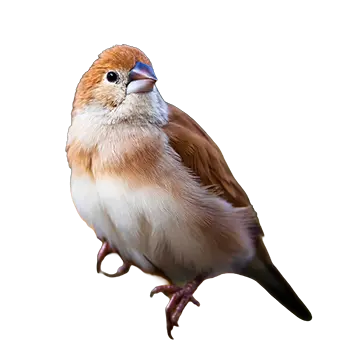

The African Silverbill is a small, hardy estrildid finch native to the arid and semi-arid scrublands of sub-Saharan Africa and parts of the Arabian Peninsula. In the wild, its diet consists primarily of grass seeds gathered from the ground and from seed heads on standing grasses, supplemented by small insects during the breeding season. Understanding this natural dietary profile is the starting point for assembling a captive feeding program that supports the bird's metabolism, feather condition, and reproductive health over its full lifespan.
As a granivorous finch, the African Silverbill's caloric requirements are modest compared to larger psittacines, but the nutritional density of what it eats matters enormously. A seed-only diet, even one composed of high-quality seeds, will eventually produce deficiencies in vitamins, minerals, and amino acids that manifest as dull plumage, poor breeding results, and a shortened lifespan. The goal is a diet built on a quality seed base but enriched with egg food, greens, and mineral supplementation to fill the gaps that dry seed alone cannot cover.
Protein requirements increase significantly during the molt and breeding season. Wild Silverbills actively hunt small insects when feeding chicks, and captive birds benefit from an equivalent protein boost during these periods. Egg food, sprouted seeds, and commercial soft food products serve this role in captivity. Outside of breeding season, protein needs are lower, and the diet can lean more heavily on the seed base with regular offerings of greens and vegetables.
Calcium and iodine are two minerals that deserve particular attention. Calcium is essential for egg production in hens and for skeletal health in all birds, while iodine supports thyroid function, which regulates metabolism and feather growth. Cuttlebone, mineral blocks, and grit containing oyster shell are the primary delivery mechanisms for these minerals in a finch aviary, and they should be available at all times rather than offered intermittently.