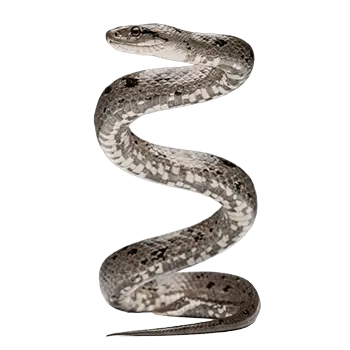

The end-of-life phase in a Gray Rat Snake (Pantherophis spiloides) may arrive as the culmination of a gradual geriatric decline or may be precipitated by the diagnosis of a terminal illness at any point in the animal's life. Regardless of the cause, recognizing that an animal has entered a terminal trajectory is the essential first step in transitioning from curative or maintenance care to a palliative approach focused on comfort and dignity. This recognition requires both objective assessment and an honest emotional reckoning on the part of the keeper, who must distinguish between treatable setbacks and irreversible decline.
Signs that a Gray Rat Snake is entering terminal decline include a sustained refusal to feed that persists beyond any reasonable seasonal or behavioral explanation, progressive and irreversible weight loss despite appropriate husbandry and veterinary intervention, chronic inability to shed without assistance, persistent or recurrent infections that do not respond to treatment, and a marked withdrawal from all activity including thermoregulatory basking. Individually, any one of these signs might indicate a correctable problem, but their convergence — particularly in an animal of advanced age or with a diagnosed terminal condition — typically signals that the body's systems are failing in a way that cannot be reversed.
The keeper should consult with a reptile-experienced veterinarian when terminal decline is suspected, both to confirm the assessment and to discuss the range of options available. Diagnostic imaging, blood work, and physical examination can help determine whether a treatable cause has been overlooked or whether the clinical picture is consistent with irreversible organ failure, advanced neoplasia, or systemic metabolic collapse. A veterinarian who has followed the animal's health over time is best equipped to place the current presentation in the context of the animal's longitudinal history and provide an honest prognosis.
Accepting that an animal is dying is one of the most difficult aspects of reptile keeping, and keepers should not feel that acknowledging terminal decline represents a personal failure. Gray Rat Snakes that have been well cared for throughout their lives may still succumb to cancer, organ failure, or other conditions that are beyond the reach of preventive care. The keeper's responsibility at this stage shifts from extending life to ensuring that the life that remains is as comfortable and free from suffering as possible.