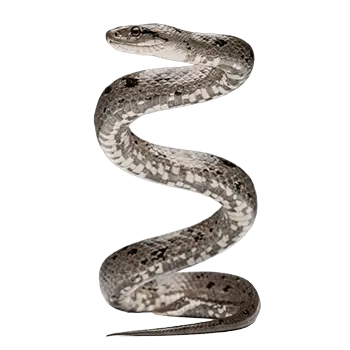

Sexual Maturity & Breeding Readiness

Gray Rat Snakes (Pantherophis spiloides) reach sexual maturity between two and a half and four years of age, with males typically maturing earlier than females. However, physiological maturity alone is not sufficient criteria for breeding — both animals should be in excellent health, at a healthy weight, free of parasites, and of adequate body size before being considered breeding candidates. A minimum length of approximately forty-two inches for females and thirty-six inches for males provides a reasonable baseline, though body condition and overall robustness are more meaningful indicators of readiness than length measurements alone.

Female readiness is the more critical variable in the breeding equation, as the energetic demands of egg production, gravidity, and oviposition are substantial. A female that is bred before she has achieved sufficient body mass may produce a small clutch of poorly developed eggs, suffer from egg binding or post-laying depletion, or divert so many resources to reproduction that her own health is permanently compromised. Assessing female readiness involves evaluating body condition — the animal should have a gently rounded cross-section with no visible spine and no signs of obesity — and confirming that she has maintained a consistent feeding pattern and healthy weight trajectory over the preceding year.

Male readiness is somewhat less demanding to assess, as the physiological investment in sperm production is far smaller than the female's investment in ova and egg formation. A healthy male that has reached adequate size, is feeding reliably, and shows no signs of illness or chronic stress is generally a suitable breeding candidate. Males approaching breeding condition often display increased restlessness and activity during the spring months, pacing their enclosure walls and tongue-flicking with heightened intensity, which are behavioral indicators of hormonal readiness.

Genetic considerations should factor into any responsible breeding program. Gray Rat Snakes occupy a broad geographic range across the eastern and central United States, and populations from different regions may exhibit subtle differences in coloration, scalation, and size. Breeding animals of known geographic origin and avoiding crosses between widely separated populations helps preserve the natural genetic integrity of the species in captivity. Keepers should also maintain records of lineage to prevent inbreeding depression in their colonies, as repeated pairing of closely related individuals can produce offspring with reduced vigor, developmental abnormalities, and impaired immune function.

Brumation & Seasonal Cycling

Brumation — the reptilian analog of mammalian hibernation — is the hormonal trigger that initiates the reproductive cycle in Gray Rat Snakes, and a properly executed brumation period is considered essential for consistent breeding success. In the wild, these snakes experience several months of cooler temperatures during the winter, during which metabolic activity drops dramatically, feeding ceases entirely, and the gonads undergo the final stages of maturation that prepare the animals for spring mating. Captive breeding programs replicate this seasonal cycle through a controlled temperature reduction that mimics the natural environmental shift.

Preparation for brumation begins in late autumn, typically during October. Both prospective breeding animals should be in peak body condition and should have their last meal approximately two to three weeks before the temperature reduction begins. This fasting period allows the digestive tract to empty completely, which is critical because food remaining in the stomach or intestines during the cooled period will not be digested properly and can rot internally, causing fatal bacterial infections. During the fasting period, maintain normal temperatures and continue providing water, allowing the snake to defecate any residual waste before the cool-down begins.

The brumation temperature should be reduced gradually over the course of one to two weeks to a target range of 50 to 58 degrees Fahrenheit. The transition should not be abrupt, as sudden temperature drops can shock the animal's system. Many breeders accomplish this by moving the animals to an unheated room, basement, or garage where temperatures naturally fall within the desired range during winter months. The brumation enclosure should be simple — a secure, ventilated container with a hide and a small water dish — and placed in a location that is consistently cool, dark, and free from disturbance. Water must remain available throughout brumation, as snakes will drink periodically even while dormant.

The duration of brumation for Gray Rat Snakes should be approximately eight to twelve weeks, typically from mid-November through late January or early February. During this period, the keeper should check the animals weekly to ensure they are healthy, hydrated, and undisturbed, but handling and interaction should be kept to an absolute minimum. At the end of the brumation period, temperatures should be raised gradually over seven to ten days back to normal operating range. Once normal temperatures are restored, offer water immediately and allow several days of warming before presenting the first post-brumation meal. Males will typically resume feeding quickly, while females may take longer to regain their appetite, particularly as follicular development begins to accelerate.

Introduction & Mating

Following the post-brumation warm-up period and the resumption of feeding, breeding introductions can begin, typically in March or April. The female should have completed at least one post-brumation shed before being introduced to the male, as this shed event is often associated with the release of pheromones that signal reproductive receptivity. Males that detect these pheromonal cues will exhibit pronounced courtship behavior, including rapid tongue-flicking, chin-rubbing along the female's dorsal surface, and aligning their body alongside hers in an effort to position for copulation.

The standard protocol for colubrid breeding introductions is to place the male into the female's enclosure rather than the reverse. This approach places the female in her established, familiar territory where she is most comfortable and reduces the likelihood of stress-related defensive behavior. The keeper should observe the initial introduction closely, watching for signs of aggression that extend beyond normal courtship intensity. While some vigorous body contact and restless movement are normal components of rat snake courtship, sustained biting, prolonged combat postures, or either animal fleeing repeatedly indicate incompatibility, and the pair should be separated and re-introduced after a waiting period of several days.

Successful copulation in Gray Rat Snakes can last from thirty minutes to several hours and is characterized by the male wrapping his tail around the female's posterior body and everting a hemipenis into the female's cloaca. The animals will typically remain relatively still during copulation, sometimes partially intertwined. The keeper should not disturb the pair during mating, as interruption can cause premature disengagement and reduce the likelihood of successful sperm transfer. Once the animals separate naturally, the male should be returned to his own enclosure.

Multiple mating sessions over a period of two to four weeks increase the probability of fertile egg production. Many breeders introduce the male to the female two to three times per week during the breeding window, allowing the animals at least one full day apart between introductions. Confirming that copulation has occurred during each session is not always possible, as matings can take place during nighttime hours if the male is left with the female overnight. However, overnight pairings carry a slightly higher risk of unobserved injury and should be used judiciously, with both animals inspected carefully the following morning for bite wounds or other signs of conflict.

Gravid Female Care

Once mating has occurred, the female Gray Rat Snake enters a period of follicular development and ovulation that precedes egg deposition by approximately four to six weeks. During this time, the female's body undergoes dramatic physiological changes as the developing ova enlarge, become calcified within their shells, and descend through the oviducts toward eventual deposition. The keeper's primary responsibilities during this period are to support the female's elevated nutritional and environmental needs while minimizing stress and disturbance.

Appetite in gravid females typically increases during the early post-mating weeks as the body marshals resources for egg production. Offer appropriately sized meals every five to seven days during this period, as the female will often accept food voraciously in preparation for the extended fast that accompanies late-stage gravidity and oviposition. As the developing eggs enlarge and occupy increasing space within the body cavity, appetite usually declines and eventually ceases entirely during the final two to three weeks before laying. This natural fasting period should be respected rather than overridden, as the physical compression of the stomach by adjacent eggs makes digestion difficult and increases regurgitation risk.

The gravid female's body shape will change visibly as eggs develop, with the posterior two-thirds of the body becoming noticeably distended and lumpy as individual eggs become palpable through the body wall. The female may spend extended periods in the basking zone as elevated temperatures support egg development, and she may become restless and exploratory in the days immediately preceding oviposition as she searches for an appropriate deposition site. Providing a lay box — a covered container filled with slightly damp sphagnum moss or vermiculite — gives the female a dark, humid microenvironment that mimics the natural nest sites she would seek in the wild.

Handling should be reduced to an absolute minimum during gravidity and eliminated entirely during the final two weeks before expected egg deposition. The physical stress of being handled, combined with the risk of egg displacement or rupture from improper support, makes routine handling an unjustifiable risk during this period. Any necessary enclosure maintenance should be conducted as quietly and quickly as possible, with care taken not to disturb the female's chosen resting position.

A pre-lay shed, occurring approximately ten to fourteen days before egg deposition, is a reliable indicator that oviposition is imminent. This shed event is triggered by hormonal changes associated with the final stages of egg maturation and serves as a useful timeline marker for the keeper. Once the pre-lay shed has occurred, the lay box should be in place, the enclosure should be kept quiet and undisturbed, and the keeper should check for eggs daily by briefly and gently lifting the lay box lid.

Egg Incubation & Management

Gray Rat Snake clutches typically contain eight to twenty eggs, with clutch size influenced by the female's body size, age, nutritional status, and individual genetic factors. The eggs are white, leathery-shelled, and slightly adhesive when freshly deposited, often sticking to each other in a cluster. Eggs that are adhered to one another should not be forcibly separated, as tearing the shells risks introducing bacteria and destroying the developing embryos. Individual eggs that are not adhered can be gently repositioned in the incubation medium without rotation, maintaining the same orientation in which they were deposited to avoid disrupting the embryo's position relative to the air space.

The incubation medium should consist of vermiculite or perlite mixed with water at an approximate ratio of one part water to one part medium by weight. This ratio produces a substrate that is evenly moist but not waterlogged — when squeezed firmly in the hand, it should hold its shape without dripping free water. The eggs should be half-buried in the incubation medium within a covered container that has several small ventilation holes to allow gas exchange while retaining humidity. The container is then placed in an incubator set to a constant temperature of 80 to 84 degrees Fahrenheit.

Incubation duration for Gray Rat Snakes ranges from approximately fifty-five to seventy-five days, with temperature being the primary factor influencing development speed. Higher temperatures within the safe range produce shorter incubation periods, while cooler temperatures extend development. Temperatures above 88 degrees Fahrenheit risk developmental abnormalities and embryonic death, while temperatures below 75 degrees slow development dramatically and increase the risk of non-viable eggs. A reliable, thermostatically controlled incubator is essential equipment for anyone breeding this species, as ambient room temperatures are too variable and unpredictable to provide the stable conditions required for successful incubation.

During incubation, the eggs should be inspected visually every few days without handling them directly. Fertile, developing eggs will gradually swell in size and may develop visible vein networks that can be seen when a small flashlight is held against the shell in a darkened room, a technique known as candling. Infertile or non-viable eggs will typically fail to swell, may develop discoloration or mold, and will often collapse inward as they desiccate. These eggs should be removed from the incubation container to prevent mold from spreading to adjacent fertile eggs, taking care not to disturb the viable eggs in the process.

As hatching approaches, fertile eggs may dimple or sweat slightly as the embryos inside reach full development and the eggshell begins to soften. The first sign of hatching is a small slit in the shell made by the hatchling's egg tooth. Once pipping begins, the keeper should resist any urge to assist, as the hatchling may take twelve to thirty-six hours to fully emerge while it absorbs residual yolk through the umbilical connection. Premature extraction can cause hemorrhage, yolk sac infection, and failure to thrive in the resulting hatchling.

Post-Breeding Recovery

The post-breeding recovery period is a critical phase for both male and female Gray Rat Snakes, though the female's recovery demands are substantially greater due to the enormous physiological investment of egg production and oviposition. A female that has just deposited a clutch has expended a significant proportion of her body's fat, calcium, protein, and hydration reserves, and she may weigh thirty to forty percent less than her pre-breeding weight. Restoring this deficit safely and completely is essential before the female is considered for another breeding season.

Immediately after egg deposition, the female should be offered water and a warm, clean enclosure with access to a basking zone. Most females will drink heavily in the hours following oviposition and may soak in their water dish for extended periods as they rehydrate. Food should be offered within three to five days of laying, starting with a prey item slightly smaller than the female's normal adult meal to ease the digestive system back into operation after the extended fast of late gravidity. Appetite typically returns rapidly, and the female may feed voraciously over the following weeks as her body drives her to replenish depleted reserves.

Feeding frequency during the recovery period can be temporarily increased to every five to seven days, with prey items gradually returning to normal adult size as the female demonstrates consistent appetite and digestive function. This accelerated feeding schedule should be maintained for approximately six to eight weeks or until the female has regained her pre-breeding body weight, whichever comes first. Once baseline weight and body condition are restored, the feeding schedule should revert to the standard adult interval of ten to fourteen days to prevent overshooting into obesity.

Males generally require less intensive post-breeding recovery, as their physiological investment in reproduction is limited primarily to the metabolic costs of courtship activity and potential fasting during the breeding season. Males that fasted during the mating period should be offered food promptly after breeding activities conclude and will typically resume their normal feeding schedule without complication. Any bite wounds sustained during mating encounters should be monitored for signs of infection and treated with a veterinarian-recommended topical antiseptic if they show redness, swelling, or discharge.

Female Gray Rat Snakes should not be bred in consecutive years without careful assessment of their recovery status. The cumulative toll of repeated reproductive cycles without adequate recovery time leads to progressive depletion of calcium reserves, chronic weight loss, reduced clutch quality, and shortened lifespan. A responsible breeding schedule allows each female at least one full year of recovery between reproductive events, and many experienced breeders breed their females only every other year or every third year to ensure long-term health and sustained reproductive output across the animal's lifetime.

Always consult a qualified professional before making any health-related decisions. This content is provided for informational reference only and should not replace professional guidance specific to your animal.