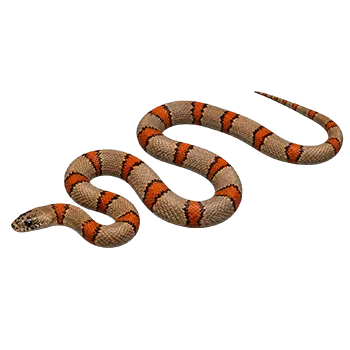

Recognizing the signs that a Gray-Banded Kingsnake (Lampropeltis alterna) is approaching the end of its life is one of the most difficult responsibilities a keeper faces. Unlike acute illness or injury, which often presents with dramatic and unmistakable symptoms, the decline associated with terminal aging or progressive disease tends to be gradual and subtle, unfolding over weeks or months rather than days. The keeper's ability to distinguish between manageable age-related changes and irreversible terminal decline depends heavily on the quality and completeness of the long-term health records maintained throughout the snake's life.
The most reliable indicator that a Gray-Banded Kingsnake has entered a terminal decline is sustained, progressive weight loss that continues despite adequate food offerings and optimal environmental conditions. When a snake consistently loses weight over a period of three or more months while being offered appropriate prey at appropriate intervals in a properly heated and humidified enclosure, the most likely explanation is that the animal's metabolic processes are failing at a fundamental level. This type of wasting is distinct from the voluntary seasonal fasting observed in healthy adults and from the reduced appetite associated with normal senescence, both of which stabilize or reverse over time rather than progressing inexorably.
Other indicators of terminal decline include a progressive loss of muscle tone that leaves the snake feeling limp and weak during handling, an inability to right itself promptly when placed on its back, persistent regurgitation of even small prey items, chronic retained shed that does not resolve with environmental humidity adjustments, and a marked decrease in tongue-flicking behavior, which signals diminished environmental awareness. Some terminally declining individuals develop a stargazing posture — holding the head and anterior body elevated at an abnormal angle — which can indicate neurological deterioration. Any combination of these signs persisting over several weeks warrants a candid veterinary assessment of the animal's prognosis.
Keepers should approach this assessment with clear-eyed compassion rather than denial. The instinct to interpret ambiguous signs in the most optimistic light is natural and understandable, but it can delay recognition of genuine suffering and prolong a decline that the animal cannot reverse. An honest evaluation of the snake's trajectory, ideally supported by objective data from weight records and veterinary examinations, provides the foundation for humane decision-making in the difficult period that follows.