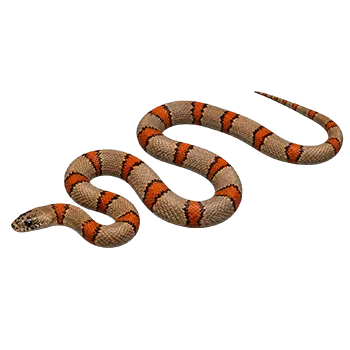

Successful breeding of Gray-Banded Kingsnakes (Lampropeltis alterna) begins long before any animals are introduced to one another. Both males and females should be in excellent body condition, free of parasites, and have a documented history of consistent feeding and clean health examinations before they are considered candidates for a breeding program. Males typically reach sexual maturity between eighteen months and two years of age, though most experienced breeders recommend waiting until males are at least two years old and weigh a minimum of one hundred grams before their first breeding attempt. Females mature slightly later and should not be bred until they are at least three years old and weigh a minimum of one hundred fifty grams, as breeding an undersized or immature female carries significant risks including egg binding, reproductive exhaustion, and long-term health damage.
A pre-breeding veterinary examination is strongly recommended for both the male and the female. This examination should include a physical assessment, fecal parasite screening, and evaluation of the female's body condition score to confirm she has sufficient fat reserves to support egg production without compromising her own health. Females that are underweight, recovering from illness, or have a history of reproductive complications should be rested for a full season before any breeding attempt is made. The decision to breed should always prioritize the long-term health of the individual animals over the desire to produce offspring.
The pre-conditioning phase involves building both animals to peak body condition through consistent, slightly increased feeding during the late summer and early autumn months before the brumation period begins. Females in particular should be offered meals at slightly shortened intervals — every seven to eight days rather than every ten to fourteen — during the eight to ten weeks preceding brumation to ensure adequate fat deposition. However, feeding must cease entirely at least two weeks before temperatures are reduced for brumation, allowing the digestive tract to clear completely. Undigested food in the gut during cooling can ferment and cause fatal internal infections.
Genetic planning is an important consideration for any responsible breeding program. Gray-Banded Kingsnakes exhibit remarkable natural variation in color and pattern across their range, with specimens from different localities displaying distinct color morphs ranging from pale gray with narrow orange bands to deep charcoal with broad crimson saddles. Breeders should maintain accurate records of the geographic origin or lineage of their breeding stock and avoid pairing closely related individuals, as inbreeding depression can lead to reduced clutch viability, developmental abnormalities, and weakened immune function in offspring.