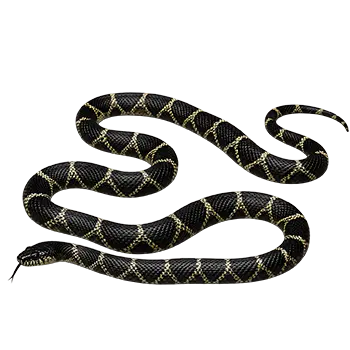

Identifying the transition from manageable geriatric decline to irreversible terminal decline in a Florida Kingsnake (Lampropeltis getula floridana) requires careful observation and an understanding of the distinction between conditions that respond to intervention and those that do not. Terminal decline is characterized by the progressive failure of one or more organ systems despite appropriate veterinary treatment and optimized husbandry, resulting in a trajectory of deterioration that cannot be halted or reversed. While the senior stage involves a gradual slowing of biological processes, the end-of-life stage is defined by the point at which that decline accelerates beyond the body's capacity for compensation.
The most common indicators of terminal decline in Florida Kingsnakes include sustained and irreversible weight loss despite the availability of appropriate food, progressive muscle wasting that leaves the vertebral column and ribs prominently visible beneath the skin, and a complete cessation of feeding that persists for months rather than weeks. Unlike the temporary appetite fluctuations associated with seasonal cycling or shedding, terminal anorexia does not resolve with environmental adjustments, prey variety changes, or scent-assisted feeding techniques. The animal simply loses the physiological capacity or neurological drive to consume and process food.
Neurological signs may emerge during terminal decline, particularly in animals suffering from advanced renal disease, hepatic failure, or metastatic neoplasia. These signs can include head tremors, stargazing, which is the sustained elevation of the head and anterior body in an upward-directed posture, loss of righting reflex, inability to coordinate tongue-flicking, disorientation within a familiar enclosure, and uncharacteristic circling or listing to one side during locomotion. The emergence of neurological symptoms in a geriatric kingsnake generally carries a grave prognosis, as the underlying causes are rarely treatable at this advanced stage.
Respiratory function may deteriorate in terminal animals, manifesting as increasingly labored breathing, audible wheezing or gurgling sounds during respiration, and open-mouth breathing that becomes continuous rather than episodic. In some cases, mucus accumulates in the oral cavity and trachea faster than the weakened animal can clear it, leading to visible bubbling at the nares or mouth. These respiratory changes may result from primary respiratory disease, secondary pneumonia in an immunocompromised animal, or space-occupying masses in the coelomic cavity that compress the lungs and air sacs.