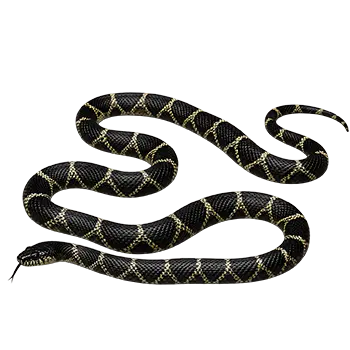

Successful breeding of Florida Kingsnakes (Lampropeltis getula floridana) begins months before any introduction between male and female, with a thorough evaluation of both prospective parents' health, body condition, age, and reproductive readiness. Both animals should be at least two years of age and in robust body condition, meaning they are well-muscled with adequate fat reserves but not obese. Females should ideally weigh a minimum of three hundred grams before being considered for breeding, as the physical demands of egg production and oviposition draw heavily on the female's energy and calcium reserves. Underweight or nutritionally compromised females are at elevated risk of egg binding, follicular stasis, and prolonged post-laying recovery.
A pre-breeding veterinary examination for both male and female is a worthwhile investment that can prevent costly and heartbreaking complications. The examination should include assessment of body condition, evaluation of the coelomic cavity by palpation to rule out masses, infection, or retained reproductive material from prior seasons, and a fecal analysis to ensure neither animal is carrying a significant parasite burden. Parasite treatment should be completed well in advance of brumation, as the immunosuppressive effects of cooling make the animal more vulnerable to parasitic proliferation, and most antiparasitic medications are less effective at reduced body temperatures.
The conditioning phase involves building both animals' nutritional reserves during the late summer and early autumn months, approximately August through October, by maintaining a consistent feeding schedule of appropriately sized prey every seven to ten days. Females in particular should be fed generously during this period, as the fat and calcium reserves accumulated before brumation directly support vitellogenesis, the process of yolk deposition into developing follicles, during the spring. Males require less intensive conditioning but should enter brumation in strong body condition to sustain them through several weeks of fasting and, subsequently, the energetically demanding breeding season during which they may refuse food for extended periods.
Genetic considerations should guide pairing decisions for responsible breeders. Florida Kingsnakes exhibit a range of naturally occurring color and pattern variation, and selective breeding for extreme morphological traits without regard for genetic diversity and lineage integrity can introduce health problems associated with inbreeding depression, including reduced hatch rates, increased incidence of developmental abnormalities, and compromised immune function in offspring. Maintaining detailed lineage records and avoiding pairings between closely related individuals preserves the genetic health of captive populations and produces hardier, more vigorous hatchlings.