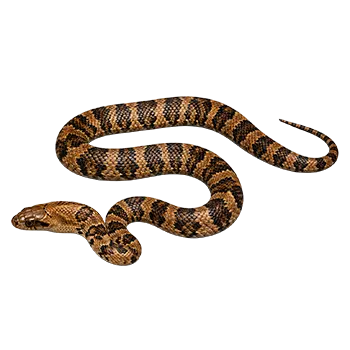

The juvenile phase of the False Water Cobra (Hydrodynastes gigas) begins at approximately three to four months of age and extends until the snake reaches sexual maturity, which typically occurs between eighteen and twenty-four months depending on sex, feeding regimen, and overall husbandry quality. During this period, growth is rapid and sustained. A hatchling that entered the juvenile stage at roughly two feet in length can reach four to five feet by the end of its first year, with males generally achieving slightly greater length and bulk than females of the same age, though the size difference between sexes is modest compared to many other colubrid and boid species.
The frequency and quality of shed cycles serve as a reliable barometer of overall health and growth rate during the juvenile period. A fast-growing juvenile may shed every three to five weeks, and each shed should ideally come off in a single, intact piece. The characteristic color pattern of the species — olive to dark brown dorsal coloration with darker banding and a lighter ventral surface marked with dark blotches — becomes increasingly vivid and well-defined as the juvenile matures. Any persistent dullness, patchy coloration, or retained shed fragments should prompt an immediate review of humidity levels, hydration access, and nutritional adequacy.
Musculoskeletal development accelerates markedly during the juvenile months. The snake's body transitions from the somewhat slender, delicate proportions of a hatchling into the heavier, more muscular build that characterizes the adult form. The neck and anterior body begin to thicken noticeably, and the cervical ribs that enable the species' dramatic hooding display become more prominent and the hood itself becomes visually more impressive. This muscular maturation directly correlates with increased strength, which has practical implications for enclosure security and handling safety that keepers must anticipate.
Body condition assessment should become a routine practice during the juvenile phase. A healthy juvenile False Water Cobra should have a rounded, slightly triangular cross-section when viewed from the head end, with no visible spine ridge or pronounced rib outlines. The tail should taper smoothly without any abrupt thinning that would suggest dehydration or underfeeding. Conversely, excessive fat deposits visible as bulging along the sides of the body or a persistently round cross-section with no muscular definition indicate overfeeding. Maintaining a moderate body condition supports healthy organ development and avoids the metabolic complications associated with obesity in fast-growing colubrids.