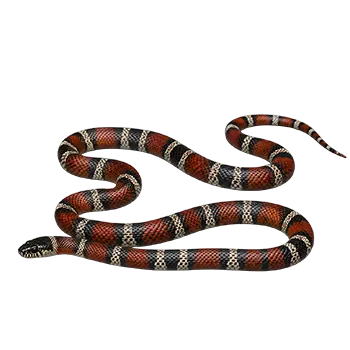

The transition from manageable geriatric decline to terminal deterioration in an Eastern Milk Snake (Lampropeltis triangulum triangulum) is often gradual and difficult to pinpoint to a single event or date. In many cases, the keeper realizes retrospectively that the animal has been declining for weeks or months before the severity of the situation becomes undeniable. Understanding the constellation of signs that characterize irreversible decline — as distinct from the treatable conditions of old age — is essential for making timely, compassionate decisions about the animal's care trajectory.
Persistent, progressive weight loss despite adequate food availability and appropriate environmental conditions is the most common hallmark of terminal decline. While gradual weight loss is a feature of normal aging, the weight loss associated with terminal conditions — advanced neoplasia, end-stage renal disease, hepatic failure, or systemic infection — is typically more rapid, more severe, and unresponsive to adjustments in feeding strategy. A snake that has lost more than twenty percent of its peak body weight, that refuses food for four or more consecutive offerings over a period of two or more months, and that shows no improvement despite veterinary intervention is very likely in an irreversible decline.
Neurological changes can accompany terminal decline and are particularly distressing to witness. Disorientation, loss of righting reflex (the ability to turn itself over when placed on its back), circling behavior, stargazing (holding the head elevated and directed upward in an abnormal posture), and loss of tongue-flicking response all indicate compromise of the central nervous system. These signs can result from neoplasia affecting the brain or spinal cord, severe metabolic derangement from organ failure, or advanced systemic infection. Neurological decline in snakes is rarely reversible regardless of the underlying cause, and its presence significantly impacts quality-of-life assessments.
Respiratory failure is another common terminal pathway. End-stage respiratory disease presents as labored, open-mouth breathing, audible gurgling or rattling with each breath, accumulation of thick mucus or froth in the oral cavity, and cyanotic (bluish) discoloration of the oral mucosa. A snake in respiratory failure is in acute distress and requires immediate veterinary assessment to determine whether the condition is treatable or whether euthanasia is the most humane course of action. In many cases of advanced pneumonia or pulmonary neoplasia, the damage to the lung tissue is so extensive that recovery is not possible even with aggressive antibiotic therapy.