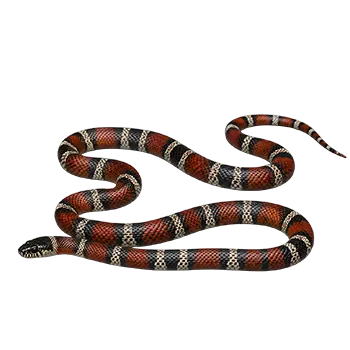

Eastern Milk Snakes (Lampropeltis triangulum triangulum) typically reach sexual maturity between eighteen and thirty months of age in captivity, though maturity is better assessed by size and body condition than by chronological age alone. Males generally become reproductively viable earlier than females, often showing interest in mating as early as eighteen months, while females should not be bred until they have reached a minimum length of twenty-four inches and a body weight of at least 150 grams. Breeding a female that has not reached adequate size and body reserves risks egg binding (dystocia), nutritional depletion, and long-term reproductive damage that can compromise the animal's health for years afterward.
Pre-breeding health assessment is a non-negotiable step in responsible reproductive management. Both the male and female should receive a veterinary examination three to four months before the planned brumation period. This examination should include a thorough physical assessment, a fecal flotation test to confirm the absence of internal parasites, and an evaluation of body condition score. Any animal that is underweight, carrying a parasite burden, recovering from illness, or displaying abnormal behavior should be excluded from that season's breeding program. The physiological demands of brumation, mating, and — for females — egg production and deposition are substantial, and only animals in peak health should be subjected to them.
The months leading up to brumation should be used to build the breeding candidates' body reserves through optimized feeding. Both males and females should be offered meals at the upper end of their normal feeding frequency — every seven to ten days — with prey items sized to promote gradual weight gain without inducing obesity. The goal is to establish a reserve of body fat that will sustain the animal through the two to three months of fasting that brumation requires. Females in particular need robust fat reserves to support vitellogenesis — the process of yolk deposition into developing follicles — which begins during brumation and continues through the post-emergence mating period.
Genetic management is an important consideration for any breeding program, even on a small scale. Breeding closely related individuals (inbreeding) can result in reduced clutch viability, developmental abnormalities, and decreased vigor in offspring. Keepers who maintain multiple breeding pairs should track lineage carefully and avoid pairing siblings, parents with offspring, or half-siblings. When introducing new genetics through the acquisition of unrelated breeding stock, a quarantine period of at least sixty days in a separate enclosure is essential to prevent the introduction of parasites, mites, or infectious disease into the established collection.