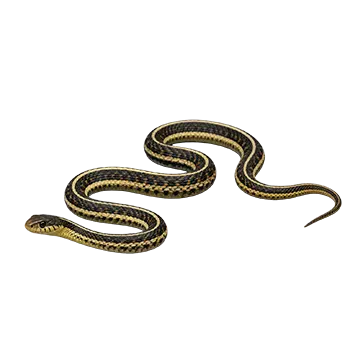

Distinguishing between the manageable decline of normal aging and the irreversible deterioration that signals terminal illness or end-of-life progression in an Eastern Garter Snake (Thamnophis sirtalis sirtalis) requires both clinical knowledge and an intimate familiarity with the individual animal. Snakes are stoic by evolutionary design — displaying vulnerability in the wild invites predation, and this instinct to mask distress persists fully in captive animals. A garter snake that appears outwardly calm and immobile may in fact be experiencing significant pain or organ failure, and the absence of obvious distress signals should never be interpreted as the absence of suffering.
The hallmarks of terminal decline in Eastern Garter Snakes include a sustained and progressive loss of appetite that does not respond to changes in prey type, feeding technique, or environmental adjustment. While temporary appetite loss is common during pre-shed periods, seasonal transitions, and brumation entry, a terminally declining animal will refuse food across all seasons and all prey offerings over a period of weeks to months. This anorexia is accompanied by progressive weight loss that becomes visibly apparent as the spine, ribs, and pelvic bones become increasingly prominent beneath the skin, and the muscles along the dorsal surface waste to the point where the body cross-section appears concave rather than rounded.
Neurological signs are among the most definitive indicators that an Eastern Garter Snake has entered an irreversible decline. These signs may include loss of righting reflex — the inability to turn over when placed on its back — uncoordinated or circular locomotion, stargazing posture in which the head is held rigidly upward and the snake appears to stare at the ceiling, and tremors or spasms of the body musculature. Neurological decline in geriatric garter snakes may result from progressive organ failure, particularly hepatic or renal disease that allows metabolic toxins to accumulate in the bloodstream and affect brain function, or from primary neurological disease such as inclusion body disease or paramyxovirus infection.
Respiratory compromise in a terminally declining snake manifests as labored breathing visible as exaggerated expansion and contraction of the rib cage, open-mouth breathing, audible wheezing or gurgling sounds, and mucus accumulation around the nares or within the oral cavity. While respiratory infections in otherwise healthy animals are treatable with appropriate antibiotics, respiratory failure in a snake that is already compromised by age, organ disease, or systemic debilitation carries a poor prognosis. A veterinary consultation is essential to determine whether the respiratory symptoms represent a treatable condition or a terminal complication that is beyond meaningful intervention.