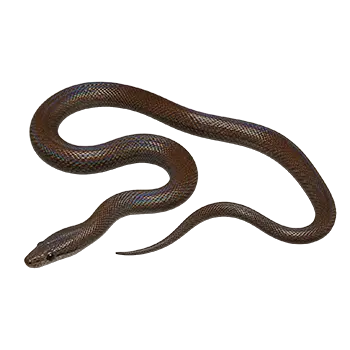

The transition from manageable senescence to terminal decline in a Colombian Rainbow Boa (Epicrates maurus) is not always marked by a single dramatic event. More often it presents as an accelerating pattern of deterioration across multiple body systems that no longer responds to husbandry adjustments or veterinary intervention. A snake that has been gradually slowing down over a period of years may reach a point where the cumulative burden of organ aging, immune decline, and chronic disease overwhelms its remaining physiological reserves. Recognizing this transition requires the keeper to be honest about the difference between a senior animal that is aging gracefully and one that is suffering from irreversible decline.
Persistent anorexia — the complete refusal of food over a period of two months or more in an animal that has previously been a reliable feeder — is one of the most common indicators that the body's systems are failing. While seasonal fasting and pre-shed appetite reduction are normal behaviors throughout a snake's life, extended food refusal in a geriatric animal that is also losing weight, muscle mass, and energy is a qualitatively different phenomenon. Diagnostic workup by a reptile veterinarian can help determine whether the anorexia has a treatable cause, such as an oral infection or intestinal obstruction, or whether it reflects a systemic shutdown that is beyond therapeutic reach.
Progressive loss of coordination and motor control is another hallmark of terminal decline. A snake that can no longer navigate its enclosure without difficulty, that fails to right itself when placed on its side, or that exhibits repetitive, purposeless head movements may be experiencing neurological deterioration from organ failure, sepsis, or advanced neoplasia. These signs are particularly distressing to observe in an animal that has been a familiar companion for twenty or more years, but they carry important diagnostic and prognostic information that should be shared with the treating veterinarian.
Respiratory compromise in the terminal phase often presents differently than the acute respiratory infections that may have been treated successfully earlier in the animal's life. Rather than the sudden onset of wheezing and nasal discharge that characterizes a bacterial pneumonia, end-stage respiratory failure tends to develop insidiously, with gradually increasing respiratory effort, prolonged pauses between breaths, and a subtle but persistent open-mouth posture. By the time these signs are overtly visible, the degree of lung involvement is typically extensive, and the animal's prognosis even with aggressive treatment is poor.