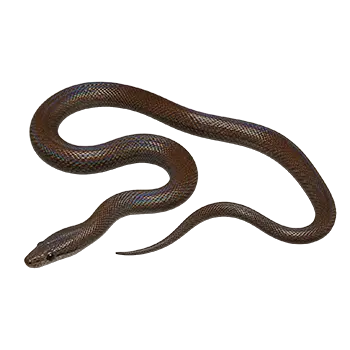

Successful captive breeding of Colombian Rainbow Boas (Epicrates maurus) begins well before any animals are paired. Both males and females must meet specific criteria for age, size, and body condition before they are candidates for reproduction. Males generally reach sexual maturity at approximately eighteen to twenty-four months of age, while females should not be bred until they are at least three years old and have attained a body weight of at least 800 to 1,000 grams, depending on the individual's overall frame size. Breeding a female that is too young or too light increases the risk of complications during gestation and delivery and can permanently stunt the animal's growth.
Body condition assessment prior to breeding is non-negotiable. Both the male and the female should be in robust health with well-defined musculature and adequate fat reserves. The female in particular will draw heavily on stored energy during the four-to-five-month gestation period, during which she may reduce or completely cease feeding. A female that enters the breeding season underweight or with marginal fat reserves is at significant risk of post-partum metabolic collapse, which can manifest as extreme weight loss, immunosuppression, and slow recovery that may take an entire year or more. Building the female into optimal body condition through consistent feeding in the months preceding the cooling period is an essential preparatory step.
Pre-breeding health screening should include a thorough veterinary examination with fecal parasite analysis for both prospective breeders. Parasitic infections that are subclinical in a non-reproducing adult can become clinically significant under the metabolic stress of breeding and gestation. Treating any detected parasites well before the onset of cooling ensures that both animals enter the breeding season in peak health. Additionally, any animal with a history of respiratory infection, chronic regurgitation, or unexplained weight loss within the preceding twelve months should not be bred until the underlying issue has been fully resolved.
Genetic considerations are another critical component of responsible breeding preparation. Keepers should maintain accurate lineage records for all breeding stock to avoid inbreeding depression, which manifests as reduced fertility, smaller litter sizes, increased developmental abnormalities, and diminished immune competence in offspring. If lineage information is unavailable for a prospective breeder, it is prudent to pair it only with an animal of clearly independent origin — ideally one sourced from a different breeder, geographic import line, or documented captive bloodline.