
Recognizing Terminal Decline

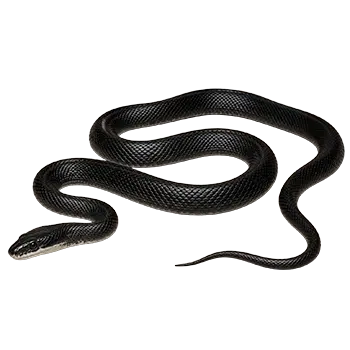
Terminal decline in a Black Rat Snake (Pantherophis obsoletus) is distinguished from the gradual, manageable changes of normal aging by its progressive and irreversible nature. While a healthy senior snake may exhibit reduced activity and less frequent feeding, a snake in terminal decline demonstrates a qualitative shift in which multiple body systems deteriorate simultaneously and the animal's overall trajectory moves steadily downward despite appropriate husbandry and veterinary intervention. Recognizing this distinction is one of the most difficult and important skills a keeper of long-lived reptiles must develop.

The hallmark signs of terminal decline include complete and sustained cessation of voluntary feeding over a period exceeding two months, progressive and unrelenting weight loss that continues despite environmental optimization and veterinary treatment of any identified underlying conditions, and a visible reduction in muscle tone that leaves the snake appearing limp or deflated rather than merely resting. The animal's posture may change, with the body lying in unnatural, flattened positions rather than the organized coils of a healthy resting snake. Tongue-flicking, the snake's primary means of environmental assessment, may become infrequent or absent entirely, indicating a withdrawal from sensory engagement with the surroundings.

Respiratory changes are often among the later signs of terminal decline and may include labored breathing visible as pronounced lateral expansion of the body wall with each breath, audible respiratory sounds such as gurgling or crackling, and open-mouth breathing that persists beyond brief exertion. In some cases, a mucoid or blood-tinged discharge may be visible at the nares or within the oral cavity. These respiratory signs may indicate pneumonia, systemic infection, or organ failure, and their presence in the context of other indicators of decline typically signals that the animal's condition is approaching a point where comfort care and end-of-life planning become the primary focus.

Neurological signs, while less common, are particularly distressing to observe and may include disoriented movement, a persistent head tilt, inability to right itself when placed on its dorsum, stargazing behavior in which the snake extends its neck vertically and appears unable to lower its head, and tremors or spasms of the body musculature. These signs can indicate central nervous system infection, organ-related toxicity such as hepatic encephalopathy, or metastatic neoplasia affecting the brain. Neurological decline in reptiles is rarely reversible, and the appearance of these symptoms in an already debilitated animal typically indicates that the end of life is near.

Palliative & Comfort Care

Palliative care for a terminally declining Black Rat Snake focuses on maximizing the animal's physical comfort and minimizing sources of stress and pain during its remaining time. The guiding principle is the same one that informs palliative medicine in any species: when cure is no longer possible, care shifts from aggressive treatment to the maintenance of quality of life. For a snake, this translates into environmental modifications that reduce the physical demands placed on the animal and ensure that warmth, hydration, and security are effortlessly accessible.

The enclosure should be simplified to reduce the animal's need to navigate complex terrain. All elevated climbing structures should be removed or lowered to ground level to eliminate the risk of falls. Hides should be positioned directly adjacent to the heat source so that the snake can thermoregulate without traversing the length of the enclosure. The water dish should be placed within easy reach of the snake's preferred resting location, and if the animal is too debilitated to reach the water on its own, gentle misting of the snake's body and the area immediately surrounding it can provide hydration through dermal absorption and stimulate drinking behavior.

Substrate should be switched to soft, clean material such as paper towels or unbleached paper that can be changed frequently with minimal disturbance to the animal. A dying snake that soils its substrate is unable to move away from the contamination as readily as a healthy animal, and prolonged contact with fecal material or urates can cause secondary skin infections that add unnecessary discomfort to an already compromised animal. The enclosure temperature should be maintained at the higher end of the species' preferred range, around 85 to 88 degrees on the warm side, as a warmer environment supports what remains of the snake's immune and metabolic function.

Handling should be reduced to the absolute minimum necessary for enclosure maintenance and any required veterinary treatments. A snake in terminal decline derives no benefit from socialization handling and may experience the stress of being moved and exposed as a significant additional burden. If the snake must be moved for cleaning or medical purposes, support its entire body on a soft towel or cloth and move slowly and deliberately to minimize the startle response. The goal during this phase is to allow the animal to rest quietly in a warm, secure, clean environment with minimal disturbance.

Pain Assessment & Management

Assessing pain in snakes is one of the most challenging aspects of reptile veterinary medicine and husbandry, as snakes lack the facial expressions, vocalizations, and mammalian behavioral cues that humans instinctively interpret as indicators of distress. However, the absence of obvious pain expression does not equate to the absence of pain. Reptiles possess nociceptors, the sensory nerve endings responsible for pain detection, and neuroanatomical pathways that transmit pain signals to the central nervous system. The scientific consensus is that snakes are capable of experiencing pain, and their welfare during terminal decline must be managed accordingly.

Behavioral indicators of pain in snakes, while subtle, can be identified by an attentive keeper who knows the animal's normal behavioral baseline. Persistent muscle tension, in which the body remains rigidly coiled or contracted rather than resting in the relaxed posture typical of the individual, is one of the more reliable indicators. Other signs include flinching or withdrawal when a specific body region is touched, a sustained increase in respiratory rate that is not attributable to environmental temperature, and a guarding posture in which the snake positions its body to protect a painful area from contact. Some snakes in pain exhibit periods of erratic, undirected movement interspersed with periods of abnormal stillness, a pattern that is distinct from both normal rest and normal exploratory activity.

Pharmacological pain management in reptiles has advanced significantly in recent years, and several analgesic protocols are now available for use under veterinary guidance. Meloxicam, a non-steroidal anti-inflammatory drug, is commonly prescribed for mild to moderate pain associated with inflammatory conditions and is administered orally at species-appropriate dosages determined by the attending veterinarian. For more severe pain, opioid analgesics such as tramadol or morphine may be considered, though dosing protocols and efficacy data for these drugs in snakes are still being refined. All pain management decisions should be made in consultation with a veterinarian experienced in reptile medicine, as improper dosing can cause organ toxicity in an already compromised animal.

The decision to initiate pain management is itself a significant moment in the end-of-life process, as it represents an explicit acknowledgment that the animal is experiencing suffering and that the keeper's role has shifted from maintaining health to managing comfort. This transition can be emotionally difficult for keepers who have cared for their Black Rat Snake for many years, but it is also an act of profound responsibility and compassion. A snake whose pain is managed effectively can continue to rest comfortably for days or weeks beyond the point at which uncontrolled pain would have made its existence intolerable, and this extension of comfort is a meaningful contribution to the animal's welfare.

Euthanasia Considerations

Euthanasia, the deliberate ending of an animal's life to prevent further suffering, is a decision that every keeper of a long-lived reptile may eventually face. For keepers of Black Rat Snakes, which can live for twenty years or more in captivity, the decision to euthanize often comes after years or even decades of companionship and is weighted with an emotional significance that should not be minimized or dismissed. At the same time, the ethical obligation to prevent unnecessary suffering must take precedence over the keeper's desire to prolong the animal's life, and the ability to make this decision with clarity and compassion is the final act of responsible stewardship.

The appropriate time to consider euthanasia is when the animal's quality of life has deteriorated to a point where ongoing existence involves more suffering than comfort, and when this decline is irreversible. Specific triggers that should prompt a serious discussion with a veterinarian include complete food refusal for two months or more accompanied by progressive weight loss and muscle wasting, chronic respiratory distress that does not respond to medical treatment, uncontrollable pain as indicated by the behavioral markers described in the preceding section, neurological deterioration that prevents normal function, and the diagnosis of a terminal condition such as advanced neoplasia or end-stage organ failure for which no curative treatment exists.

The method of euthanasia should be performed by a licensed veterinarian using protocols consistent with the guidelines published by the American Veterinary Medical Association. For snakes, the standard protocol involves the administration of an injectable barbiturate overdose, typically sodium pentobarbital, delivered intravenously or intracoelomically. This method produces rapid unconsciousness followed by cardiac and respiratory arrest and is considered the most humane method of euthanasia available for reptiles. The keeper should be aware that reptilian cardiac tissue is more resistant to barbiturate-induced arrest than mammalian tissue, and the heart may continue to beat for a period of minutes to hours after the animal has lost all consciousness and sensation. This physiological artifact does not indicate that the animal is suffering.

Keepers who are uncertain about the timing of euthanasia should seek guidance from their veterinarian, who can provide an objective clinical assessment of the animal's condition and prognosis. Many veterinarians are willing to discuss end-of-life planning in advance of the crisis point, establishing a set of agreed-upon criteria that, when met, will trigger the euthanasia decision. This proactive approach removes some of the emotional burden from the keeper at the moment of crisis and ensures that the decision is guided by rational, pre-established standards rather than made under the duress of acute emotional distress.

Coping with Loss

The loss of a Black Rat Snake that has been in a keeper's care for many years can evoke a grief response that is every bit as genuine and significant as the loss of any other companion animal. The bond between a keeper and a long-term captive snake, while qualitatively different from the bond with a dog or cat, is built on years of daily care, observation, and mutual habituation that create a relationship with real emotional substance. Keepers who find themselves grieving the death of their snake should recognize that their feelings are valid and appropriate, regardless of how others may perceive the significance of a reptile's death.

The grief process following the loss of a reptile can be complicated by a lack of social support from people who do not understand the depth of attachment that develops between a keeper and a long-term captive animal. Comments that minimize the loss, such as suggestions that the animal was just a snake or that the keeper can easily replace it, can be hurtful and isolating. Seeking support from fellow reptile enthusiasts through online communities, herpetological societies, or local reptile clubs can provide a community of people who understand the nature of the bond and can offer empathy without judgment.

Some keepers find comfort in memorializing their animal through photographs, written accounts of the animal's life history, or the preservation of a shed skin or other keepsake. Others prefer to channel their grief into positive action by sharing their knowledge of the species with newer keepers, contributing to conservation efforts for wild populations, or providing foster care for surrendered reptiles. There is no prescribed way to grieve, and each keeper should follow the process that feels most natural and healing for their individual situation.

The decision of whether and when to acquire a new snake after the death of a long-term companion is deeply personal and should not be rushed. Some keepers find that the routine of caring for a new animal provides structure and purpose that aids in the healing process, while others need a period of time without the responsibility of a captive animal before they are ready to begin a new relationship. Either approach is entirely valid. If and when a keeper does choose to acquire a new Black Rat Snake, the experience and knowledge gained from years of caring for the previous animal represent an invaluable foundation that will benefit the new snake from its first day in the keeper's care.

Aftercare & Final Arrangements

Once a Black Rat Snake has died, whether through natural causes or humane euthanasia, the keeper faces a series of practical decisions regarding the disposition of the animal's remains. While these decisions may seem mundane in the context of grief, addressing them promptly and thoughtfully is a final act of respect for the animal and can provide the keeper with a sense of closure. The remains should be handled with care and stored in a cool environment, such as a refrigerator, if final arrangements cannot be made immediately. Freezing the remains is acceptable for longer-term storage but should be communicated to any facility that will ultimately handle the body.

Necropsy, the veterinary equivalent of an autopsy, is a valuable option that keepers should consider, particularly when the cause of death is uncertain or when the animal died from a condition that may have implications for other animals in the keeper's collection. A necropsy performed by a veterinary pathologist can identify the specific disease process or organ failure responsible for death, confirm or rule out infectious causes, and provide information that can inform the care of remaining animals. The cost of a necropsy varies by facility and geographic location but is generally modest compared to the diagnostic value of the information obtained.

Disposition options for the remains include burial, cremation, and in some jurisdictions, composting. Home burial is legal in many areas for animals of this size, and a garden burial site marked with a stone or plant can serve as a quiet memorial. Pet cremation services are widely available and offer both communal cremation and individual cremation with return of ashes, the latter allowing the keeper to retain the remains in an urn or scatter them in a meaningful location. Keepers who choose cremation should confirm that the facility they select has experience with reptile remains, as the low body mass and high bone-to-tissue ratio of a snake produce a different cremation result than a mammal of comparable weight.

The deceased animal's enclosure and all associated equipment should be thoroughly disinfected before being used to house another animal, regardless of the cause of death. A ten percent bleach solution applied to all non-porous surfaces with a contact time of at least ten minutes, followed by thorough rinsing and drying, is an effective general disinfection protocol. Porous items such as wooden hides, cork bark, and natural branches should be discarded rather than disinfected, as their irregular surfaces harbor microorganisms that surface cleaning cannot reliably eliminate. Substrate, water dishes, and any items that came into direct contact with the deceased animal should be disposed of and replaced. This thorough cleaning protocol protects the health of any future occupant and marks a clean transition between one chapter of the keeper's experience and the next.

Always consult a qualified professional before making any health-related decisions. This content is provided for informational reference only and should not replace professional guidance specific to your animal.