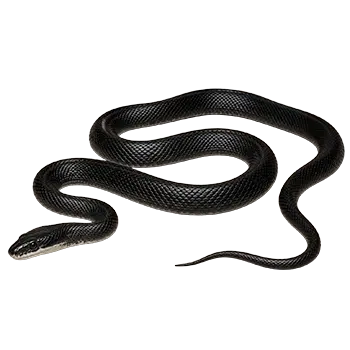

Black Rat Snakes (Pantherophis obsoletus) reach sexual maturity based on a combination of age, body size, and overall condition rather than any single criterion in isolation. Males typically become reproductively viable between two and three years of age, while females generally require an additional year, reaching maturity between three and four years. However, physiological readiness does not equate to optimal breeding condition, and responsible breeders delay pairing until both animals have achieved a body length and weight that indicates full structural development and the metabolic reserves necessary to sustain the demands of the reproductive process.
For females, the minimum recommended size for a first breeding attempt is approximately four feet in total length with a body weight that reflects good condition, meaning a smoothly rounded body profile without visible spine or rib outlines and without excessive fat deposits. Breeding a female that is too young or too small risks a range of complications including egg binding (dystocia), production of infertile or undersized eggs, depletion of calcium and energy reserves that compromise the animal's long-term health, and in severe cases, maternal mortality. The physiological cost of vitellogenesis, the process by which the female's body mobilizes substantial protein, lipid, and calcium resources to form yolk for each developing follicle, should not be underestimated.
Males are generally ready to breed once they exhibit active searching behavior during the breeding season, characterized by increased restlessness, persistent tongue-flicking, and reduced interest in food. A healthy male intended for breeding should be in good body condition with well-developed musculature and no signs of illness or parasitic burden. Males that are underweight, recently recovered from illness, or still displaying the semi-blotched coloration of an immature individual should not be used for breeding regardless of their calendar age.
Before initiating any breeding project, the keeper should have a clear plan for the disposition of the resulting offspring. Black Rat Snake clutches can number from five to thirty eggs, and a successful incubation can produce a substantial number of hatchlings that will each require individual housing, feeding, and care for several months before they reach a size suitable for rehoming. The market for captive-bred Black Rat Snakes is moderate, and keepers who breed without a placement plan risk contributing to an oversupply of animals that may ultimately end up in substandard care or abandoned.