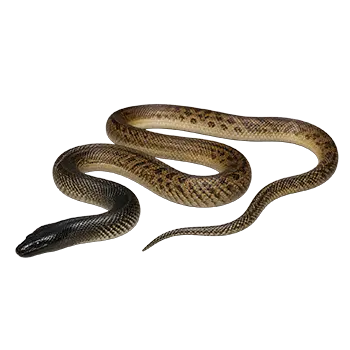

The juvenile phase of a black-headed python begins once the animal is consistently feeding and shedding on a regular cycle, typically around three to four months of age, and extends until it approaches its adult length at roughly two to three years old. During this window, growth can be remarkably rapid when husbandry conditions are optimal. A well-fed juvenile may grow several inches per month in its first year and shed every three to five weeks as its body outpaces its skin.
Tracking weight and length on a regular schedule provides invaluable data for assessing your animal's development. A kitchen scale accurate to the gram is sufficient for juveniles, and monthly measurements help establish a baseline growth curve unique to your individual snake. Significant deviations from a steady upward trend—sudden plateaus, unexpected weight loss, or growth spurts that seem excessive—can all serve as early indicators of husbandry or health issues.
As the snake grows, its characteristic jet-black head and the banded pattern along its body will become more defined and vivid. The body will fill out from the relatively slender neonatal proportions into the heavier, more muscular build that black-headed pythons are known for. This species carries considerable weight relative to its length compared to many other python species, and a healthy juvenile should feel solid and well-muscled when handled.
Enclosure upgrades will be necessary during this phase. A juvenile that has outgrown its neonatal tub should be moved into progressively larger housing that allows it to stretch out fully along at least one dimension. Cramped housing can restrict growth and contribute to stress-related behavioral problems.