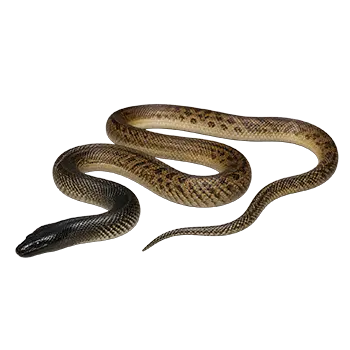

Breeding Readiness

Black-headed pythons reach sexual maturity at approximately three to four years of age, though size and body condition are more reliable indicators of readiness than age alone. Males typically mature earlier and at a smaller size than females. A male should be at least three and a half to four feet in length and in good body condition before being considered for breeding. Females should ideally be at least four and a half to five feet long and carrying adequate weight reserves, as the demands of egg production draw heavily on the female's fat and calcium stores.

Before attempting to breed, both animals should be in peak health. Schedule a veterinary checkup that includes a fecal screen and general physical assessment for each animal. Breeding a snake that is carrying parasites, is underweight, or has an underlying health condition puts both the adult and any potential offspring at risk. The investment of time and money in a pre-breeding health evaluation is negligible compared to the cost of managing complications during egg development or laying.

The keeper must also be fully prepared before introducing animals. Breeding black-headed pythons is a significant commitment that extends well beyond the mating event itself. You will need incubation equipment, hatchling enclosures, a reliable supply of appropriately sized prey, and the financial resources to provide veterinary care for both adults and any resulting offspring. Equally important, you need a realistic plan for the hatchlings—whether you intend to raise them yourself, place them with experienced keepers, or work with a reputable reptile retailer.

Black-headed pythons are not a species that produces massive clutches, but even a modest clutch of five to ten hatchlings represents a substantial ongoing care obligation. Responsible breeders do not produce animals without a clear path for every hatchling to reach a prepared, knowledgeable home.

Seasonal Cycling & Conditioning

In the wild, black-headed pythons breed seasonally, with mating activity triggered by the cooler, drier months of the Australian winter. In captivity, replicating this seasonal shift through a controlled cooling period is typically necessary to stimulate reproductive behavior. The cycling process generally begins in late autumn and extends through the winter months, lasting approximately eight to twelve weeks.

To initiate cycling, gradually reduce nighttime temperatures to 68 to 72 degrees Fahrenheit over the course of one to two weeks, while maintaining daytime basking temperatures in the mid to upper 80s. Reduce the photoperiod to approximately 8 to 10 hours of light per day to simulate shorter winter days. These changes should be made incrementally to avoid shocking the animals' systems, and both the male and female should be cycled simultaneously.

During the cooling period, most black-headed pythons will reduce or cease feeding entirely. This is expected behavior and should not cause alarm, provided the animals entered the cycling period in good body condition. Continue offering water at all times. Some keepers offer a small meal once every three to four weeks during cycling to maintain energy reserves, while others allow a complete fasting period. The appropriate approach depends on the individual animal's condition and your veterinarian's guidance.

As the cycling period ends, gradually return temperatures and photoperiod to normal levels over one to two weeks. Resume feeding the female heavily once she begins accepting meals again, as she will need to build the energy and nutrient reserves required for follicle development and egg production. Males can be returned to their normal feeding schedule as well, though they may remain off feed for some time after cycling as their focus shifts toward mating behavior.

Mating & Copulation

Once both animals have been returned to normal temperatures and the female has resumed feeding, introductions can begin. Place the male into the female's enclosure rather than the reverse, as females are generally more comfortable and receptive in their own territory. Monitor the initial introduction closely for any signs of aggression, particularly from the female. While black-headed pythons are not typically aggressive toward conspecifics during breeding, individual temperaments vary and any interaction between two snakes should be supervised.

Courtship behavior in black-headed pythons involves the male trailing the female around the enclosure, aligning his body alongside hers, and stimulating her with spinal undulations and cloaca rubbing. The male may also use his spurs—vestigial limb structures located near the vent—to scratch along the female's body as part of the courtship ritual. If the female is receptive, she will lift her tail and allow cloacal alignment for copulation.

Mating sessions can last from several minutes to several hours. Allow the snakes to separate naturally and do not attempt to pull them apart. After a successful mating event, return the male to his own enclosure and allow the female to rest undisturbed. Many breeders introduce the male multiple times over a two- to four-week period to maximize the chances of successful fertilization.

Signs that the female may be developing follicles and progressing toward ovulation include a noticeable thickening of the lower third of her body, increased basking behavior, and a characteristic mid-body swelling that becomes visible as the follicles enlarge. Some females will go off feed entirely during follicle development, while others continue to accept small meals.

Egg Development & Laying

After successful ovulation, the female black-headed python will undergo a pre-lay shed approximately two to three weeks before depositing her eggs. This shed is a reliable indicator that laying is imminent and serves as your signal to prepare the egg-laying site. Provide a large, enclosed nesting box filled with slightly damp sphagnum moss or vermiculite, placed on the warm end of the enclosure. The box should be spacious enough for the female to coil comfortably inside.

The gestation period from ovulation to laying is typically 40 to 60 days, though individual variation is common. During this time, the female will spend the majority of her time basking to maintain elevated body temperatures that support embryonic development within the eggs. She may position herself in an inverted posture with her belly facing upward toward the heat source, which is normal thermoregulatory behavior for gravid pythons.

Black-headed pythons typically produce clutches of 5 to 12 eggs, with first-time breeders often laying smaller clutches. The eggs are white, leathery, and usually adhere to one another in a loose cluster. Once laying is complete, the female may coil around the eggs in a brooding posture. While some python species are known for maternal incubation, captive breeders generally remove the eggs for artificial incubation to achieve more consistent results.

After the eggs are removed, the female will be exhausted and significantly depleted in body weight and condition. Offer fresh water immediately and begin a gentle refeeding program with small meals every five to seven days. It may take several months for the female to return to her pre-breeding weight and condition. Many experienced breeders allow their females to rest for a full year or more between breeding attempts to ensure complete recovery.

Incubation & Hatching

Artificial incubation of black-headed python eggs requires a reliable incubator capable of maintaining stable temperatures and humidity levels throughout the approximately 55- to 65-day incubation period. Set the incubator to 88 to 90 degrees Fahrenheit. Temperature consistency is critical—fluctuations of even a few degrees can result in developmental abnormalities, reduced hatch rates, or embryonic death.

Eggs should be placed in a container filled with a moistened incubation medium such as vermiculite, perlite, or a purpose-made reptile incubation substrate. The medium should be damp but not saturated—a common guideline is to mix the medium with water at a 1:1 ratio by weight. Set the eggs gently into shallow depressions in the medium, maintaining the same orientation in which they were laid. Do not rotate or flip the eggs, as this can damage the developing embryo.

Monitor the eggs regularly for signs of health and viability. Fertile, developing eggs will remain white and turgid, often developing visible veining when candled with a bright light after the first few weeks. Infertile or dead eggs typically turn yellow, collapse, or develop mold. Remove any clearly nonviable eggs promptly to prevent mold from spreading to healthy eggs in the same container.

As hatching approaches, the eggs may begin to dimple or sweat slightly, which is a normal part of the process. Hatchlings will slit the eggshell using their egg tooth and may take 24 to 48 hours to fully emerge after the initial cut. Do not intervene during this process unless a hatchling appears genuinely trapped after an extended period, and even then, proceed with extreme caution under veterinary guidance if possible.

Responsible Breeding Ethics

Breeding black-headed pythons carries significant ethical responsibilities that extend far beyond the mechanics of mating and incubation. This species is native exclusively to Australia, where export has been prohibited for decades, making the captive gene pool outside of Australia limited and valuable. Breeders working with black-headed pythons have an obligation to prioritize genetic diversity, maintain accurate lineage records, and avoid producing animals from closely related pairings that could concentrate deleterious traits.

Before breeding, research the lineage of both prospective parents as thoroughly as possible. If provenance records are unavailable, consider whether producing offspring of unknown genetic background serves the broader captive population or merely adds animals to an already saturated market. Quality should always take precedence over quantity, and a breeder who produces a small number of well-documented, healthy animals contributes far more to the species' long-term captive viability than one who produces large numbers of animals with no regard for genetic management.

The welfare of the breeding female must be a primary concern at every stage. Breeding takes a substantial physical toll, and females that are bred too frequently, too young, or in poor body condition face elevated risks of egg binding, reproductive infections, and long-term health decline. A responsible breeding program prioritizes the health and longevity of the adult animals over the desire to produce offspring on a fixed schedule.

Finally, every breeder must have a plan for every hatchling before eggs are laid. This means identifying qualified buyers or keepers, being prepared to retain animals that do not find suitable homes, and providing accurate care information to every person who receives one of your animals. Producing snakes without a commitment to their lifetime welfare is irresponsible and contributes to the broader problem of unwanted reptiles in the pet trade.

Always consult a qualified professional before making any health-related decisions. This content is provided for informational reference only and should not replace professional guidance specific to your animal.