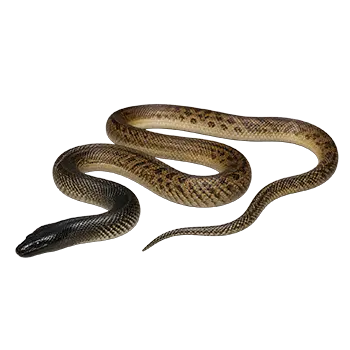

Recognizing the Signs

The end-of-life phase in a black-headed python may arrive as the result of advanced age, progressive illness, or a sudden acute medical event. Regardless of the cause, recognizing the signs that your snake is approaching the end of its life is essential for making informed, compassionate decisions about its care. Because snakes are stoic animals that do not vocalize pain or distress in obvious ways, keepers must rely on careful observation and knowledge of their individual animal's baseline behavior.

Persistent and complete refusal of food over an extended period—weeks to months—in a snake that has historically been a reliable feeder is one of the most common indicators of terminal decline. While fasting can occur for many non-critical reasons in snakes, prolonged food refusal in a senior or chronically ill animal, especially when accompanied by progressive weight loss and muscle wasting, often signals that the body's systems are shutting down.

Other signs of decline include chronic inability to shed properly despite optimal humidity, a loss of muscle tone that makes the spine and ribs increasingly prominent, lethargy beyond what is normal for the individual, loss of righting reflex (the ability to turn itself over if placed on its back), and a general loss of responsiveness to environmental stimuli. A snake that no longer tongue-flicks, no longer reacts to being touched, or lies in the open without seeking shelter is exhibiting profoundly diminished awareness.

Respiratory signs such as persistent open-mouth breathing, audible wheezing, or visible mucus that does not resolve with treatment may indicate that the respiratory system is failing. Neurological signs including disorientation, stargazing (a fixed upward posture of the head), and uncoordinated movement can point to systemic organ failure or central nervous system involvement.

Palliative & Hospice Care

When a black-headed python reaches a stage where curative treatment is no longer effective or appropriate, the focus of care shifts from healing to comfort. Palliative care for a snake centers on minimizing stress, maintaining physical comfort, and meeting the animal's basic needs without subjecting it to invasive procedures or treatments that offer no meaningful benefit.

Simplify the enclosure to reduce the effort required for the snake to access essentials. Place a single, roomy hide directly over the optimal temperature zone so the snake does not need to travel to thermoregulate. Position the water dish immediately adjacent to the hide. Remove any enclosure furnishings that the snake could struggle to navigate around or become trapped under. The environment should be calm, quiet, and free from unnecessary disturbance.

Maintain normal temperature gradients and humidity levels throughout the hospice period. Even a snake that is no longer eating or moving much still benefits from the ability to thermoregulate, and allowing enclosure temperatures to drift can increase discomfort. Continue offering water and monitor for dehydration, gently offering soaking sessions if the snake is willing to tolerate them.

Handle the snake as little as possible during this stage, limiting contact to what is necessary for health monitoring and enclosure maintenance. Some keepers find that brief, quiet sessions of simply holding the snake provide comfort to both the animal and the keeper, and if the snake does not show signs of stress during these moments, there is no reason to discontinue them. Let the animal's responses guide your decisions about interaction.

The Decision

Deciding when to euthanize a beloved snake is one of the most difficult choices a keeper will face. Unlike companion mammals that may cry out, whimper, or show obvious pain behaviors, a declining snake communicates its suffering in muted, indirect ways that can make the timing of this decision feel uncertain. Many keepers struggle with the fear of acting too soon and the equally painful fear of waiting too long.

Work closely with your reptile veterinarian to assess your snake's condition objectively. A veterinarian experienced with reptiles can help you evaluate whether the animal is experiencing pain or distress, whether any remaining treatment options exist, and whether the snake's quality of life has declined below a threshold that can be ethically justified. This is not a decision you need to make alone, and the perspective of a knowledgeable professional can provide clarity during an emotional time.

Some keepers find it helpful to establish quality-of-life criteria in advance—specific benchmarks that, when reached, will serve as the signal to schedule euthanasia. These might include a defined period of complete food refusal, loss of the righting reflex, inability to shed, or the onset of persistent respiratory distress. Having these criteria agreed upon with your veterinarian before the situation becomes acute can reduce the anguish of making the decision in the moment.

There is no single right answer for when the time has come. What matters is that the decision is made with the animal's welfare as the primary consideration, guided by veterinary expertise and tempered by the compassion that comes from years of caring for this individual creature.

The Process

Euthanasia for reptiles is performed by a veterinarian using an injectable anesthetic agent that produces rapid unconsciousness followed by painless cardiac arrest. The process is humane, quick, and considered the gold standard for ending suffering in a terminal animal. Understanding what to expect can help reduce anxiety for both the keeper and the animal during this final visit.

Your veterinarian will typically administer the injection into the coelomic cavity (the body cavity) or, in some cases, intravenously. In snakes, coelomic injection is more common due to the difficulty of accessing veins in most species. The snake will gradually become still as the anesthetic takes effect, and breathing will slow and cease. Because reptiles have a slower metabolism than mammals, the process may take slightly longer than what is experienced with dogs or cats, and your veterinarian will confirm that the heart has stopped before the procedure is considered complete.

You may choose to be present during the euthanasia or to say your goodbye beforehand—either choice is valid and deeply personal. If you wish to be present, your veterinarian will explain each step as it happens. Some keepers find comfort in holding their snake during the process, while others prefer to have the veterinarian handle the animal. There is no right or wrong approach, only what feels most appropriate for you and your relationship with the animal.

If your veterinary clinic does not have reptile euthanasia experience, ask for a referral to one that does. The procedure is straightforward for a veterinarian familiar with reptile anatomy, and ensuring that the final moments are handled by someone with species-specific expertise is an important part of providing a dignified end.

Aftercare Options

After euthanasia or natural death, you will need to decide how to handle your snake's remains. Several options are available, and the right choice depends on your personal values, local regulations, and practical considerations. There is no single correct answer, and you should take whatever time you need to make a decision that feels right.

Cremation is the most common aftercare option for pet reptiles. Many veterinary clinics partner with pet cremation services that offer both communal cremation, where multiple animals are cremated together, and private cremation, where your snake is cremated individually and the ashes returned to you. Private cremation allows you to keep the remains in an urn or scatter them in a meaningful location.

Home burial is an option in many areas, though local regulations vary. If you choose burial, select a location that is unlikely to be disturbed, and dig to a depth of at least two to three feet to prevent scavenging. Some keepers wrap the animal in a natural cloth or place it in a biodegradable container before burial. Check your local municipal codes before proceeding, as some jurisdictions have restrictions on burying animal remains on residential property.

Some keepers choose to preserve their snake through taxidermy or skeletal preparation, keeping a physical memento of an animal that was part of their life for decades. If this appeals to you, seek out a taxidermist or preparator with experience working on reptiles, as the techniques involved differ significantly from those used for birds or mammals. Whatever aftercare option you choose, give yourself permission to grieve in whatever way feels natural.

Grief & Healing

The loss of a black-headed python that has been in your care for 20 or more years is a significant emotional event, and the grief that follows is entirely legitimate. Reptile keepers sometimes feel that their loss is minimized by others who do not understand the bond that develops between a person and a snake over decades of daily care. The relationship may look different from the bond between a person and a dog or cat, but it is no less real, and the space that animal occupied in your life is no less empty.

Allow yourself to grieve without judgment. Some keepers feel the loss acutely and immediately, while others experience a delayed or gradual emotional response. There is no timeline for grief and no correct way to process it. You may find comfort in talking about your snake with other reptile keepers who understand the unique nature of this bond, or you may prefer to process your feelings privately. Both approaches are valid.

Consider creating a memorial that honors your snake's life. This might take the form of a photograph displayed in your home, a written account of your years together, a donation to a reptile conservation organization, or simply a quiet moment of reflection at the spot where the animal's enclosure once stood. These acts of remembrance can provide a sense of closure and help transform acute grief into fond memory over time.

When you are ready—and there is no pressure to be ready on anyone else's schedule—you may choose to welcome another reptile into your life. Some keepers find that caring for a new animal helps channel their nurturing instincts and provides a sense of purpose after a loss. Others need an extended period away from keeping before they feel ready to begin again. Honor your own pace and trust that you will know when the time is right, if it comes at all.

Always consult a qualified professional before making any health-related decisions. This content is provided for informational reference only and should not replace professional guidance specific to your animal.