
Peak Health Maintenance

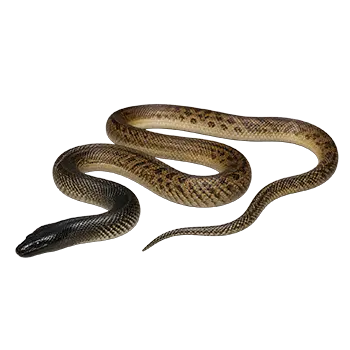
A black-headed python reaches full adult size at approximately three to four years of age, though some individuals continue to add girth and muscle well into their fifth year. At maturity, most specimens measure between five and eight feet in total length, with females typically being slightly larger and heavier than males. The adult phase represents the longest period of the snake's life, often spanning 15 to 25 years, and the care decisions you make during this time directly determine the animal's overall quality of life.

Routine health monitoring should become a consistent part of your husbandry practice. Weigh your adult snake monthly and record the data. A healthy adult should maintain a stable weight with only minor seasonal fluctuations. Gradual, unexplained weight loss is often the earliest sign of an underlying health issue, and catching it through routine monitoring allows for early veterinary intervention before the problem becomes advanced.

Conduct regular visual inspections of your snake during handling sessions. Check for smooth, unblemished scales, clear eyes, a clean vent, and healthy muscle tone along the length of the body. An adult black-headed python in peak condition should feel firm and powerful when it moves across your hands, with no visible spine ridges or loose skin folds that would suggest weight loss or dehydration.

Annual or biannual veterinary checkups are recommended even when your snake appears perfectly healthy. A reptile-experienced veterinarian can perform fecal testing for internal parasites, check for early signs of respiratory or dermatological conditions, and provide guidance on any husbandry adjustments that may benefit your animal as it ages.

Nutrition at Maturity

Adult black-headed pythons require significantly less frequent feeding than juveniles. A meal every 10 to 14 days is appropriate for most adults, with prey size scaled to roughly the same width as the thickest part of the snake's body. Medium to large rats are the standard prey item for adults of this species, providing a complete nutritional profile in a single feeding.

Obesity is one of the most common health problems in captive adult snakes, and black-headed pythons are particularly prone to it due to their heavy build and relatively sedentary lifestyle in captivity. An obese snake will develop visible fat deposits along its sides, and the body will feel soft and doughy rather than firm and muscular. Overfeeding shortens lifespan and increases the risk of fatty liver disease, reproductive complications, and cardiovascular problems.

Some keepers choose to offer a seasonal feeding variation, reducing meal frequency slightly during the cooler months and returning to regular intervals during warmer periods. This approach mimics the natural feeding rhythms black-headed pythons experience in their native Australian habitat, where prey availability fluctuates with seasonal conditions. While not strictly necessary in captivity, seasonal variation can help prevent chronic overfeeding.

Always provide clean, fresh water in a bowl large enough for the snake to drink from comfortably and, ideally, soak in when it chooses. Water should be changed at minimum every two days, or immediately if the snake defecates or urinates in it. Proper hydration supports digestion, shedding, and overall metabolic health.

Enclosure & Environment

An adult black-headed python requires a permanent enclosure that provides adequate space for movement and thermoregulation. A minimum enclosure size of 6 feet long by 2 feet deep by 2 feet tall is recommended for an average-sized adult, with larger individuals benefiting from additional floor space. PVC or sealed wood enclosures are popular choices for this species because they retain heat and humidity more effectively than glass tanks.

The thermal gradient remains the cornerstone of proper black-headed python husbandry throughout the adult years. Maintain a warm end of 88 to 92 degrees Fahrenheit with a basking surface of up to 95 degrees, and a cool end of 78 to 82 degrees. Use a quality thermostat on every heat source without exception. Radiant heat panels mounted on the ceiling of the enclosure are an excellent option for adults, as they provide even, controllable warmth without occupying floor space.

Ambient humidity should remain between 50 and 60 percent, with a humid hide available for use during pre-shed periods. Black-headed pythons originate from the semi-arid tropical regions of northern Australia, so their humidity needs are moderate compared to many tropical python species. Excessive humidity promotes bacterial and fungal growth, while insufficient humidity leads to chronic shedding problems.

Furnish the adult enclosure with sturdy hides on both the warm and cool ends, a large water bowl, and environmental enrichment items such as cork bark, flat rocks, and low branches. Black-headed pythons are strong animals that will push and rearrange lightweight furnishings, so secure or weight heavier items to prevent them from toppling and potentially injuring the snake.

Preventive Health Care

Preventive care for adult black-headed pythons revolves around maintaining optimal environmental conditions and performing regular health assessments. The majority of health issues seen in captive snakes are directly attributable to husbandry errors—incorrect temperatures, improper humidity, unsanitary conditions, or inappropriate feeding practices. Correcting these factors before problems arise is far more effective and less stressful for the animal than treating diseases after they develop.

Parasite screening should be part of your annual veterinary visit. Internal parasites such as nematodes and coccidia can persist at subclinical levels for extended periods, gradually compromising the snake's health without obvious outward signs. A routine fecal float or smear is a simple, inexpensive test that can detect parasites before they cause significant harm.

Respiratory infections are among the most common health concerns in captive pythons and are almost always linked to environmental factors. Cold temperatures, excessive humidity, poor ventilation, and dirty substrates all increase respiratory risk. If you notice any audible breathing sounds, nasal discharge, or open-mouth breathing, isolate the affected animal, verify that all environmental parameters are within optimal range, and schedule a veterinary appointment promptly.

Scale health should be monitored during every handling session. Look for blistering, discoloration, retained shed patches, and any raised or irregular scales. Scale rot, a bacterial dermatitis caused by prolonged contact with damp or soiled substrate, presents as darkened, eroded ventral scales and requires veterinary treatment along with immediate correction of the underlying environmental cause.

Behavioral Maturity

Adult black-headed pythons that have been properly socialized through their juvenile years are typically calm, predictable animals that tolerate handling well. Their temperament is often described as placid but deliberate—they move with purpose and tend to explore methodically rather than frantically. This steady demeanor makes them rewarding animals for keepers who appreciate a python with presence and personality.

Despite their generally docile nature, adults retain strong feeding instincts and should always be approached with appropriate respect. Use a snake hook or gentle tap on the body to announce your presence before reaching into the enclosure, particularly around feeding time. This simple practice, known as hook training, teaches the snake to distinguish between feeding events and handling events, dramatically reducing the chance of a misdirected feeding strike.

Adult black-headed pythons may display seasonal behavioral shifts, particularly if they are exposed to natural or simulated seasonal temperature and photoperiod changes. Males may become restless and refuse food during the breeding season, while females may exhibit increased basking behavior. Understanding these natural cycles helps you interpret behavioral changes without unnecessary alarm.

Some adults develop strong individual preferences regarding their environment and routine. A snake that consistently retreats to a specific hide, prefers a particular perch, or feeds most reliably at a certain time of day is communicating preferences that, when respected, contribute to a lower-stress captive experience. Observing and accommodating these preferences is a hallmark of attentive, experienced snake keeping.

Shedding & Skin Maintenance

Adult black-headed pythons shed less frequently than juveniles, typically every six to ten weeks depending on feeding frequency and overall growth status. The shedding process follows the same progression seen in younger animals: dulling of colors, clouding of the eyes, a clearing phase, and then the shed itself. A healthy adult in proper conditions should consistently produce clean, one-piece sheds.

If your adult snake begins producing fragmented sheds or retaining skin, the first step is to review your humidity management and hydration resources. Ensure the water bowl is large enough and consistently full, and consider adding or refreshing a humid hide with damp sphagnum moss during the pre-shed phase. Chronic shedding problems in an adult that previously shed cleanly may indicate an underlying health issue and warrant veterinary evaluation.

The shed skin itself is a valuable diagnostic tool. Examine each shed for completeness, paying particular attention to the eye caps, tail tip, and ventral scales. Check for any unusual discoloration, embedded mites, or areas where the skin appears abnormally thickened. Comparing shed quality over time gives you a running record of your snake's skin health that can reveal gradual changes you might not notice during routine visual inspections.

During the pre-shed period, minimize handling and avoid offering food. A snake in shed is visually impaired, physiologically stressed, and more likely to refuse a meal or react defensively to being touched. Respecting the shedding cycle as a natural process that requires a brief pause in your usual routine is simply good husbandry practice.

Always consult a qualified professional before making any health-related decisions. This content is provided for informational reference only and should not replace professional guidance specific to your animal.