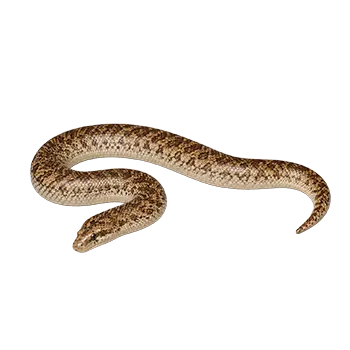

Defining the Juvenile Stage

The juvenile period for the Arabian Sand Boa begins at approximately three months of age and extends until the snake approaches sexual maturity, which typically occurs between eighteen and twenty-four months depending on sex, feeding regimen, and overall health. During this window the snake undergoes its most rapid and visible transformation, growing from a delicate six-to-eight-inch neonate into a robust sub-adult that begins to display the proportions and behavioral confidence of a mature individual. Understanding the specific needs of this developmental phase is essential for producing a healthy, well-adjusted adult.

Sexual dimorphism becomes increasingly apparent during the juvenile stage. Female Arabian Sand Boas grow noticeably larger than males, and by the time they reach twelve months of age the size difference is often unmistakable. Females will approach fourteen to sixteen inches at maturity, while males typically plateau around ten to twelve inches. This size divergence has practical implications for enclosure sizing, prey selection, and long-term planning, and keepers who intend to breed their animals should begin tracking growth rates and sex-related differences during this period.

Behaviorally, juvenile Arabian Sand Boas are more active and exploratory than adults. While they still spend the majority of their time buried in substrate, juveniles surface more frequently and may be observed prowling the enclosure perimeter during the evening and nighttime hours. This increased surface activity is driven by heightened metabolic demand and the instinct to expand their territory as they grow. It is a healthy sign and should be encouraged by providing an enclosure that offers both adequate burrowing depth and enough open surface area to accommodate this exploration.

The juvenile phase is also when the keeper's husbandry practices establish the metabolic and behavioral patterns that will carry through the snake's adult life. Consistent feeding schedules, stable environmental parameters, and regular but respectful handling during this formative period lay the foundation for a long-lived, healthy captive animal. Mistakes made during the juvenile stage, particularly in nutrition and thermal management, can produce lasting effects that are difficult or impossible to correct later.

Feeding Progression and Prey Sizing

As the juvenile Arabian Sand Boa grows, its prey must grow with it. The transition from pinky mice to fuzzy mice typically occurs around three to four months of age, when the snake's girth has increased enough to safely consume the larger prey item. The general rule for prey sizing applies here: the prey item should be no wider than the widest point of the snake's body. Offering prey that is too large risks regurgitation and esophageal injury, while consistently undersized prey fails to provide adequate nutrition and slows growth.

Feeding frequency during the juvenile stage should be maintained at one appropriately sized prey item every five to seven days. As the snake approaches sub-adult size around twelve to fifteen months of age, the interval can be gradually extended to every seven to ten days. This gradual reduction in feeding frequency mirrors the natural metabolic slowdown that occurs as growth rate declines. Overfeeding juveniles in an attempt to accelerate growth is a common error that can lead to obesity, fatty liver disease, and shortened lifespan. Steady, moderate growth is always preferable to rapid weight gain.

By approximately eight to twelve months, most juvenile Arabian Sand Boas will have transitioned to small adult mice or large fuzzy mice as their primary prey. Some keepers offer the occasional appropriately sized multimammate mouse or African soft-furred rat as a dietary supplement, which can provide nutritional variety. Regardless of prey species, all food items should be pre-killed or thawed from frozen. Live prey presents an unacceptable injury risk to a snake that hunts by ambush from beneath the substrate, as the rodent may gnaw on the partially buried snake before it strikes.

Water consumption becomes more consistent and predictable during the juvenile stage compared to the somewhat erratic drinking patterns of neonates. Ensure fresh water is available at all times in a sturdy dish that the growing snake cannot tip. While Arabian Sand Boas obtain some moisture from their prey, they do drink regularly, and a dehydrated juvenile will show symptoms including sunken eyes, excessive skin wrinkling, and difficulty shedding. Monitor the water dish daily for contamination from substrate particles, which is common with sand-based setups.

Enclosure Upgrades and Habitat Design

The small neonate container that served well during the first three months of life will need to be replaced as the juvenile grows. A ten-gallon glass terrarium or an equivalently sized front-opening enclosure provides adequate space for a juvenile Arabian Sand Boa from roughly three to twelve months of age. After twelve months, particularly for females that are growing at a faster rate, an upgrade to a fifteen- or twenty-gallon enclosure is appropriate. The enclosure must be escape-proof, as sand boas are surprisingly strong and can push through unsecured screen lids or gaps in enclosure doors.

Substrate depth should increase proportionally with the snake's size. A juvenile of eight to ten inches benefits from three to four inches of fine-grain sand, while a larger sub-adult approaching adult size needs four to five inches. The deeper substrate allows the snake to thermoregulate vertically within the sand column, moving closer to the surface to warm up and deeper to cool down. This vertical thermoregulation is a key behavioral adaptation of fossorial desert species and should be supported rather than restricted by substrate depth choices.

Hide options become more important during the juvenile stage as the snake develops stronger territorial instincts and preferences for specific resting spots. Provide at least two hides: one on the warm side and one on the cool side of the enclosure. Flat pieces of slate, cork bark, or commercially available reptile caves positioned partially buried in the substrate work well and allow the snake to choose between burrowing in open sand and retreating to a structured shelter. Some juveniles develop a strong preference for one hide over the other, which can provide useful information about their thermal comfort level.

Ventilation remains critical throughout the juvenile stage. Stagnant air combined with the warmth of the enclosure creates conditions favorable to bacterial and fungal growth, particularly at the substrate surface. Ensure the enclosure lid provides adequate airflow without creating drafts that could drop the ambient temperature below the desired range. Screen-top enclosures work well for ventilation but can make maintaining the warm-side temperature more challenging, so supplemental heating may be necessary depending on the room's ambient temperature.

Growth Rate and Physical Development

Growth in juvenile Arabian Sand Boas is steady but not dramatic, reflecting the species' small adult size. A well-fed juvenile can be expected to gain approximately one to two grams per month during the first year, with the rate gradually tapering as the snake approaches its adult dimensions. Female juveniles consistently outpace males in both length and weight gain from approximately four months of age onward. Keeping a detailed growth log with weekly or biweekly weight measurements and monthly length measurements provides valuable data for assessing the health trajectory of each individual.

The shed cycle accelerates during periods of active growth. Juvenile Arabian Sand Boas may shed as frequently as every three to four weeks during their first year, compared to the every-six-to-eight-week cycle that is typical of adults. Each shed should be complete and come off in one piece. The frequency of shedding is a useful proxy for growth rate; a juvenile that suddenly slows its shed cycle without a corresponding change in feeding or temperature may be experiencing a health issue that merits investigation.

Musculoskeletal development becomes increasingly evident during the juvenile phase. The snake's body transitions from the soft, slightly translucent quality of a neonate to the firmer, more densely muscled build of a sub-adult. The head shape becomes more distinctly triangular and flattened, an adaptation for efficient movement through loose sand. The characteristic dorsally positioned eyes become more prominent, and the overall coloration often intensifies, with the orange and tan blotches becoming more vivid and well-defined against the lighter ground color.

Skeletal abnormalities, while uncommon in well-managed captive-bred animals, can become apparent during the juvenile growth phase. Spinal kinks, jaw misalignment, and abnormal curvature of the body may indicate genetic issues, nutritional deficiencies such as insufficient calcium in the diet, or developmental problems caused by prolonged exposure to incorrect temperatures during the neonate stage. Any suspected skeletal abnormality should be evaluated by a reptile veterinarian, as early intervention can sometimes mitigate the impact on the snake's quality of life.

Behavioral Development and Handling

Juvenile Arabian Sand Boas are generally placid and tolerant of regular handling, making this the ideal stage for building a strong foundation of trust between keeper and snake. Handling sessions can be extended from the five-minute limit recommended for neonates to ten or fifteen minutes as the juvenile grows larger and more robust. The snake's increased body mass means it is less susceptible to rapid temperature loss when removed from its enclosure, though handling should still be avoided in cold rooms or drafty areas.

Feeding response sharpening is a notable behavioral development during the juvenile stage. As the snake grows and establishes a consistent feeding routine, it becomes increasingly attuned to the cues that precede a meal, including the scent of thawed prey, the vibrations of the keeper approaching the enclosure, and the removal of the enclosure lid. Some juveniles develop a strong feeding response that causes them to strike at anything entering the enclosure, including the keeper's hand. Using feeding tongs and approaching the enclosure calmly can help prevent accidental bites, which are startling but not medically significant.

Burrowing behavior becomes more complex and purposeful during the juvenile stage. Rather than simply submerging themselves randomly in the substrate, juveniles begin to excavate and maintain specific tunnels and resting chambers within the sand. They may construct a burrow entrance near the warm side of the enclosure for basking and a deeper retreat on the cool side for resting. Observing these burrow architectures through the glass sides of the enclosure can provide insight into the snake's spatial awareness and environmental preferences without disturbing its habitat.

Defensive behaviors such as musking, balling up, and head-hiding typically decrease in frequency as the juvenile matures, particularly in individuals that have been handled regularly from a young age. By twelve to eighteen months of age, most Arabian Sand Boas will tolerate handling with minimal stress response. However, individual variation exists, and some snakes retain a shyer disposition throughout their lives. Respecting each animal's temperament boundaries rather than attempting to force tolerance produces better long-term outcomes for both the snake and the keeper.

Health Monitoring During Growth

Regular health monitoring during the juvenile stage is straightforward but essential. Weigh the snake weekly and record the data to establish a growth baseline. Deviations from the expected growth curve, whether sudden weight loss or unexpectedly rapid gain, warrant investigation. Examine the snake visually during each handling session, looking for signs of retained shed, scale discoloration, swelling, or external parasites. The ventral scales are particularly important to inspect, as scale rot and blister disease often present there first in fossorial species that spend extended periods in contact with substrate.

Internal parasites can become problematic during the juvenile stage if they were not identified and treated during the neonatal period. A juvenile experiencing chronic low-grade parasitic infection may feed inconsistently, grow slowly, produce abnormal feces, or appear generally unthrifty despite apparently correct husbandry. Annual fecal examinations by a reptile veterinarian are a sound preventive measure, and more frequent testing is appropriate for animals acquired from breeders with large colony operations or those known to work with wild-caught stock.

Respiratory health remains a priority throughout the juvenile stage. The symptoms of respiratory infection in Arabian Sand Boas can be subtle in their early stages because the snake spends so much time buried and is not easily observed breathing in the open. A juvenile that begins surfacing more frequently than usual, particularly during the daytime, may be seeking relief from respiratory discomfort. Other warning signs include visible mucus in the nostrils or mouth, audible respiratory sounds, and a change in the snake's posture from the normally coiled resting position to a stretched-out or head-elevated position.

Mite infestations, while less common in sand-dwelling species than in those kept on bark or moss substrates, can still occur and should be monitored for during routine handling. Snake mites appear as tiny black or dark red dots, most easily visible around the eye scales, heat pits, and cloaca. An infested snake may soak in its water dish more frequently than normal, and the water dish itself may contain drowned mites visible as small dark specks. Treatment protocols should be discussed with a reptile veterinarian, as over-the-counter mite treatments can be toxic to small snakes if applied incorrectly.

As the juvenile approaches sub-adult size, it is a good time to establish a relationship with a reptile veterinarian if one has not already been identified. Not all veterinary practices have experience with exotic species, and locating a qualified reptile vet before an emergency arises ensures that professional care is available when it is needed most. Many reptile veterinarians recommend an annual wellness visit for captive snakes, which provides an opportunity for a thorough physical examination and any necessary diagnostic testing.

Preparing for the Transition to Adulthood

As the juvenile Arabian Sand Boa approaches eighteen to twenty-four months of age, several changes signal the transition to adulthood. Growth rate slows noticeably, shed frequency decreases, and the snake's overall behavior becomes calmer and more predictable. Feeding response may also moderate, with the snake showing less urgency at meal times compared to the voracious appetite typical of actively growing juveniles. These changes are normal and reflect the metabolic shift from growth-focused to maintenance-focused physiology.

The feeding schedule should be adjusted to reflect this metabolic transition. Where a growing juvenile required meals every five to seven days, a sub-adult approaching adult size should be transitioned to a feeding interval of seven to fourteen days with appropriately sized prey. This gradual reduction prevents the obesity that can result from maintaining a juvenile feeding schedule in an animal that is no longer growing. Body condition should be assessed visually and by weight rather than by adhering rigidly to a calendar-based feeding schedule.

Enclosure setup should be evaluated and finalized as the snake reaches its adult dimensions. An adult female Arabian Sand Boa requires a minimum enclosure size equivalent to a twenty-gallon long tank, while adult males can be maintained comfortably in slightly smaller setups. The substrate, heating, and furnishing arrangements established during the juvenile stage can be carried forward, with adjustments made for the larger enclosure footprint. Ensure the sand depth is at least four to five inches to accommodate the adult snake's burrowing needs.

For keepers who intend to breed their Arabian Sand Boas, the late juvenile stage is the time to begin planning for future pairings. Accurate sexing, which can be performed by an experienced breeder or veterinarian using gentle probe sexing techniques, should be confirmed before the snake reaches full maturity. Breeding females should not be paired until they have reached a minimum weight and body condition threshold that ensures they can sustain the metabolic demands of gestation without compromising their long-term health. Males can typically breed slightly earlier than females but should still be fully grown and in excellent body condition before being introduced to a potential mate.

Always consult a qualified professional before making any health-related decisions. This content is provided for informational reference only and should not replace professional guidance specific to your animal.