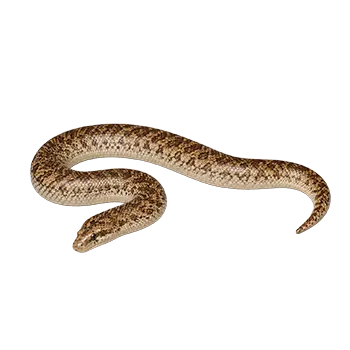

The transition from the senior stage to the terminal phase of life in an Arabian Sand Boa is often gradual and can be difficult to distinguish from the normal slowing associated with advanced age. However, certain patterns of decline signal that the snake has entered a phase from which recovery is unlikely, and the keeper's focus should shift entirely to comfort and dignity. Recognizing these patterns early allows the keeper to make proactive, compassionate decisions rather than reacting to a crisis.
The most telling indicator of terminal decline is a progressive and irreversible loss of body condition despite adequate food availability and correct environmental parameters. A snake that has been losing weight steadily over a period of months, with the spine and ribs becoming increasingly visible beneath thinning musculature, is likely experiencing organ failure, systemic disease, or the cumulative effects of age-related degeneration that cannot be reversed. This wasting pattern, known as cachexia, differs from simple weight loss in that it involves the breakdown of muscle tissue and is not correctable through increased feeding.
Behavioral changes that signal terminal decline include a complete and permanent loss of feeding response, inability to burrow or maintain a normal resting position in the substrate, extended periods of surface dwelling in abnormal postures such as lying stretched out or with the head elevated, and a marked decrease in responsiveness to stimuli that would previously have elicited movement or defensive behavior. A snake that lies motionless on the substrate surface with no response to gentle touch is in a state of profound lethargy that warrants immediate veterinary consultation.
Respiratory decline is frequently a component of the terminal phase and may present as increasingly labored breathing, visible jaw gaping, or rhythmic head movements synchronized with respiratory effort. The snake may produce audible crackling or gurgling sounds with each breath, indicating fluid accumulation in the respiratory tract. In advanced cases, mucus or fluid may be visible at the nostrils or mouth. While respiratory infections can sometimes be treated successfully in younger animals, respiratory decline in a snake that is already exhibiting multiple signs of terminal deterioration is unlikely to respond to treatment in a meaningful or lasting way.