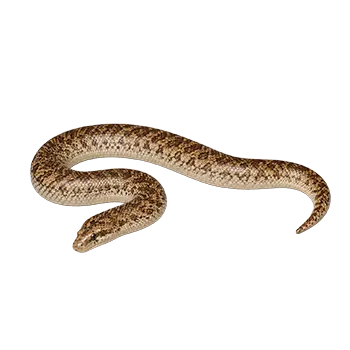

Breeding Readiness and Candidate Selection

Successful breeding of Arabian Sand Boas in captivity begins long before the animals are introduced to one another. Both the male and female must meet minimum thresholds for age, size, and overall health before any breeding attempt is considered. Females should be at least two years of age and have reached a minimum body weight of 80 grams, though many experienced breeders prefer to wait until the female exceeds 90 grams to provide a greater margin of safety during the metabolic demands of gestation. Males can be bred slightly younger, at approximately eighteen to twenty-four months, provided they are in excellent body condition and have been reliably feeding for at least twelve consecutive months.

Sexing Arabian Sand Boas can be accomplished through gentle probe sexing performed by an experienced keeper or reptile veterinarian. Males possess hemipenes that allow a lubricated probe to be inserted a greater relative distance into the cloaca compared to females. This technique must be performed with care and proper training, as incorrect technique can injure the delicate cloacal tissue of these small snakes. Visual sexing based on tail shape is unreliable in this species, and popping techniques used for larger boa and python species are not appropriate for the small, delicate anatomy of Eryx jayakari.

Candidate selection should consider the overall genetic health of the pairing. Breeding closely related individuals, particularly siblings from the same litter, increases the risk of congenital abnormalities, reduced litter viability, and weakened immune function in offspring. Maintaining records of lineage and sourcing breeding animals from unrelated bloodlines whenever possible strengthens the captive population and produces healthier neonates. If lineage information is unavailable, animals acquired from different geographic sources or different breeders are more likely to be genetically diverse.

Both breeding candidates should be free of parasites, respiratory infection, and any chronic health condition before the breeding season begins. A pre-breeding veterinary examination with fecal analysis is strongly recommended. Any health issues identified during this screening should be fully resolved before proceeding, as the physiological stress of mating and gestation can exacerbate existing conditions and reduce reproductive success. A female carrying a parasitic burden or subclinical infection is at significantly higher risk of producing nonviable offspring or experiencing life-threatening complications during gestation.

Pre-Breeding Conditioning and Brumation

A period of cooling, analogous to brumation in temperate-zone reptiles, is widely regarded as beneficial and often essential for stimulating reproductive hormones in Arabian Sand Boas. This cooling period mimics the natural winter temperature drop experienced by wild populations on the Arabian Peninsula, where nighttime temperatures in the desert can fall significantly during the cooler months of December through February. In captivity, this cycle is reproduced by gradually reducing enclosure temperatures over a two-week period beginning in late November or early December.

During the cooling phase, the warm-side temperature should be lowered to 80 to 82 degrees Fahrenheit and the cool side reduced to 70 to 72 degrees. Photoperiod should be shortened to eight to ten hours of light per day. This cooling period typically lasts six to eight weeks, during which the snakes will be largely inactive and will refuse food. Food should be withheld beginning two weeks before the cooling starts to ensure the digestive tract is empty and no undigested prey is left to decompose at the lower metabolic rate. Fresh water must remain available throughout the entire cooling period.

Pre-breeding conditioning also involves building the female's body reserves during the months leading up to the cooling phase. From approximately August through early November, increase the feeding frequency to every seven to ten days with appropriately sized prey to ensure the female enters the cooling period with substantial fat reserves. These reserves sustain her through the fasting period of brumation and the subsequent metabolic demands of follicular development, ovulation, and gestation. A female that enters cooling underweight or in poor body condition is at increased risk of follicular stasis, a potentially fatal condition in which the ovarian follicles fail to ovulate and instead undergo resorption or infection.

The male should also be conditioned with regular feeding prior to cooling, though his metabolic demands are lower than the female's. Males that are too thin or stressed may fail to produce viable sperm or may lack the energy to engage in courtship and mating behavior when the breeding season arrives. Both animals should be in peak body condition at the start of the cooling period, representing the culmination of several months of careful nutritional management.

Introduction and Mating

Following the cooling period, temperatures should be gradually returned to normal maintenance levels over a period of one to two weeks, beginning in late January or February. Resume feeding both animals once normal temperatures are restored, offering small meals initially and increasing prey size over the first two to three feedings. The female's first post-brumation shed is a key reproductive milestone, as it often coincides with follicular development and the release of pheromones that signal receptivity to the male. Many breeders introduce the male into the female's enclosure within a few days of her post-cooling shed.

Introduction should be performed during the evening hours when the snakes are naturally most active. Place the male into the female's enclosure and observe from a distance. Courtship behavior in Arabian Sand Boas is subtle and largely subterranean, making direct observation difficult. The male will typically use his chin and body to align alongside the female, and mating occurs while both animals are partially or fully buried in the substrate. Copulation can last from several minutes to several hours and may not be directly witnessed by the keeper.

Leave the male in the female's enclosure for several days to allow multiple mating events, which increases the likelihood of successful fertilization. Some breeders separate the pair after three to five days and reintroduce the male a week later for a second pairing period. If the female has already been successfully bred, she may reject the male during subsequent introductions by moving away, balling up, or becoming agitated. These refusal behaviors should be respected, and the male should be removed promptly to prevent stress to either animal.

Aggression during breeding introductions is uncommon in Arabian Sand Boas due to the species' generally docile temperament, but it is not impossible. If either snake displays overt signs of stress or aggression, such as rapid striking, vigorous attempts to escape, or refusal to stop moving, separate the animals immediately and attempt reintroduction after a waiting period of three to five days. Never leave the pair unsupervised during the initial introduction period, and ensure the enclosure provides enough space and substrate depth for both animals to retreat from one another if needed.

Gestation and Maternal Care

Arabian Sand Boas are viviparous, meaning the female retains the developing embryos internally and gives birth to fully formed live young. The gestation period in this species ranges from approximately four to five months following successful mating, with some variation depending on ambient temperatures, the female's body condition, and individual physiology. During gestation, the female undergoes significant physiological changes that require attentive monitoring and modified husbandry from the keeper.

One of the most visible signs of pregnancy in an Arabian Sand Boa is a progressive increase in girth, particularly in the posterior half of the body. As the embryos develop, the female's body takes on a distinctly swollen appearance that is different from the uniform thickening associated with simple weight gain. She may also begin spending more time on the warm side of the enclosure, basking with her body positioned to maximize thermal contact with the substrate nearest the heat source. This thermophilic behavior is a natural response to the elevated metabolic demands of embryonic development.

Feeding behavior during gestation varies between individuals. Some females continue to feed throughout gestation, albeit with reduced frequency and smaller prey items, while others fast for the entire gestational period. Never force a gravid female to eat, but continue to offer appropriately small prey items every two to three weeks. If she accepts food, the meal provides additional energy reserves that support embryonic development. If she refuses, her pre-breeding conditioning should have provided sufficient body reserves to sustain her through gestation. Ensure fresh water is always available, as the metabolic demands of gestation increase water requirements.

As the estimated birth date approaches, prepare a birthing setup within the female's enclosure or transfer her to a designated birthing container. The birthing environment should be warm, quiet, and equipped with clean substrate that allows easy cleanup after delivery. Reduce handling to an absolute minimum during the final two to three weeks of gestation, as stress during late pregnancy can trigger premature birth or dystocia. The female may become more restless and surface more frequently in the days immediately preceding birth, which is a normal behavioral cue that delivery is imminent.

Dystocia, or difficulty giving birth, is a serious reproductive emergency that requires immediate veterinary intervention. Signs include prolonged straining without the delivery of neonates, a visible neonate that remains partially emerged for more than one hour, bloody or foul-smelling discharge, and extreme lethargy or unresponsiveness during what should be an active delivery. Dystocia can be caused by oversized or malpositioned neonates, uterine inertia, or physical obstruction, and surgical intervention may be necessary to save the female's life.

Birth and Neonatal Processing

Birth in Arabian Sand Boas typically occurs during the late evening or overnight hours and may take several hours from the delivery of the first neonate to the last. Litters range from three to seven neonates, with four to five being most common. Each neonate is born encased in a thin membrane that it ruptures independently within minutes of delivery. The keeper should observe the process from a distance without intervening unless a neonate fails to free itself from its membrane within fifteen to twenty minutes, in which case gentle manual assistance may be necessary to prevent suffocation.

Once all neonates have been delivered and have freed themselves from their membranes, remove the mother from the birthing enclosure and allow her to rest in a clean, warm enclosure with access to fresh water. Do not offer food to the female for at least five to seven days following delivery, as her digestive system needs time to return to normal function after the physical compression caused by the developing embryos. When feeding resumes, start with a small prey item and gradually increase the size over subsequent feedings to rebuild her depleted body reserves.

Process and separate the neonates into individual containers within the first twelve to twenty-four hours. Record the number of neonates, note any stillborn individuals or undeveloped ova, and document the general appearance and size of each baby. Healthy neonates will be actively burrowing and responsive to touch within hours of birth. Neonates that remain limp, fail to burrow, or display obvious physical abnormalities should be evaluated carefully; some may simply need additional time to acclimate, while others may have congenital issues that affect their long-term viability.

Post-partum care for the female is critical to her recovery and future reproductive fitness. A female that has just given birth has depleted significant energy, calcium, and nutritional reserves over the course of gestation. Rebuilding these reserves requires several months of consistent feeding with appropriately sized, nutritionally complete prey items. Most experienced breeders recommend resting the female for a full year between breeding cycles to allow complete recovery and reduce the risk of reproductive burnout or chronic health decline associated with consecutive breeding seasons.

Genetic Considerations and Record Keeping

Maintaining detailed breeding records is fundamental to responsible captive propagation of Arabian Sand Boas. Each breeding event should be documented with the identities and lineage information of both parents, the dates of introduction and observed mating activity, the duration of gestation, the number and condition of neonates produced, and any complications encountered during the process. Over multiple breeding seasons, these records reveal patterns in individual fertility, litter size, and reproductive success that inform future pairing decisions.

Genetic diversity within the captive Arabian Sand Boa population is a concern that responsible breeders must actively manage. The species is relatively uncommon in the pet trade compared to more prolific sand boa species such as the Kenyan Sand Boa, and the captive gene pool is correspondingly smaller. Repeated breeding of the same individuals or closely related animals leads to inbreeding depression, which manifests as reduced litter sizes, increased neonatal mortality, weakened immune function, and a higher incidence of congenital abnormalities. Collaborative breeding programs between keepers, facilitated by online communities and herpetological societies, help introduce new genetic material into isolated captive populations.

Color and pattern variation in Arabian Sand Boas is primarily determined by genetics, and selective breeding for specific visual traits is practiced by some hobbyists. While selective breeding is common and accepted in the herpetocultural community, it should always be pursued with careful attention to the overall health and vitality of the breeding stock. Selecting solely for color at the expense of vigor, temperament, or reproductive fitness degrades the quality of the captive population over time. A responsible breeder evaluates the whole animal, not just its appearance.

Record keeping should extend beyond the breeding pair to encompass the development and disposition of every neonate produced. Tracking which offspring were sold, traded, or retained, along with their growth trajectories and any health issues that emerged, provides feedback that improves future breeding decisions. If a particular pairing consistently produces neonates with health problems or high mortality rates, the pairing should be discontinued regardless of the visual quality of the offspring. The long-term sustainability of the captive population depends on prioritizing health and genetic fitness above all other considerations.

Ethical Breeding and Responsible Placement

Before undertaking any breeding project, the keeper must honestly assess whether there is sufficient demand for the neonates that will be produced and whether appropriate homes can be secured for every animal. The Arabian Sand Boa's relatively low profile in the pet trade means that finding qualified buyers or adopters can take longer than for more popular species. Producing neonates without a plan for their placement contributes to surplus animals in the hobby and can lead to substandard care when snakes are given away to unprepared recipients or surrendered to rescue organizations that may lack species-specific expertise.

Screening potential buyers or adopters is an important responsibility of the breeder. Inquire about the prospective keeper's experience with sand boas or fossorial snake species, their enclosure setup, their access to a reptile-experienced veterinarian, and their long-term commitment to the animal's care. Providing a basic care sheet and being available to answer questions after the sale demonstrates professionalism and helps ensure the neonates enter homes where they will receive appropriate husbandry throughout their potentially twenty-year lifespan.

Pricing should reflect the actual costs of responsible breeding, including veterinary care, increased feeding during conditioning, substrate and supplies, and the time invested in managing the breeding process from conditioning through neonate placement. Underpricing animals to move them quickly devalues the species in the marketplace and can attract impulse buyers who are less likely to provide long-term quality care. Setting a fair price that covers costs and reflects the quality of the animals encourages thoughtful purchasing decisions by prospective keepers.

Retiring breeding animals at the appropriate time is an often-overlooked aspect of ethical breeding. Females that have produced several litters over multiple seasons should be evaluated for signs of reproductive wear, including declining litter sizes, increased incidence of complications, slow recovery between breeding cycles, and deteriorating body condition. Most breeders recommend retiring females from breeding after five to seven years of active reproduction, or earlier if health indicators suggest the animal is experiencing cumulative stress from repeated gestations. Retired breeders deserve the same quality of care as any other pet and should be maintained comfortably for the remainder of their natural lives.

Always consult a qualified professional before making any health-related decisions. This content is provided for informational reference only and should not replace professional guidance specific to your animal.