
Recognizing the Senior Years

Antaresia pythons are relatively long-lived snakes, with well-maintained captive individuals regularly reaching twenty to twenty-five years and exceptional specimens surviving into their early thirties. The transition into the senior phase is gradual and does not follow a single defined threshold, but most keepers begin to notice age-related changes in their Antaresia pythons between fifteen and twenty years of age. These changes are subtle at first and accumulate over time, making longitudinal familiarity with the individual animal's baseline behavior invaluable for recognizing the early signs of aging.

One of the first indicators that an Antaresia python is entering its senior years is a sustained decrease in activity level. A snake that once patrolled its enclosure actively during the evening hours may begin spending more time resting in its hide, emerge later in the evening, and return to cover earlier. This reduced activity is a normal consequence of metabolic slowing associated with aging and should not be mistaken for illness in the absence of other concerning signs such as weight loss, respiratory symptoms, or changes in stool quality.

Appetite changes often accompany the shift into the senior phase. Many aging Antaresia pythons voluntarily reduce their food intake, accepting meals less frequently or showing reduced enthusiasm during feeding attempts. Seasonal fasting periods that were previously limited to a few weeks during the cooler months may extend to longer durations. As long as the snake maintains stable body condition and shows no signs of pathological weight loss, this reduced appetite is a normal age-related adjustment rather than a symptom requiring medical intervention.

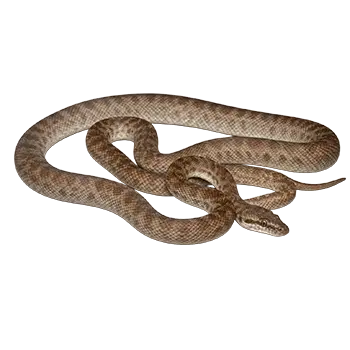
Physical changes in aging Antaresia pythons may include a subtle loss of muscle tone along the body, a slight dulling of coloration and pattern contrast, and a reduction in the frequency and intensity of tongue-flicking behavior. The skin may lose some of its youthful suppleness, and sheds may become less predictable in timing compared to the clockwork regularity of the adult years. These changes develop slowly over years and are part of the natural aging process. Keepers who have maintained detailed records throughout the snake's life will be best positioned to distinguish gradual, age-related decline from the onset of treatable medical conditions.

Adjusting Diet & Feeding Practices

Nutritional management of senior Antaresia pythons requires a thoughtful reduction in caloric intake that matches the animal's declining metabolic rate while still providing adequate nutrition to maintain muscle mass and organ function. Feeding frequency should be extended to once every three to four weeks for most aging individuals, with prey size remaining appropriate for the snake's body diameter but not exceeding it. Offering prey that is slightly smaller than the maximum the snake could handle reduces the digestive burden on an aging gastrointestinal system and lowers the risk of regurgitation, which becomes increasingly dangerous as the snake's recovery capacity diminishes with age.

Digestive efficiency declines in geriatric Antaresia pythons, and keepers may notice that the interval between feeding and defecation lengthens compared to the snake's adult baseline. Ensuring that the warm-side temperature of the enclosure is consistently maintained at the upper end of the appropriate range for several days after feeding supports optimal digestive function. Some keepers find that offering smaller prey items more frequently, rather than fewer large meals, is better tolerated by senior snakes whose digestive systems struggle with the sustained metabolic demands of processing a large bolus.

Dehydration becomes a more significant concern in aging Antaresia pythons as their thirst drive and self-regulating behaviors may diminish. The water dish should be checked and refreshed daily, and its placement should be easily accessible without requiring the snake to navigate complex terrain or climb. Light misting of the enclosure once or twice per week can provide supplemental hydration opportunities and may encourage drinking behavior in seniors that have become less proactive about visiting their water dish. Monitoring skin elasticity and the moisture of the mucous membranes in the mouth during handling sessions provides useful indicators of hydration status.

Weight monitoring becomes more critical during the senior years than at any other life stage. A gradual, progressive loss of body weight that continues across multiple feeding cycles may indicate an underlying health problem such as organ failure, chronic parasitism, or neoplasia. Conversely, an aging snake that continues to be fed on its adult schedule without adjustment may become obese, placing additional strain on an already aging cardiovascular and hepatic system. Weighing the snake monthly and plotting the results on a simple chart allows the keeper to detect subtle trends in either direction before they reach a critical point.

Environmental Modifications for Aging Snakes

The enclosure environment that served the Antaresia python well during its prime adult years may require modifications to accommodate the reduced mobility, altered thermoregulatory behavior, and increased vulnerability of a senior animal. The most important principle guiding these modifications is accessibility: every resource the snake needs, including heat, water, hides, and resting surfaces, should be reachable without requiring difficult climbing, tight navigation through obstacles, or traversal of slippery surfaces.

Climbing structures that were used regularly during the snake's younger years should be evaluated for safety as the snake ages. Senior Antaresia pythons may retain the instinct to climb but lack the grip strength and coordination to do so safely. Falls from elevated perches can cause internal injuries, spinal trauma, or broken ribs in older snakes whose bones have become less resilient. Lowering or removing high perches and replacing them with gentle inclines or low platforms allows the snake to maintain some degree of vertical activity without the risk of a harmful fall.

Hide placement becomes particularly important for senior snakes. Both the warm-side and cool-side hides should be positioned at ground level with wide, easily navigable openings. A senior Antaresia python that has to squeeze through a narrow entrance to reach its preferred resting spot may abandon the hide altogether and resort to resting in exposed, less thermally appropriate locations. Providing hides with multiple entry points or replacing enclosed hides with half-log shelters that offer cover without requiring the snake to navigate a confined tunnel can improve the senior snake's comfort and willingness to use its shelter.

Substrate considerations shift slightly for senior enclosures. While aspen shavings remain an appropriate choice, the depth of the substrate layer should be moderate enough to allow easy movement without creating an uneven surface that challenges the snake's declining coordination. Paper towel or newspaper substrate, though less aesthetically appealing, provides the most stable surface for a senior snake and has the added advantage of making it easy to monitor waste output, which is an important health indicator in aging animals. Whichever substrate is used, it should be kept dry and clean, as senior snakes may be more susceptible to scale infections due to age-related thinning of the integument.

Ambient temperature stability becomes more critical as snakes age and their ability to thermoregulate through active movement declines. A senior Antaresia python that spends most of its time resting in a single location may not move between the warm and cool ends of its enclosure as readily as it did during its adult years. Positioning the snake's preferred resting spot within the mid-range of the thermal gradient ensures that it receives adequate warmth without being forced to relocate. Some keepers find that slightly narrowing the temperature differential between the warm and cool ends of the enclosure provides a more uniformly comfortable environment for a largely sedentary senior snake.

Age-Related Health Concerns

Geriatric Antaresia pythons face an increased risk of several health conditions that are either exclusive to or significantly more prevalent in aging animals. Neoplasia, the development of abnormal tissue growths including both benign and malignant tumors, occurs with greater frequency in snakes beyond fifteen years of age. Tumors may present as visible lumps beneath the skin, unexplained swelling, progressive weight loss despite continued feeding, or changes in stool consistency. Veterinary evaluation including fine-needle aspiration, radiography, or ultrasound is necessary to determine the nature of any suspicious growth and to discuss treatment options, which may range from surgical removal to palliative management depending on the tumor's location and behavior.

Renal disease is another condition that disproportionately affects senior reptiles. The kidneys of aging Antaresia pythons may gradually lose their capacity to filter waste products efficiently, leading to a condition analogous to chronic kidney disease in mammals. Clinical signs include increased water consumption, changes in urate color or consistency from the normal white chalky appearance to yellow, green, or gritty textures, lethargy, and progressive weight loss. Blood chemistry panels performed by a reptile veterinarian can assess renal function and guide supportive care strategies such as fluid therapy and dietary modification.

Musculoskeletal degeneration occurs gradually in senior Antaresia pythons, manifesting as reduced muscle tone, slower movement, and diminished grip strength. A snake that once coiled tightly around a branch or the keeper's hand may now exhibit a looser, less confident grip. Spinal spondylosis, a degenerative condition affecting the vertebral column, can cause stiffness, reluctance to coil tightly, and discomfort during handling. While these conditions are not curable, their progression can be managed through environmental modifications that reduce physical demands on the snake, gentle handling techniques that avoid putting stress on stiff joints, and veterinary pain management when warranted.

Ophthalmic changes are common in geriatric Antaresia pythons. The spectacle, the transparent scale that covers the snake's eye, may become slightly opaque or develop a yellowish discoloration over time. These changes can impair the snake's ability to track prey visually and may contribute to increased defensiveness during handling if the snake cannot clearly see approaching objects. In most cases, age-related spectacle changes do not require treatment, but they should be distinguished from infectious conditions or retained spectacles that demand intervention. Regular visual inspection of the eyes during handling sessions helps track any changes over time.

Veterinary Care for the Aging Python

The frequency of veterinary examinations should increase during the senior years, with checkups recommended every six months rather than annually. These more frequent visits allow the veterinarian to track the progression of any age-related conditions, adjust treatment plans as needed, and detect new issues while they are still in their early stages. Senior wellness panels that include blood chemistry, complete blood count, and fecal examination provide a comprehensive picture of the aging snake's internal health and can reveal organ dysfunction, infection, or metabolic imbalance that is not yet apparent from external observation alone.

Diagnostic imaging becomes increasingly valuable for monitoring senior Antaresia pythons. Radiography can detect skeletal changes such as spondylosis, identify organ enlargement or displacement, and reveal the presence of calcifications or masses within the body cavity. Ultrasonography offers a non-invasive way to evaluate the structure and size of internal organs including the liver, kidneys, and reproductive tract. These imaging modalities allow the veterinarian and keeper to make more informed decisions about treatment, husbandry adjustments, and quality of life assessment than physical examination alone can provide.

Medication administration in senior Antaresia pythons requires careful consideration of dosing, route of administration, and the snake's ability to tolerate the stress of treatment. Oral medications can be difficult to administer to snakes and may cause undue stress to a geriatric animal that is already vulnerable. Injectable medications, while more reliably absorbed, require proper technique to avoid tissue damage. The keeper and veterinarian should work together to develop a treatment approach that balances therapeutic efficacy against the stress burden of the treatment itself, particularly for chronic conditions that require ongoing management.

The concept of palliative care is applicable to senior Antaresia pythons facing progressive, incurable conditions. When a diagnosis carries a poor long-term prognosis but the snake's current quality of life remains acceptable, the focus of veterinary care shifts from curative intent to comfort management. This may involve pain control, environmental modifications to reduce physical demands, supportive fluid therapy, and adjustments to feeding that accommodate declining digestive function. The goal of palliative care is to maximize the snake's remaining quality of life rather than to extend its lifespan at the cost of increasing suffering.

Quality of Life Assessment

Evaluating quality of life in a senior Antaresia python requires a systematic approach that accounts for the snake's ability to perform natural behaviors, its apparent comfort level, and its overall trajectory of health. Unlike mammals, snakes do not vocalize pain or display the facial expressions that human caregivers rely on to assess suffering in dogs, cats, or other companion animals. Instead, quality of life in reptiles must be inferred from behavioral observations, physical condition, and the snake's response to its environment and to handling.

Several core criteria form the foundation of quality of life assessment in senior Antaresia pythons. The ability to thermoregulate by moving between warmer and cooler areas of the enclosure indicates adequate mobility and sensory function. Continued interest in food, even if intake is reduced, suggests that the snake's neurological and digestive systems are functioning at an acceptable level. Clean, complete shedding demonstrates adequate hydration and skin health. And a calm, non-distressed response to gentle handling indicates that the snake is not experiencing significant pain or fear. When multiple criteria begin to deteriorate simultaneously or when a single criterion declines sharply without response to treatment, the keeper should consult with their veterinarian about the appropriateness of continued care versus humane euthanasia.

Keepers often struggle with the subjective nature of quality of life decisions, particularly for animals they have cared for over many years. Maintaining a written quality of life journal that documents daily or weekly observations can help introduce objectivity into what is inherently an emotional assessment. Recording specific observations such as the snake's willingness to eat, its movement patterns, any signs of discomfort during handling, and the quality of its sheds creates a timeline that can reveal gradual decline that might otherwise be obscured by the natural tendency to adjust one's expectations incrementally as the snake ages.

Consulting with a reptile-experienced veterinarian provides an essential external perspective on quality of life decisions. A veterinarian who has followed the snake's health over time can offer objective assessments of the animal's condition, provide context about the expected progression of diagnosed conditions, and discuss the full range of options available from continued supportive care to humane euthanasia. This collaborative approach ensures that decisions are guided by both the keeper's intimate knowledge of the individual animal and the veterinarian's clinical expertise, resulting in outcomes that prioritize the snake's welfare above all other considerations.

Supporting Comfort in the Final Years

The final years of a senior Antaresia python's life should be characterized by stability, comfort, and minimal stress. Environmental changes should be avoided unless they serve a clear purpose in improving the snake's immediate comfort or access to essential resources. Moving a senior snake to a new enclosure, changing its substrate, or rearranging its familiar furnishings introduces disorientation and stress that an aging animal is less equipped to manage than a younger one. When modifications are necessary, they should be made gradually and with careful observation of the snake's response.

Handling frequency and duration should be reduced for senior Antaresia pythons, guided by the individual animal's tolerance and comfort level. A snake that has been handled regularly throughout its life may still enjoy brief, gentle sessions, but the keeper should be attentive to signs of fatigue, discomfort, or increased defensive behavior that suggest the snake is finding the interaction stressful. Some senior snakes continue to rest calmly in the keeper's hands for extended periods, while others become less tolerant and benefit from shorter, less frequent sessions. The snake's response should dictate the approach rather than the keeper's preferences.

Maintaining social and environmental familiarity is one of the most meaningful forms of comfort care a keeper can provide during the final years. A senior Antaresia python that has lived in the same enclosure, experienced the same handling routine, and been cared for by the same person for many years has developed conditioned expectations about its environment that represent a form of security. Preserving these routines and familiarities, even as specific husbandry details are adjusted to accommodate aging, provides a consistent framework within which the snake can continue to function comfortably.

The emotional dimension of caring for a senior snake should not be underestimated. After two or more decades of shared routine, many keepers develop a deep attachment to their Antaresia python that can make the observation of age-related decline genuinely difficult. Connecting with other experienced keepers through herpetological societies, online communities, or reptile clubs provides a support network of individuals who understand the specific challenges and emotions associated with aging reptile care. These connections can offer practical advice, emotional support, and perspective that help the keeper navigate the final chapter of a long and rewarding relationship with their animal.

Always consult a qualified professional before making any health-related decisions. This content is provided for informational reference only and should not replace professional guidance specific to your animal.