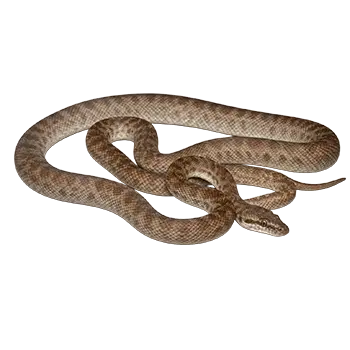

Transitioning to the Juvenile Stage

The juvenile stage in Antaresia pythons begins at approximately three to four months of age and extends until the snake reaches sexual maturity, which typically occurs between eighteen months and three years depending on species, sex, and growth rate. This transition is not marked by a single dramatic event but rather by a gradual shift in the snake's size, behavior, and husbandry needs. By the time a hatchling has been feeding consistently for several months and has undergone multiple complete shed cycles, it is entering the juvenile phase and requires adjustments to its care regimen to support continued healthy development.

Juvenile Antaresia pythons are noticeably more robust than neonates, with most species measuring between twelve and twenty inches by the time they reach the four-month mark. Spotted pythons and Children's pythons tend to grow somewhat faster than Stimson's pythons, while Pygmy pythons remain considerably smaller throughout the juvenile period and may not exceed twelve inches until well past six months of age. Growth rates are influenced heavily by feeding frequency, prey size, and ambient temperatures, and keepers should expect natural variation even among siblings raised under identical conditions.

This period represents a critical window for establishing long-term husbandry routines that will carry through the snake's adult life. Feeding schedules become more defined, handling tolerance continues to develop, and the snake begins to exhibit the behavioral patterns that will characterize its adult temperament. Keepers who invest time and attention during the juvenile stage are rewarded with well-adjusted, reliably feeding adults that are comfortable with routine handling and show minimal stress during husbandry activities such as enclosure cleaning and health inspections.

The juvenile period is also when many keepers begin to see the individual personality of their Antaresia python emerge more clearly. Some juveniles become bold and inquisitive, readily exploring open hands and new environments during handling sessions, while others remain more reserved and prefer the security of their hides. Both temperamental profiles are entirely normal for the genus, and neither should be a cause for concern as long as the snake is feeding well, shedding cleanly, and maintaining appropriate body condition.

Feeding Progression & Prey Sizing

As juvenile Antaresia pythons grow, their prey must be scaled upward to match their increasing body size. The general rule for prey sizing remains consistent throughout the juvenile stage: the prey item should be approximately equal to or slightly larger than the widest point of the snake's body. For most juvenile Antaresia pythons, this means progressing from pinky mice during the late neonatal phase to fuzzy mice and eventually small adult mice or hopper mice as they approach subadult size. Pygmy pythons progress through prey sizes more slowly due to their diminutive adult size and may remain on pinky or fuzzy mice throughout their entire juvenile period.

Feeding frequency during the juvenile stage should be adjusted to approximately once every seven to ten days. The slightly longer interval between meals compared to neonates reflects the juvenile's improved ability to digest larger prey items and its reduced metabolic urgency relative to the rapid growth demands of the neonatal period. Overfeeding juvenile Antaresia pythons is a common husbandry error that leads to obesity, fatty liver disease, and shortened lifespan. A juvenile that maintains a lean, muscular body profile with a gently rounded cross-section is in better long-term condition than one that appears plump or overly filled out.

Most juvenile Antaresia pythons are enthusiastic feeders that strike readily at prey items offered on tongs. This strong feeding response is one of the genus's most appealing characteristics for keepers at all experience levels. However, some individuals may go through temporary periods of reduced appetite, particularly during seasonal changes or pre-shed phases. A juvenile that skips one or two meals during a shed cycle and then resumes feeding normally is behaving within expected parameters and does not require intervention beyond ensuring that husbandry conditions remain optimal.

Transitioning from live to frozen-thawed prey, if not already accomplished during the neonatal period, should be a priority during the juvenile stage. Frozen-thawed prey eliminates the risk of injury from rodent bites, reduces the potential for parasite transmission, and allows for more convenient storage and meal planning. The vast majority of juvenile Antaresia pythons accept frozen-thawed prey without difficulty when it is properly thawed, warmed to body temperature, and presented with gentle movement using feeding tongs. For the occasional stubborn individual, scenting the prey item by rubbing it on a warm surface or briefly placing it in a bag with soiled rodent bedding can improve acceptance.

Enclosure Upgrades & Habitat Design

The small tub enclosure that served the snake well during its neonatal phase will need to be upgraded as the juvenile grows. Timing for the enclosure transition depends on the individual snake's growth rate, but most juvenile Antaresia pythons are ready for a moderately larger enclosure by approximately six to eight months of age. The new enclosure should be large enough to allow for a proper thermal gradient and some room for exploration, but not so large that the juvenile feels exposed and insecure. For most species in the genus, an enclosure measuring approximately twenty-four inches long by twelve inches wide by twelve inches tall is appropriate for the juvenile stage.

Substrate options expand during the juvenile period beyond the paper towel used for neonates. Aspen shavings are a popular and practical choice for juvenile Antaresia pythons, as they maintain an appropriate humidity level for this arid-climate species, allow for natural burrowing behavior, and are easy to spot-clean. Cypress mulch is another acceptable option, though it retains more moisture than aspen and should be monitored to ensure that humidity does not exceed the recommended range for this genus. Avoid cedar and pine shavings entirely, as the aromatic oils in these woods are toxic to reptiles and can cause respiratory damage and neurological symptoms.

The enclosure should include at least two hides, one positioned on the warm end and one on the cool end of the thermal gradient. Having access to secure hiding spots at both temperature extremes allows the juvenile to thermoregulate effectively without sacrificing its sense of security. Hides should be snug enough that the snake can make contact with the walls when coiled inside, as an oversized hide does not provide the same sense of protection. Commercial reptile hides, inverted plastic containers with an entry hole cut in the side, or pieces of cork bark all work well for juvenile Antaresia pythons.

Branching and climbing opportunities are appreciated by juvenile Antaresia pythons, particularly Children's pythons and Spotted pythons, which exhibit semi-arboreal tendencies in the wild. Sturdy branches or dowels positioned at low to moderate heights within the enclosure encourage natural climbing and perching behavior. Even the more terrestrial Stimson's python will occasionally utilize elevated perches, particularly in the evening when these snakes become most active. A shallow, sturdy water dish that the growing juvenile cannot easily tip over completes the essential furnishings.

Behavioral Development & Temperament

Juvenile Antaresia pythons undergo significant behavioral maturation as they transition from the defensive wariness of the neonatal period to the calm confidence that characterizes well-socialized adults of this genus. Regular handling during the juvenile stage plays a central role in this development. Sessions of ten to fifteen minutes, conducted three to four times per week, allow the juvenile to become thoroughly accustomed to human contact. Over time, most juveniles cease all defensive behavior and will rest calmly in the keeper's hands, drape over the wrist, or explore the keeper's arms and shoulders with quiet curiosity.

Activity patterns become more defined during the juvenile period. Antaresia pythons are primarily crepuscular and nocturnal, and juvenile individuals will establish consistent routines of resting in their hides during the day and emerging in the evening hours to explore, thermoregulate, and hunt. Keepers who observe their juveniles during the evening will often see the snake slowly patrolling the perimeter of its enclosure, investigating scents, and positioning itself in ambush postures near potential prey pathways. This behavior is a healthy expression of the species' natural hunting strategy and should not be mistaken for stress-related pacing.

Juvenile Antaresia pythons may occasionally display feeding responses during handling, particularly if the keeper's hands carry residual warmth or scent from food preparation or contact with other animals. A juvenile that strikes at a hand is almost always responding to a sensory cue rather than expressing aggression. Washing hands thoroughly before handling and avoiding sessions immediately after working with other animals or handling food significantly reduces the incidence of misdirected feeding strikes. These events, while startling, are not physically harmful given the small jaw size of juvenile Antaresia pythons and should not discourage continued socialization efforts.

Some juvenile Antaresia pythons develop preferences for specific handling routines and may show subtle signs of recognition of their keeper's approach. While attributing complex cognitive recognition to pythons would be an overstatement, the snake's ability to distinguish between the calm, predictable approach of a regular handler and an unfamiliar or sudden approach is well documented in the herpetological community. This learned tolerance is one of the most rewarding aspects of working with juvenile Antaresia pythons and is a direct result of consistent, respectful interaction throughout the growth period.

Shedding & Skin Health

Juvenile Antaresia pythons shed their skin frequently during periods of active growth, with intervals between sheds ranging from three to six weeks depending on feeding rate and individual growth speed. Each shed cycle follows a predictable sequence: the snake's coloration dulls, the eyes become opaque or bluish (a phase commonly called being in blue), the eyes clear after several days, and the actual shed occurs one to three days after the eyes clear. During the pre-shed period, juveniles typically refuse food and may become more reclusive and defensive. This behavior is normal and should be accommodated by leaving the snake undisturbed until the shed is complete.

Maintaining appropriate humidity during the shed cycle is essential for juvenile Antaresia pythons, even though this genus originates from arid environments and does not require the high ambient humidity associated with tropical species. A temporary humidity increase to 60 to 70 percent during the pre-shed and active shedding phase helps ensure that the skin separates cleanly in a single piece. This can be achieved by lightly misting one area of the enclosure, placing a damp paper towel inside the warm-side hide, or providing a dedicated humidity box filled with damp sphagnum moss that the snake can enter and exit voluntarily.

The shed skin itself provides valuable diagnostic information about the juvenile's health. A complete, intact shed that includes clear eye caps and an undamaged tail tip indicates good hydration and proper environmental conditions. Conversely, a shed that comes off in multiple fragments, is dry and brittle, or retains eye caps suggests inadequate humidity, chronic low-level dehydration, or the presence of ectoparasites such as snake mites. Retained shed material should be removed carefully using a damp cloth or a brief soak in lukewarm water, taking care not to pull forcefully on any skin that is still partially attached.

Snake mites are an ectoparasitic concern that can affect juvenile Antaresia pythons, particularly those housed in collections with multiple animals or those acquired from sources with less rigorous husbandry practices. Mites appear as tiny black or reddish-brown dots that move across the snake's scales and congregate around the eyes, heat pits, and vent area. An infested juvenile may soak excessively in its water dish, exhibit restless behavior, and produce fragmented sheds. Treatment involves treating both the snake and the enclosure environment simultaneously, and a veterinary consultation is recommended to ensure that the chosen treatment product is safe and effective for the size and age of the juvenile.

Health Monitoring & Common Concerns

Routine health monitoring during the juvenile stage involves regular observation of feeding behavior, shed quality, body condition, and activity patterns. Keeping a simple log that records feeding dates, prey size, shed dates, shed quality, and body weight provides an invaluable longitudinal record that can reveal gradual trends before they become overt problems. Weighing the juvenile on a small digital gram scale every two weeks is one of the most effective tools for tracking growth and detecting early signs of illness, as unexplained weight loss is often the first measurable indicator of a developing health issue.

Respiratory infections remain a concern during the juvenile stage, though the risk decreases as the snake grows and its body mass provides a greater buffer against environmental fluctuations. The symptoms are the same as in neonates: audible breathing, nasal discharge, open-mouth breathing, and reduced appetite. Juvenile Antaresia pythons housed in environments that are chronically too cool, too humid, or poorly ventilated are at the greatest risk. Treatment requires veterinary-prescribed antibiotics, and husbandry conditions must be corrected simultaneously to prevent recurrence after the infection is resolved.

Inclusion body disease is a serious viral condition that affects pythons and boas and can manifest during the juvenile stage. Symptoms include chronic regurgitation, abnormal body posture such as stargazing (holding the head in an unnaturally elevated position), loss of coordination, and inability to right the body when turned upside down. Inclusion body disease is currently incurable and ultimately fatal, and affected individuals pose a transmission risk to other snakes in a collection. Any juvenile displaying neurological symptoms should be isolated immediately and examined by a reptile veterinarian to determine the cause.

Obesity is an often-overlooked health concern in juvenile Antaresia pythons. Because these snakes are enthusiastic feeders and readily accept food at almost every opportunity, well-intentioned keepers sometimes feed too frequently or offer prey that is too large. A juvenile Antaresia python in proper body condition has a gently rounded cross-section without visible fat deposits along the spine or a distinctly triangular appearance when viewed from above. Reducing feeding frequency to once every ten days and ensuring prey size is appropriate are the most straightforward corrections when a juvenile is trending toward excessive weight.

Preparing for Adulthood

As juvenile Antaresia pythons approach the twelve to eighteen month mark, they enter a transitional phase where their growth rate begins to slow and their care requirements start to align more closely with those of adult animals. Feeding frequency can be gradually extended to once every ten to fourteen days, and prey size should stabilize at a level appropriate for the snake's now nearly adult body diameter. For Children's pythons and Spotted pythons, this typically means adult mice or small rats. For Stimson's pythons and Pygmy pythons, adult mice or even large fuzzy mice may be the maximum appropriate prey size throughout the rest of the snake's life.

The final enclosure transition for species that will reach three to four feet in adult length should be planned during the late juvenile stage. An adult Antaresia python does well in an enclosure measuring approximately thirty-six inches long by eighteen inches wide by eighteen inches tall, though larger is acceptable as long as sufficient hiding opportunities and visual barriers are provided. Setting up the adult enclosure while the snake is still in its late juvenile phase and transferring it once the environment has been tested and stabilized prevents the stress of an abrupt change during the sensitive transition to adulthood.

Sexual maturity is reached at different ages depending on species, sex, and individual growth rate. Male Antaresia pythons generally mature earlier than females, with some males becoming sexually mature as early as eighteen months of age, while females typically do not reach maturity until two to three years. As juveniles approach sexual maturity, keepers may notice behavioral changes including increased restlessness in males during the cooler months and a subtle thickening of the body in females. These changes are normal indicators of approaching adulthood and do not require any specific intervention unless the keeper intends to pursue a breeding program.

Keepers who have established consistent handling routines, reliable feeding schedules, and stable environmental conditions throughout the juvenile stage will find that the transition to adult care is seamless. A juvenile Antaresia python that has been well socialized, maintained in proper body condition, and housed in an appropriate environment enters adulthood as a calm, predictable, and rewarding captive snake. The investment of time and attention during the juvenile period pays dividends across the two to three decades of potential lifespan that a well-cared-for Antaresia python can achieve in captivity.

Always consult a qualified professional before making any health-related decisions. This content is provided for informational reference only and should not replace professional guidance specific to your animal.