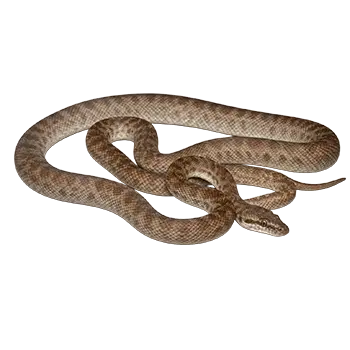

Successful breeding of Antaresia pythons begins with selecting healthy, genetically unrelated adults that have reached full reproductive maturity. Male Antaresia pythons generally become sexually mature between eighteen months and two years of age, while females typically require two and a half to four years to reach breeding condition depending on species and individual growth rate. Attempting to breed animals that have not reached full maturity, particularly undersized females, carries significant risks including egg binding, nutritional depletion, and failure to produce viable clutches. A female Antaresia python should have reached at least two-thirds of her expected adult length and be in robust body condition before she is considered a breeding candidate.
Assessing breeding condition involves evaluating body weight, muscle tone, and overall health status in both prospective parents. Females should carry adequate fat reserves to sustain them through the period of follicle development, ovulation, and egg production, during which most females reduce or cease feeding entirely. Males should be in lean, active condition without signs of obesity, which can reduce reproductive vigor and sperm quality. Both animals should be free of respiratory infections, parasitic burdens, and any chronic health conditions that could be exacerbated by the physical demands of the breeding process.
Genetic considerations are an important aspect of responsible Antaresia python breeding. The four species within the genus, Children's pythons, Spotted pythons, Stimson's pythons, and Pygmy pythons, should not be intentionally hybridized despite their close phylogenetic relationship. Hybrid offspring complicate species identification, muddle captive population genetics, and may display unpredictable combinations of parental traits that make accurate husbandry recommendations difficult. Breeders should maintain accurate lineage records and verify species identity through reliable morphological assessment or, when available, genetic testing.
Before initiating a breeding attempt, the keeper should have a realistic plan for the resulting offspring. Antaresia python clutches can produce anywhere from three to fifteen hatchlings depending on species and female size, and each of these animals will require individual housing, feeding, and eventual placement in a permanent home. Responsible breeding includes securing prospective buyers or homes for offspring before the eggs are even laid, ensuring that every hatchling produced has a destination where it will receive proper lifelong care.