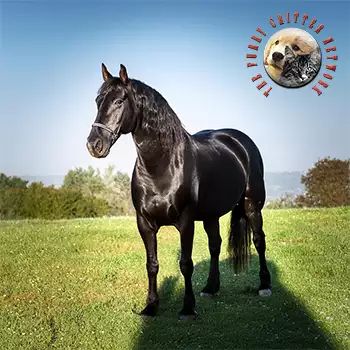

Defining the onset of the senior years in a Percheron is not as straightforward as marking a calendar date. While many equine professionals consider horses to be senior at around 18 to 20 years of age, individual Percherons may show signs of aging earlier or later depending on their genetics, lifetime workload, injury history, and the quality of care they have received. Some Percherons remain robust and active well into their mid-twenties, while others begin showing age-related changes in their mid-teens.
The transition to senior status is usually gradual rather than abrupt. Early signs may include a slight loss of topline muscle, a tendency to move more stiffly in the first few minutes of exercise, subtle changes in coat quality such as graying around the eyes and muzzle, and a modest decline in the ability to maintain body condition on the same diet that previously kept the horse in good weight. These changes individually may be easy to overlook, but taken together they signal the beginning of a new management phase.
Recognizing that your Percheron is entering its senior years is an opportunity rather than a cause for alarm. Early adjustments to diet, exercise, dental care, and veterinary monitoring can significantly extend the horse's comfortable, productive years. Many senior Percherons continue to perform light work, serve as reliable driving horses, or mentor younger horses well into their twenties when their evolving needs are met with attentive care.
Work with your veterinarian to establish a senior care baseline, including comprehensive blood work, a thorough dental examination, and a musculoskeletal evaluation. These baseline values become the reference point for tracking changes over time and allow early detection of age-related conditions before they become advanced.