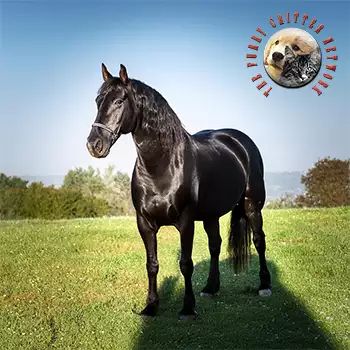

A mature Percheron in its prime years, generally between five and fifteen years of age, is an impressive animal capable of sustained physical work and remarkable endurance. Maintaining peak health during this period requires a proactive approach that addresses the specific demands placed on large draft horses. Routine veterinary care, consistent management practices, and attentive daily observation form the pillars of a sound health maintenance program.
Annual or semi-annual veterinary wellness examinations should include a thorough physical assessment, dental evaluation, and discussion of vaccination and deworming schedules appropriate to your region. Blood work can establish baseline values for organ function and metabolic health, providing a reference point for comparison should illness arise later. Percherons, due to their size, can sometimes mask subtle signs of illness that would be more apparent in lighter horses, making regular professional evaluations particularly valuable.
Parasite management has evolved significantly in recent years, moving away from rotational deworming schedules toward targeted treatment based on fecal egg counts. This approach reduces unnecessary chemical exposure, slows the development of drug-resistant parasite populations, and ensures that horses with genuinely high parasite burdens receive appropriate treatment. Work with your veterinarian to establish a fecal monitoring program tailored to your Percheron's living conditions and exposure risk.
Vaccination protocols should be customized based on geographic location, travel frequency, and exposure risk. Core vaccines recommended for all horses include those for tetanus, Eastern and Western equine encephalomyelitis, West Nile virus, and rabies. Additional risk-based vaccines may be warranted depending on your circumstances. Your veterinarian is the best resource for designing a vaccination schedule that balances protection with minimal unnecessary intervention.