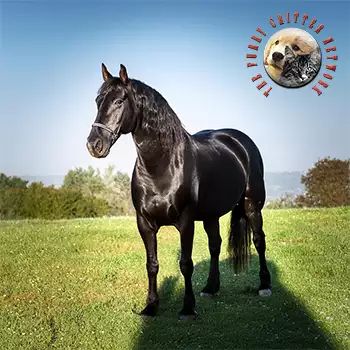

The Percheron's juvenile period encompasses an extraordinary transformation. From a leggy, somewhat awkward weanling, the young horse gradually fills out into the powerful, well-proportioned frame that defines the breed. Percherons are among the slower-maturing draft breeds, often not reaching their full adult size until four to six years of age. Understanding this extended growth timeline is essential for making sound decisions about nutrition, exercise, and the introduction of work.
During the first two years, growth is rapid and uneven. A young Percheron may appear higher in the hindquarters than the withers for extended periods, then seemingly grow into balance overnight. This is normal and reflects the alternating growth spurts typical of equine development. Regular body condition scoring and weight estimation help ensure the young horse is growing steadily without becoming either too lean or excessively heavy.
Bone and joint development deserve particular attention in draft breeds. The growth plates in a Percheron's legs close later than those of lighter breeds, and premature stress on immature skeletal structures can lead to lasting damage. Avoid any form of heavy work, prolonged concussion on hard surfaces, or repetitive impact activities until the horse is sufficiently mature. Your veterinarian can advise on growth plate status through physical examination and, when warranted, radiographic assessment.
Hoof growth and conformation should be monitored closely during this period. Regular farrier visits, typically every six to eight weeks, ensure the feet are trimmed properly and any developing imbalances are corrected early. Draft breed hooves are large and fast-growing, and neglected feet during the juvenile period can contribute to long-term soundness issues.