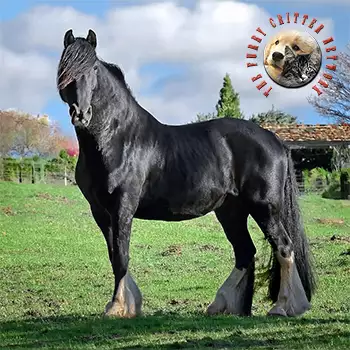

Recognizing when an Irish Draught is approaching the end of its life requires careful observation and an honest assessment of the horse's daily experience. The breed's stoic and uncomplaining nature can make this recognition particularly difficult, as Irish Draughts often endure significant discomfort without dramatic outward signs. Owners who have known their horse for many years are best positioned to detect the subtle shifts that signal a meaningful decline in well-being.
Physical signs that the end of life may be approaching include chronic, unmanageable pain despite treatment, progressive inability to rise or lie down comfortably, severe and irreversible weight loss, loss of interest in food or water, recurrent infections that no longer respond to treatment, and difficulty breathing. Any one of these signs alone may be manageable, but the accumulation of multiple declining indicators typically points to a trajectory that cannot be reversed.
Behavioral changes are equally important to monitor. A horse that withdraws from its herd, stops engaging with its environment, or shows no interest in activities it once enjoyed is communicating something meaningful. Loss of the characteristic Irish Draught curiosity and willingness, replaced by dullness or apathy, is a significant indicator that the horse's quality of life has diminished substantially.
Consultation with your veterinarian is essential when you begin to observe these changes. A professional evaluation can help distinguish between conditions that are treatable and those that have progressed beyond the reach of medical intervention. Your veterinarian can also help you understand the likely trajectory of your horse's condition and what to expect in the coming days or weeks, providing the information you need to make thoughtful, compassionate decisions.