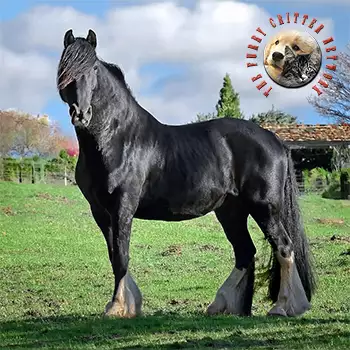

Determining breeding readiness in the Irish Draught involves far more than confirming that a mare or stallion has reached sexual maturity. While mares may begin cycling as early as eighteen months and stallions can produce viable sperm by two years of age, responsible breeding practices for the Irish Draught typically delay first breeding until the mare is at least four years old and the stallion has demonstrated both physical maturity and sound temperament.
A pre-breeding veterinary examination is essential for any mare being considered for reproduction. This evaluation includes a thorough reproductive tract assessment via rectal palpation and ultrasound, uterine culture to screen for infection, and a general health workup to confirm the mare is in suitable condition to carry and deliver a foal. Mares with a history of reproductive issues, metabolic disease, or significant conformational faults should be evaluated especially carefully before breeding decisions are finalized.
Stallion selection for the Irish Draught should prioritize breed type, soundness, temperament, and proven performance. The Irish Draught breed registry maintains standards for stallion approval, and selecting an approved stallion helps ensure that offspring will be eligible for registration and that the breeding contributes positively to the breed's gene pool. Review the stallion's progeny if possible, as the quality of existing offspring is one of the most reliable indicators of breeding value.
Both mare and stallion should be current on vaccinations, free of infectious diseases, and tested for equine infectious anemia before breeding. Mares should be in good body condition, neither overweight nor underweight, and free of any active health concerns. Proper preparation before breeding significantly improves conception rates and reduces the risk of complications during pregnancy and foaling.