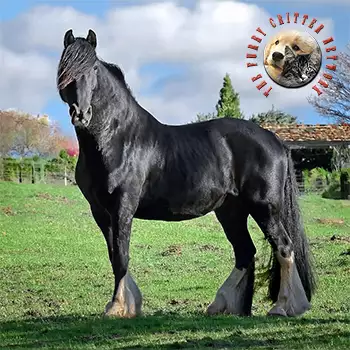

Peak Health Maintenance

The adult Irish Draught, typically between the ages of five and fifteen, is in the prime of its life. During this period, the breed's characteristic strength, soundness, and versatility are on full display. Maintaining peak health requires a proactive approach that combines regular veterinary care, attentive daily management, and an awareness of the breed-specific tendencies that can influence long-term soundness.

Annual veterinary examinations should include a thorough physical assessment, dental evaluation, and discussion of any changes in behavior, performance, or body condition. Blood work may be recommended periodically to screen for metabolic conditions and organ function. The Irish Draught's stoic disposition means that subtle health changes can go unnoticed without deliberate observation, making routine professional evaluations all the more important.

Vaccination and deworming programs should be maintained according to your veterinarian's recommendations and adjusted based on regional disease risk and fecal egg count results. Strategic deworming based on individual parasite burden rather than calendar-based blanket treatment is the current standard of care and helps reduce the development of parasite resistance. Keep detailed records of all treatments and test results.

Daily observation is the most valuable health maintenance tool available. The handler who knows what is normal for their horse is the first to notice when something changes. Monitor appetite, water intake, manure consistency, respiratory rate, and attitude on a daily basis. Subtle shifts in any of these parameters can be early indicators of developing health issues that are far easier to address when caught promptly.

Nutrition at Maturity

The mature Irish Draught has relatively modest nutritional requirements compared to its size, reflecting the breed's evolution as an efficient, easy-keeping farm horse. High-quality forage should constitute the majority of the diet, with concentrates added only as needed to support work level and body condition. Overfeeding the adult Irish Draught is a common pitfall that leads to obesity and its associated complications, including laminitis, metabolic syndrome, and increased joint stress.

Body condition scoring on a regular basis, ideally every two to four weeks, helps ensure the horse is maintaining an appropriate weight. The Irish Draught should carry enough condition to cover the ribs lightly without visible fat pads along the crest of the neck, behind the shoulders, or over the tailhead. Seasonal fluctuations in weight are normal, particularly if the horse has access to pasture, but dramatic swings should be investigated.

Mineral and vitamin supplementation should complement the base diet to address any deficiencies in local forage. Regional soil composition directly affects the mineral content of hay and pasture, and a forage analysis can reveal specific gaps that need to be filled. Salt should be available at all times, either as a free-choice block or added to the feed. Adequate hydration is critical, and a mature Irish Draught can consume ten to fifteen gallons of water per day depending on activity level and environmental conditions.

Adjust the feeding program as the horse's workload changes seasonally. An Irish Draught in regular work may benefit from a moderate amount of concentrate to support energy demands, while the same horse during a rest period may thrive on forage alone. Avoid abrupt dietary changes, as the equine digestive system is sensitive to sudden shifts in feed type or volume, and such changes are a leading cause of colic.

Exercise & Fitness

The Irish Draught excels as a versatile riding and sport horse, and the adult years are when this versatility is best expressed. The breed is capable of performing across multiple disciplines including eventing, show jumping, dressage, hunting, and general pleasure riding. A well-structured fitness program should match the horse's current discipline and competitive level while respecting the physical demands placed on a heavier-boned horse.

Cardiovascular fitness is built through consistent, progressive work that includes a mix of flatwork, hill work, and varied terrain riding. The Irish Draught benefits greatly from hacking out over natural ground, which develops balance, proprioception, and mental freshness in ways that arena work alone cannot achieve. Long, steady rides at walk and trot build the aerobic base that supports more intense efforts.

Strength and suppleness work through correctly executed flatwork helps the Irish Draught carry itself in balance and reduces the risk of strain injuries. Lateral work, transitions, and exercises that encourage the horse to engage its hindquarters and lift through the back are particularly beneficial for a breed that can tend toward forehand heaviness if not ridden with attention to balance. Regular professional instruction helps ensure that training progresses correctly.

Rest and recovery are essential components of any fitness program. The Irish Draught should have regular days off from structured work, and periods of lighter activity should follow intense efforts or competitive outings. Turnout remains important for the adult horse, providing the low-level movement that supports joint health, digestive function, and mental well-being. Monitor for signs of overtraining including loss of enthusiasm, declining performance, or recurring minor injuries.

Preventive Health Care

Preventive care during the adult years is the best investment in the Irish Draught's long-term soundness and quality of life. Dental care is a critical and often underappreciated component. Horses' teeth erupt continuously and develop sharp edges and hooks that can cause pain, difficulty eating, and resistance under saddle. Annual dental examinations and floating by a qualified equine dentist or veterinarian keep the mouth comfortable and functional.

Hoof care on a regular schedule, typically every six to eight weeks, maintains proper balance and prevents the development of issues such as flares, cracks, and uneven loading. The Irish Draught typically has strong, dense hooves, but hoof quality can be compromised by consistently wet or dry conditions, poor nutrition, or neglected trimming schedules. Whether the horse is shod or barefoot depends on its work, footing, and individual hoof characteristics, and this decision should be made in consultation with your farrier and veterinarian.

Skin and coat health reflect overall internal health and should be monitored through regular grooming. The Irish Draught's coat is typically dense and weather-resistant, and changes in texture, excessive hair loss, or the appearance of skin lesions can indicate underlying nutritional deficiencies, hormonal imbalances, or parasitic infestations. Grooming also provides an opportunity to check for lumps, bumps, swelling, or areas of sensitivity that might otherwise go unnoticed.

Eye health is another area that deserves attention. Equine recurrent uveitis and other ocular conditions can develop in any breed, and early detection significantly improves treatment outcomes. Watch for tearing, cloudiness, squinting, or sensitivity to light, and report any changes to your veterinarian promptly. Routine inclusion of an eye check during annual veterinary visits is a simple but important preventive measure.

Behavioral Maturity

The adult Irish Draught is typically a model of behavioral reliability. The breed's hallmark temperament, characterized by calmness, intelligence, and a genuine willingness to work with its handler, is fully expressed during the mature years. This makes the breed an excellent choice for a wide range of riders, from competitive athletes to confident amateurs and even therapeutic riding programs.

Behavioral issues in an adult Irish Draught are almost always rooted in a physical cause, inadequate training foundation, or management problem rather than inherent temperament flaws. A horse that suddenly becomes resistant, spooky, or difficult should be evaluated for pain sources including dental problems, saddle fit issues, musculoskeletal discomfort, or ulcers before behavioral modification is attempted. Addressing the underlying cause typically resolves the behavioral symptom.

Mental stimulation is important for the intelligent Irish Draught. Horses that are kept in monotonous routines with limited turnout and social interaction can develop stable vices including weaving, cribbing, and stall walking. Variety in work, ample turnout time, and social contact with other horses help maintain the breed's characteristically content and cooperative demeanor.

The adult years are also when the Irish Draught's relationship with its regular handler often deepens into a true partnership. The breed is known for its loyalty and its ability to read and respond to its rider's intentions. Investing time in the relationship through consistent, fair handling and positive experiences builds a level of mutual trust and communication that enhances both safety and enjoyment for horse and handler alike.

Hoof & Coat Care

The Irish Draught's hooves are among the breed's most valued structural assets. Bred for generations on the rocky, varied terrain of Ireland, the breed typically produces hard, well-shaped hooves with strong walls and resilient soles. Maintaining this hoof quality requires consistent farrier care, appropriate nutrition, and management of environmental conditions. Prolonged exposure to wet bedding or muddy paddocks softens the hoof wall and sole, increasing vulnerability to thrush, white line disease, and bruising.

Daily hoof picking removes debris and allows for inspection of the sole, frog, and hoof wall. This simple habit catches developing problems early, from a loose shoe to the first signs of an abscess. Pay particular attention to the sulci of the frog, where thrush organisms thrive in trapped moisture and organic material. A clean, dry environment and regular hoof care are the most effective preventive measures against common hoof ailments.

The Irish Draught coat is adapted to the damp, cool climate of its homeland and provides excellent natural protection against the elements. Routine grooming distributes natural oils, removes dead hair and debris, and promotes healthy skin. During seasonal coat changes in spring and fall, more frequent grooming helps manage the substantial volume of hair the breed can produce. Clipping may be appropriate for horses in regular work during winter to prevent excessive sweating and promote efficient cooling.

Bathing should be done sparingly and with gentle, equine-appropriate products. Excessive bathing strips the natural oils from the coat and can lead to dry, irritated skin. Spot cleaning and thorough grooming are usually sufficient to maintain a clean appearance. After any bathing, ensure the horse is thoroughly dried, particularly in cooler weather, to prevent chilling and skin irritation from trapped moisture.

Always consult a qualified professional before making any health-related decisions. This content is provided for informational reference only and should not replace professional guidance specific to your animal.