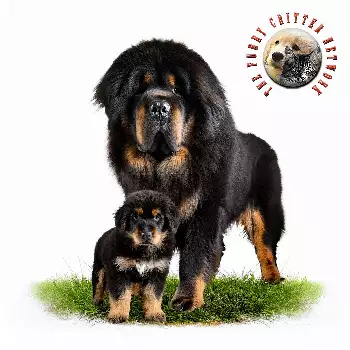

When Does Senior Begin?

Determining when a Tibetan Mastiff enters its senior years is not as straightforward as applying a universal age cutoff. As a giant breed, the Tibetan Mastiff ages faster in absolute terms than smaller dogs, and most veterinary professionals consider giant breeds to enter their senior phase around six to seven years of age. However, the Tibetan Mastiff is somewhat unusual among giant breeds in that it tends to be longer-lived than many of its peers, with a typical lifespan of ten to twelve years. This means that while the senior designation may technically begin around seven, many Tibetan Mastiffs remain vigorous and active well into their eighth or ninth year.

The transition into senior status is gradual rather than sudden. Owners may notice subtle changes before any dramatic decline — slightly less enthusiasm for long walks, a preference for resting in favorite spots rather than patrolling the yard, a few extra moments needed to rise from a lying position, or a slight graying of the muzzle. These early signs do not mean the dog is unwell, but they do signal that the body's systems are beginning to slow and that care routines should begin shifting to accommodate an aging animal.

Regardless of when visible signs appear, veterinary guidelines recommend transitioning to a senior wellness protocol around age seven for giant breeds. This typically means increasing the frequency of veterinary visits from annual to biannual, expanding the scope of routine bloodwork, and beginning to monitor for age-related conditions that are common in the breed. Early detection of changes in kidney function, liver values, thyroid levels, and blood counts allows for interventions that can significantly extend both the length and quality of the dog's remaining years.

Every Tibetan Mastiff ages differently. Genetics, lifetime nutrition, exercise history, body condition, and the quality of veterinary care all influence the pace and character of aging. Some dogs show minimal change until quite late in life, while others begin slowing noticeably in their seventh or eighth year. The most important thing an owner can do is pay attention to the individual dog and respond to what it is communicating through its behavior and physical condition.

Mobility & Joint Health

Joint health is one of the most significant concerns in the aging Tibetan Mastiff. The breed's substantial body weight, combined with a genetic predisposition to hip and elbow dysplasia, means that degenerative joint disease — commonly referred to as osteoarthritis — is a frequent companion of the senior years. Even dogs that showed no signs of joint problems during adulthood may develop stiffness and discomfort as the cartilage within the joints gradually thins and the body's inflammatory response increases.

Early signs of joint discomfort in Tibetan Mastiffs are often subtle. The dog may be slow to rise after lying down, particularly after extended rest or in cold weather. Stairs that were previously navigated without hesitation may now be approached with caution or avoided. The dog may shift its weight away from an affected limb, resulting in a barely perceptible change in gait. Some dogs become less willing to play or may decline activities they previously enjoyed. Recognizing these early signs allows for prompt veterinary evaluation and the initiation of a management plan before significant deterioration occurs.

A multimodal approach to joint health management is most effective. Your veterinarian may recommend joint supplements containing glucosamine and chondroitin, anti-inflammatory medications for flare-ups or chronic pain, and weight management to reduce the mechanical load on compromised joints. Physical rehabilitation, including controlled swimming and gentle range-of-motion exercises, can help maintain muscle mass that supports and stabilizes affected joints. Acupuncture and laser therapy have also shown promise in managing chronic joint pain in dogs.

Environmental modifications at home can make a meaningful difference in a senior Tibetan Mastiff's comfort and mobility. Orthopedic beds that support the dog's considerable weight and cushion pressure points, ramps to replace stairs at entry points, and non-slip flooring in areas where the dog walks and rests all help the aging dog maintain its independence and comfort. These are simple changes that can profoundly improve daily quality of life.

Cognitive Changes

Canine cognitive dysfunction, the veterinary analog to dementia in humans, affects a significant percentage of senior dogs and is an important consideration in aging Tibetan Mastiffs. The condition involves progressive changes in brain function that manifest as behavioral alterations, and while it cannot be cured, early recognition and management can slow its progression and maintain quality of life for an extended period.

The most commonly recognized signs of cognitive dysfunction in dogs include disorientation within familiar environments, altered interactions with family members, changes in sleep-wake cycles, loss of previously reliable house training, and decreased interest in activities or surroundings. A Tibetan Mastiff with early cognitive changes might stand in a corner appearing confused, fail to recognize familiar visitors, wander restlessly at night, or have accidents indoors despite a lifetime of clean habits. These changes can be subtle at first and are sometimes mistaken for normal aging or attributed to other medical conditions.

If you observe behavioral changes that suggest cognitive decline, a veterinary evaluation is important to rule out other medical causes that can produce similar symptoms. Pain, sensory loss, metabolic disease, and urinary tract infections can all mimic cognitive dysfunction and are often treatable. Once other causes have been excluded or addressed, your veterinarian can discuss management strategies for cognitive dysfunction itself, which may include dietary modifications enriched with antioxidants and medium-chain triglycerides, targeted supplements, and in some cases pharmaceutical intervention.

Mental stimulation and environmental enrichment continue to benefit the aging brain. Simple activities like varied walking routes, scent games, food puzzles calibrated to the dog's current ability level, and positive social interaction help maintain cognitive function. Maintaining consistent daily routines provides a framework of predictability that supports a cognitively declining dog, reducing confusion and anxiety. Patience and compassion are essential — the dog is not misbehaving but experiencing a medical condition beyond its control.

Nutrition for Aging

Nutritional needs shift as the Tibetan Mastiff enters its senior years, reflecting changes in metabolism, body composition, and organ function. The aging dog's metabolic rate typically decreases, meaning that maintaining the same caloric intake that was appropriate during the prime adult years will often lead to gradual weight gain. At the same time, the dog's ability to digest and absorb nutrients may decline, and the body's requirements for certain nutrients may change. A senior-specific or large-breed senior diet addresses many of these shifts.

Protein requirements in senior dogs have been a subject of evolving understanding. Older guidelines sometimes recommended protein restriction in aging dogs, but current nutritional science supports maintaining moderate to high-quality protein levels in healthy seniors to preserve muscle mass and support immune function. Muscle loss, known as sarcopenia, is a significant concern in aging giant breeds, and adequate protein intake helps slow this process. However, dogs with confirmed kidney disease may require modified protein levels as directed by a veterinarian.

Joint-supportive nutrients become increasingly valuable in the senior diet. Many senior formulations include glucosamine, chondroitin, and omega-3 fatty acids, which support joint health and may help manage the inflammatory component of osteoarthritis. Antioxidant-rich diets that include vitamins E and C, along with ingredients that support cognitive health such as medium-chain triglycerides, can provide additional benefits for the aging Tibetan Mastiff.

Monitoring body condition and adjusting food intake accordingly is more important than ever during the senior years. Weigh your dog regularly and assess body condition at each weighing. A senior Tibetan Mastiff should remain lean — carrying excess weight accelerates joint deterioration, increases cardiovascular strain, and is associated with reduced lifespan. Conversely, unexplained weight loss in a senior dog warrants prompt veterinary investigation, as it can indicate underlying disease processes including organ dysfunction or cancer.

Increased Veterinary Care

The transition to biannual veterinary examinations is one of the most impactful changes an owner can make when a Tibetan Mastiff enters its senior years. Conditions that develop gradually — kidney disease, liver dysfunction, thyroid imbalances, diabetes, cardiac changes — are far more manageable when caught early, and a six-month interval between examinations provides a much better chance of early detection than an annual schedule. Each visit should include a comprehensive physical examination and expanded bloodwork that evaluates kidney and liver function, blood glucose, thyroid levels, and complete blood counts.

Urinalysis is an often-overlooked but valuable component of senior wellness screening. Changes in urine concentration, the presence of protein or glucose, and evidence of urinary tract infection can all be detected through a simple urinalysis and may provide early warning of conditions that are not yet apparent on physical examination or standard bloodwork. Many veterinary clinics can run urinalysis in-house with results available during the same visit.

Cancer screening becomes an increasingly important part of senior veterinary care. Giant breeds are predisposed to certain cancers, including osteosarcoma, lymphoma, and hemangiosarcoma. While routine screening for cancer in dogs is not as standardized as in human medicine, regular physical examinations allow the veterinarian to detect lumps, masses, or other abnormalities early. Owners should make a habit of routinely feeling their dog's entire body for new lumps or changes in existing ones and reporting any findings promptly.

Dental care does not diminish in importance with age. In fact, the cumulative effects of years of bacterial exposure make the senior dog's mouth a particularly important area of attention. Professional dental cleanings may be needed more frequently, and pre-anesthetic bloodwork helps ensure the aging dog is a safe candidate for the procedure. Untreated dental disease in senior dogs contributes to chronic pain, difficulty eating, and systemic health consequences that compound other age-related challenges.

Quality of Life Assessment

As a Tibetan Mastiff moves deeper into its senior years, ongoing quality of life assessment becomes a central responsibility of ownership. Quality of life is not measured by a single metric but by a holistic evaluation of the dog's daily experience — its comfort, mobility, appetite, engagement with family, ability to enjoy activities it has always valued, and overall demeanor. The goal is to ensure that the dog's life continues to hold more good days than difficult ones.

Several veterinary quality of life scales exist that can help owners evaluate their dog's condition in a structured way. These tools typically assess factors such as pain management, appetite and hydration, hygiene and continence, happiness and mental state, mobility, and the overall balance of good days versus bad. Using such a tool regularly — even weekly — creates a documented record that helps owners recognize gradual changes that might otherwise go unnoticed in the day-to-day rhythm of life with their dog.

Open communication with your veterinarian about quality of life is essential. Your veterinarian can help you interpret the signs you are observing, adjust pain management protocols, recommend supportive care measures, and provide an objective perspective on your dog's condition. These conversations can be emotionally difficult but are a vital part of responsible senior dog care. Your veterinarian is your partner in ensuring that your Tibetan Mastiff's final years are as comfortable and dignified as possible.

Adapting the home environment, adjusting activity levels, managing pain, and maintaining social connection all contribute to sustaining quality of life. A senior Tibetan Mastiff may no longer patrol the yard with the vigor of its prime years, but it can still find deep satisfaction in the companionship of its family, the comfort of a warm bed, and the quiet rituals of daily life. Honoring the dog's changing needs while preserving its dignity is the ultimate expression of the bond between owner and animal.

Always consult a qualified professional before making any health-related decisions. This content is provided for informational reference only and should not replace professional guidance specific to your animal.