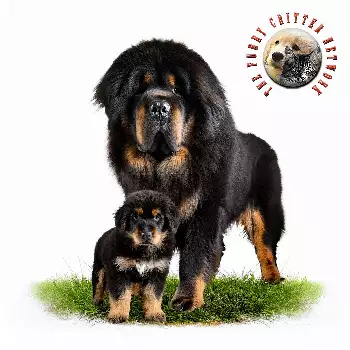

The Tibetan Mastiff is one of the slowest-maturing giant breeds, and the juvenile period reflects this extended developmental timeline. While many medium-sized breeds reach their adult size by twelve months, a Tibetan Mastiff may continue growing in both height and mass until three to five years of age. During the juvenile phase — roughly three months through eighteen months — puppies undergo dramatic physical changes, adding significant bone length, muscle mass, and the beginnings of their iconic dense coat.
Growth in giant breeds is not linear. Tibetan Mastiff puppies may experience growth spurts followed by periods of apparent stagnation. These cycles are normal and should not prompt changes in feeding volume or nutritional supplements unless directed by a veterinarian. Rapid, uncontrolled growth is a particular concern in giant breeds because the skeletal system is under enormous stress during development. Bones that grow too quickly relative to the supporting musculature and connective tissue are more susceptible to developmental orthopedic diseases.
Monitoring body condition during this phase is more informative than fixating on weight alone. A juvenile Tibetan Mastiff should appear lean and athletic rather than round or heavy. You should be able to feel the ribs without pressing hard, and there should be a visible waist when viewed from above. Overconditioning during growth places additional stress on developing joints and has been linked to increased rates of hip and elbow dysplasia in predisposed breeds.
The juvenile coat also begins its transformation during this stage. Puppies shed their soft baby fur and begin developing the dense, weather-resistant double coat that defines the adult Tibetan Mastiff. This transition can look awkward, with patchy shedding and uneven texture, but it is a perfectly normal part of development. Regular brushing during this period helps manage loose fur and accustoms the puppy to grooming routines that will become essential in adulthood.