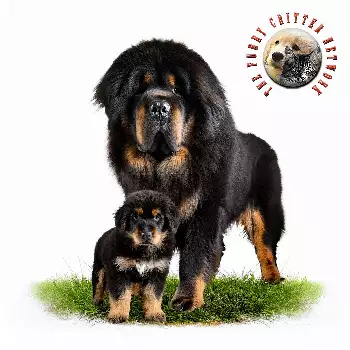

The First 24 Hours

The first day of a Tibetan Mastiff puppy's life is a critical window that sets the stage for everything to come. Tibetan Mastiff litters tend to be relatively small, typically ranging from four to eight puppies, but each newborn is robust compared to many other breeds. Puppies are born with their eyes and ears sealed shut, relying entirely on touch, warmth, and scent to navigate toward the dam. Within the first minutes after birth, the dam should break each amniotic sac, sever the umbilical cord, and vigorously lick each puppy to stimulate breathing and circulation.

Breeder intervention during this period should be calm and minimal unless complications arise. Monitor the dam closely to ensure she attends to every puppy, especially in larger litters where a puppy may be pushed aside. Each puppy should begin nursing within the first one to two hours, as the early colostrum produced by the dam contains vital antibodies that form the foundation of the puppy's immune defense. Weigh each puppy at birth and record the weight, as this becomes the baseline for tracking healthy growth.

Tibetan Mastiffs are known for their strong maternal instincts, and the dam will typically manage her litter with confidence. However, first-time mothers may show uncertainty, so remain nearby and ready to assist without hovering. Ensure the whelping area is draft-free, quiet, and maintained at an appropriate temperature. The first 24 hours are about establishing nursing, ensuring warmth, and confirming that every puppy in the litter is breathing well and gaining access to the dam.

If any puppy appears weak, fails to nurse, or seems excessively cold or limp, immediate intervention is needed. Gently warming the puppy against your body and guiding it to a teat can make the difference between life and loss. Contact your veterinarian if a puppy does not nurse within the first few hours or if the dam shows signs of distress or disinterest.

Nursing & Nutrition

Colostrum is the single most important nutritional resource for Tibetan Mastiff newborns. Produced by the dam during the first 24 to 48 hours after whelping, colostrum is rich in immunoglobulins that provide passive immunity, protecting the puppies from infection during a period when their own immune systems are not yet functional. Every puppy in the litter must receive adequate colostrum during this narrow window, as the intestinal lining loses its ability to absorb these antibodies within roughly the first day of life.

After the colostrum phase, the dam transitions to producing mature milk, which is calorie-dense and specifically designed to fuel the rapid early growth of large-breed puppies. Tibetan Mastiff puppies grow quickly and require consistent access to the dam's milk throughout the day and night. In the first two weeks, puppies will nurse approximately every two hours. Watch for puppies that are consistently pushed off the teat by larger or more aggressive siblings, as unequal access to milk can lead to failure to thrive.

The dam's own nutrition is equally critical during this phase. She is producing milk for a litter of demanding puppies, and her caloric needs may increase dramatically. Provide her with a high-quality, nutrient-dense food formulated for lactating dogs, and ensure fresh water is always available. A poorly nourished dam will struggle to produce sufficient milk, putting the entire litter at risk.

In situations where the dam cannot nurse — whether due to illness, insufficient milk production, or rejection of a puppy — a veterinarian-approved milk replacer becomes necessary. Bottle-feeding or tube-feeding should be done on a strict schedule, closely mimicking the frequency of natural nursing. Never use cow's milk or other household substitutes, as they do not match the nutritional profile canine neonates require and can cause digestive distress.

Developmental Milestones

Tibetan Mastiff puppies progress through a predictable series of developmental milestones during their first several weeks, though as a giant breed, some physical milestones may occur slightly later than in smaller dogs. At birth, puppies are essentially helpless — blind, deaf, and unable to regulate their own body temperature. Their world is defined entirely by warmth, touch, and the scent of the dam. Movement is limited to a slow crawl powered by the front legs, sufficient only to locate a teat.

By the end of the first week, puppies should be noticeably larger than at birth, with healthy weight gain being the most reliable indicator of proper development. Around days ten through fourteen, the eyes begin to open, though vision remains blurry and light-sensitive for several more days. The ear canals open shortly after, typically between two and three weeks of age, introducing the puppies to the world of sound for the first time.

Between three and four weeks, Tibetan Mastiff puppies begin to stand, wobble, and take their first tentative steps. This marks the beginning of a dramatic shift in their interaction with the environment. They start to play with littermates, respond to sounds, and show curiosity about objects and people. Baby teeth begin to emerge, signaling the eventual readiness for weaning. By four to five weeks, puppies are walking with increasing coordination and beginning to explore beyond the whelping box.

The period from five to eight weeks brings rapid cognitive and social development. Puppies learn bite inhibition from their littermates, begin to develop individual personalities, and start forming early associations with humans. For Tibetan Mastiffs, this period is especially important because the breed's natural independence and wariness of strangers begins to take root early. Gentle, positive human interaction during this window lays the groundwork for a well-adjusted adult dog.

Temperature & Environment

Newborn Tibetan Mastiff puppies cannot regulate their body temperature for approximately the first two weeks of life, making environmental control one of the breeder's most important responsibilities. Despite their eventual thick double coats, newborn Tibetan Mastiffs are born with minimal fur and are highly susceptible to chilling. A cold puppy cannot digest milk effectively, leading to a dangerous downward spiral of hypothermia and malnutrition.

The whelping area should be maintained at approximately 85 to 90 degrees Fahrenheit during the first week of life, gradually reducing to around 80 degrees by the end of the second week and 75 degrees by the fourth week. A heat lamp or heating pad designed for whelping use can provide supplemental warmth, but must be positioned so that puppies can move away from the heat source if they become too warm. Overheating is as dangerous as chilling, and puppies should never be trapped against a heat source without an escape route.

The whelping box itself should be large enough to comfortably accommodate the dam and her litter while keeping the puppies contained and safe. Tibetan Mastiff dams are large dogs, and the risk of a puppy being accidentally crushed is real. Many breeders install pig rails — raised bars along the inside walls of the box — to create a safe space where a puppy can avoid being pinned by the dam's body weight. Bedding should be clean, dry, and changed frequently to prevent bacterial buildup.

As the puppies grow and begin to move more actively, the whelping area can be expanded to include a slightly cooler exploration zone adjacent to the warm sleeping area. This encourages natural movement and development while still providing a warm retreat. By the time puppies are four to five weeks old, they are much better at maintaining their own body temperature but still benefit from a consistently comfortable environment.

Early Socialization

Early socialization is profoundly important for Tibetan Mastiffs, arguably more so than for many other breeds. The Tibetan Mastiff was historically bred as a guardian of livestock and property in the Himalayan region, and the breed retains deep-seated instincts toward territorial protectiveness and wariness of strangers. Without careful early socialization, these instincts can develop into excessive suspicion, fear-based reactivity, or aggression toward unfamiliar people and animals.

Socialization begins even before the puppies' eyes open. Gentle handling by the breeder — briefly picking up each puppy, touching paws, ears, and muzzle — introduces positive human contact from the earliest days. This handling should be calm and brief, respecting the dam's comfort level and the puppies' fragile state. As the puppies' senses come online around two to three weeks, gradually introduce mild variations in their environment: soft music, different surface textures beneath their feet, and the scent of other household members.

From three to eight weeks, the socialization window intensifies. Expose the puppies to a variety of people — different ages, voices, and appearances — in a controlled and positive manner. Allow supervised interaction with calm, vaccinated adult dogs to begin teaching canine social skills. Introduce novel but non-threatening stimuli such as gentle household sounds, different flooring surfaces, and safe objects to investigate. Every experience should be paired with calmness and positive association.

It is essential to understand that Tibetan Mastiff puppies will never become gregarious, stranger-loving dogs regardless of socialization efforts. The goal is not to override the breed's nature but to build a puppy's confidence and ability to assess situations without defaulting to fear or aggression. A well-socialized Tibetan Mastiff is discerning rather than reactive, calm rather than anxious, and capable of tolerating the normal flow of human social life.

Health Screening & Vet Visits

A veterinary checkup within the first 48 hours of birth is advisable, particularly for first-time breeders or if any complications occurred during whelping. The veterinarian will assess each puppy for congenital abnormalities such as cleft palate, heart murmurs, or umbilical hernias, all of which can occur in any breed but should be identified early. The dam should also be examined to confirm she has passed all placentas and is recovering well.

During the first few weeks, the breeder serves as the primary health monitor. Daily weighing of each puppy is one of the most effective tools available — consistent weight gain indicates adequate nutrition and health, while stagnation or weight loss is an early warning sign that demands immediate attention. Dehydration, a common and potentially deadly condition in neonates, can be assessed by gently pinching the skin on the back of the neck; it should snap back quickly in a well-hydrated puppy.

Deworming typically begins at two weeks of age and is repeated at regular intervals as directed by your veterinarian. Intestinal parasites are extremely common in puppies and can cause serious illness if left untreated. The first round of vaccinations generally starts between six and eight weeks of age, providing initial protection against distemper, parvovirus, and other dangerous diseases. Your veterinarian will outline a vaccination schedule tailored to your region and circumstances.

Tibetan Mastiffs, like many giant breeds, can be predisposed to certain health conditions including hip dysplasia, elbow dysplasia, and thyroid disorders. While these conditions are typically diagnosed later in life, selecting breeding stock with documented health clearances and maintaining a relationship with a veterinarian familiar with large and giant breeds sets the foundation for proactive health management from the very start.

When to Worry

Knowing when a situation has crossed from normal variation into a genuine emergency is one of the most important skills a Tibetan Mastiff breeder can develop. Newborn puppies are fragile, and their condition can deteriorate rapidly. The most reliable early indicator of trouble is a failure to gain weight. A puppy that loses weight or fails to gain for more than 24 hours needs immediate assessment. While minor fluctuations can occur, a consistent downward trend is a serious red flag.

Persistent crying is another warning sign. Healthy, well-fed puppies spend most of their time sleeping and nursing quietly. A puppy that cries constantly is typically cold, hungry, or in pain. Check the puppy's temperature, attempt to guide it to a teat, and examine it for any visible signs of injury or illness. Conversely, a puppy that is unusually quiet and limp — failing to root for a nipple or respond to touch — may be critically ill and needs veterinary attention immediately.

Watch for signs of fading puppy syndrome, a broad term describing neonates that fail to thrive and gradually weaken despite apparent normalcy at birth. Symptoms include progressive lethargy, inability to nurse, low body temperature, and isolation from the rest of the litter. The causes can range from congenital defects to infections to inadequate maternal care. Early veterinary intervention, including supplemental feeding, warming, and possibly subcutaneous fluids, offers the best chance of survival.

Diarrhea, labored breathing, nasal discharge, and abdominal bloating in neonates are all signs that require prompt veterinary consultation. The dam's health also warrants close monitoring — mastitis, eclampsia, and metritis can all develop in the postpartum period and directly impact her ability to care for her litter. Trust your instincts as a breeder: if something feels wrong, it is better to contact your veterinarian and be reassured than to wait and risk losing a puppy.

Always consult a qualified professional before making any health-related decisions. This content is provided for informational reference only and should not replace professional guidance specific to your animal.