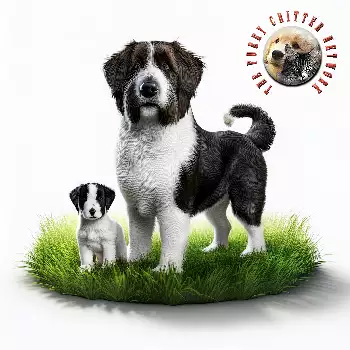

The Stabyhoun is a relatively long-lived breed for its size, with many individuals reaching 13 to 15 years of age. The transition from adulthood to the senior stage is not marked by a single event but rather by a gradual accumulation of changes that signal the body's shift from peak performance to a slower, more deliberate pace. Most veterinarians consider a Stabyhoun to enter the senior category around eight to nine years of age, though individual dogs may show signs of aging earlier or later depending on genetics, overall health, and lifetime care.
The first signs of aging in a Stabyhoun are often subtle and easy to miss. A slight graying of the muzzle, a bit more time needed to stand up after resting, or a reduced enthusiasm for the longest walks may be the earliest indicators. Owners who are attuned to their dog's normal behavior and energy patterns are best positioned to notice these gradual changes and respond with appropriate adjustments to care, diet, and exercise.
Recognizing the onset of the senior years is important because it signals the need for increased veterinary monitoring and proactive health management. Conditions that develop slowly, such as arthritis, organ dysfunction, and dental disease, are most successfully managed when detected early. Transitioning from annual to biannual veterinary examinations is one of the most impactful steps an owner can take as their Stabyhoun enters its golden years.
It is worth noting that reaching senior status does not mean the end of an active, fulfilling life for the Stabyhoun. Many senior Stabyhouns continue to enjoy walks, play, swimming, and engagement with their families well into their later years. The goal of senior care is not to restrict activity but to adapt it thoughtfully, ensuring the dog remains comfortable, stimulated, and content as its needs evolve.