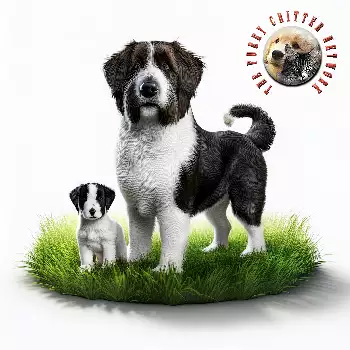

Peak Health Maintenance

The adult Stabyhoun, typically between two and eight years of age, is at the height of its physical capabilities. This is a breed that was built for endurance and versatility in the field, and a healthy adult Stabyhoun should present as a lean, well-muscled dog with bright eyes, a glossy coat, and an alert, engaged demeanor. Maintaining this peak condition requires a proactive approach to health care rather than a reactive one, with the goal of identifying and addressing potential issues before they become serious problems.

Annual veterinary wellness examinations form the cornerstone of adult health maintenance. These visits should include a thorough physical examination, assessment of body condition, dental evaluation, and discussions about any changes in behavior, appetite, or activity level. Routine bloodwork, including a complete blood count and chemistry panel, provides baseline values that can be invaluable for detecting early signs of organ dysfunction or metabolic disease. Heartworm testing and fecal parasite screening should also be performed annually.

Vaccination protocols for adult Stabyhouns are typically adjusted from the more frequent puppy schedule to a maintenance program based on risk assessment. Core vaccines may be administered on a three-year cycle following the initial adult booster, while non-core vaccines such as those for leptospirosis or Lyme disease are given based on geographic risk and lifestyle factors. Flea, tick, and heartworm prevention should be maintained year-round in most climates, as these parasites can transmit serious and potentially fatal diseases.

The Stabyhoun is generally a healthy breed with relatively few breed-specific health concerns compared to many purebred dogs, a testament to the careful stewardship of breed clubs that have prioritized genetic health. However, awareness of conditions that have been documented in the breed, including hip dysplasia, elbow dysplasia, and certain hereditary conditions tracked by breed registries, allows owners to work with their veterinarians to monitor for early signs and take preventive measures where possible.

Nutrition at Maturity

Feeding an adult Stabyhoun is a relatively straightforward endeavor, as the breed does not typically present the food sensitivities or extreme dietary requirements seen in some other breeds. A high-quality adult dog food formulated for medium-sized, active dogs provides the appropriate balance of protein, fat, carbohydrates, vitamins, and minerals to support the Stabyhoun's daily energy needs and long-term health. The specific caloric requirements will vary depending on the individual dog's activity level, metabolism, and body condition.

Most adult Stabyhouns do well on two meals per day, typically fed in the morning and evening. Portion control is important, as the Stabyhoun can be food-motivated and will readily overeat if given the opportunity. Feeding guidelines on commercial dog food packaging provide a useful starting point, but these should be adjusted based on the dog's actual body condition rather than followed rigidly. A dog at ideal weight should have a visible waist when viewed from above and ribs that can be felt easily under a thin layer of fat.

Fresh, clean water should be available at all times. The Stabyhoun is an active breed that can consume significant quantities of water, particularly after exercise or during warm weather. Monitoring water intake can also serve as a health indicator, as sudden increases in thirst may signal conditions such as diabetes, kidney disease, or hormonal imbalances that warrant veterinary evaluation.

Owners who choose to feed raw, home-cooked, or other alternative diets should work closely with a veterinary nutritionist to ensure the diet is complete and balanced. The Stabyhoun's nutritional needs are well-served by properly formulated commercial diets, but owners who prefer alternative feeding approaches can achieve excellent results with proper guidance and regular nutritional assessments.

Exercise & Fitness

The adult Stabyhoun is an athletic, energetic dog that requires daily exercise to maintain physical health and mental well-being. As a breed developed for all-day work in the field, the Stabyhoun has considerable stamina and thrives when given opportunities to run, explore, and engage in purposeful activity. A minimum of one to two hours of exercise per day is generally appropriate for a healthy adult, though individual needs can vary based on age, conditioning, and temperament.

Variety in exercise is key to keeping the Stabyhoun physically fit and mentally stimulated. Long walks and hikes provide steady cardiovascular exercise and allow the dog to engage its keen sense of smell in exploring new environments. Swimming is another excellent option, as the breed's Frisian water dog heritage often translates into a genuine love of water and natural swimming ability. Off-leash running in safely enclosed areas allows the Stabyhoun to reach its full stride and burn energy in a way that leashed walks cannot replicate.

The Stabyhoun excels in a range of organized canine sports and activities that channel its natural abilities. Agility, tracking, nose work, dock diving, and field trials are all pursuits where the breed's athleticism, intelligence, and versatility shine. Participation in these activities provides structured exercise, strengthens the bond between dog and handler, and satisfies the Stabyhoun's need for mental engagement. Even owners who do not compete formally can incorporate elements of these sports into their daily routines through backyard agility setups, scent games, and retrieval exercises.

Rest and recovery are also important components of a fitness routine. While the Stabyhoun is built for sustained activity, overexertion can lead to muscle strain, joint stress, and fatigue-related injuries. Dogs that participate in vigorous activities should have adequate rest days built into their schedules, and owners should monitor for signs of stiffness, limping, or reluctance to exercise that may indicate an underlying injury or overuse issue.

Preventive Health Care

Preventive health care for the adult Stabyhoun extends beyond annual veterinary visits to encompass a range of daily and weekly practices that protect the dog's health over the long term. Parasite prevention is a critical ongoing responsibility. External parasites such as fleas and ticks not only cause discomfort but can transmit serious diseases including Lyme disease, ehrlichiosis, and Rocky Mountain spotted fever. Internal parasites including heartworm, roundworm, and hookworm pose threats that are best managed through consistent preventive medication prescribed by a veterinarian.

Skin and coat health provides a useful window into overall well-being. The Stabyhoun's medium-length coat with its natural water-resistant quality requires regular brushing, ideally two to three times per week, to remove loose hair, distribute natural oils, and allow the owner to inspect for lumps, bumps, parasites, or skin irritation. The feathering on the ears, legs, and tail is prone to matting if neglected and should receive particular attention during grooming sessions.

Ear care is especially important in the Stabyhoun due to its pendant ear shape, which can restrict airflow to the ear canal and create a warm, moist environment conducive to infection. Weekly ear checks and cleaning with a veterinarian-approved solution help prevent the buildup of wax and debris that can lead to bacterial or yeast infections. Signs of ear problems include head shaking, ear scratching, redness, odor, or discharge.

Eye health, nail maintenance, and regular monitoring of body condition round out a comprehensive preventive care routine. The Stabyhoun's nails should be trimmed regularly to prevent overgrowth that can alter gait and cause discomfort. Eyes should be clear and bright, with no excessive tearing, redness, or discharge. Owners who establish these routines as a normal part of daily life with their Stabyhoun create opportunities for early detection of health changes that might otherwise go unnoticed.

Behavioral Maturity

By the age of two to three years, the Stabyhoun reaches full behavioral maturity and settles into the temperament that defines the breed: calm, loyal, affectionate with family, and quietly confident in new situations. The independence that may have presented challenges during adolescence matures into a self-assured disposition that allows the adult Stabyhoun to be comfortable both in the company of its family and during periods of solitude. This balance makes the breed well-suited to a variety of living situations, from active outdoor families to quieter households.

The adult Stabyhoun is typically an excellent family companion with a particular affinity for children. The breed's patience, gentle nature, and playful spirit make it a natural match for families with young members. However, as with any dog, interactions between the Stabyhoun and small children should be supervised, and children should be taught to respect the dog's space, particularly during rest and mealtimes. The Stabyhoun's tolerance has limits, and even the most patient dog deserves the opportunity to retreat when it needs a break.

While the Stabyhoun is not typically aggressive or confrontational, it possesses a watchful nature that makes it an attentive alert dog. The breed will generally announce the arrival of visitors or unusual activity with measured barking but is not prone to excessive vocalization. This alertness is a reflection of the breed's intelligence and environmental awareness rather than anxiety or territorial aggression, and it is a trait that many owners appreciate.

Continued mental stimulation remains important throughout adulthood. The Stabyhoun's intelligence means it benefits from ongoing training challenges, new experiences, and activities that engage its problem-solving abilities. A Stabyhoun that is left without sufficient mental engagement may develop undesirable habits such as digging, excessive barking, or restlessness. Regular training sessions, even brief ones focused on reinforcing known commands or teaching new tricks, keep the adult Stabyhoun's mind sharp and strengthen the bond with its owner.

Dental & Grooming

Dental health is one of the most frequently overlooked aspects of adult dog care, yet it has a significant impact on overall health and quality of life. Periodontal disease affects a substantial majority of dogs by the age of three, and the Stabyhoun is not exempt from this statistic. Bacteria from infected gums can enter the bloodstream and affect the heart, liver, and kidneys, making dental care far more than a cosmetic concern. Regular at-home dental care combined with professional cleanings as recommended by a veterinarian is the most effective approach to maintaining oral health.

Daily tooth brushing with a canine-specific toothpaste is the gold standard for at-home dental care. While many dog owners find daily brushing challenging to maintain, even brushing three to four times per week can significantly reduce plaque and tartar buildup. Dental chews and toys that promote chewing can supplement brushing but should not replace it entirely. Water additives and dental wipes offer additional options for owners who struggle with brushing, though their effectiveness is generally lower than mechanical removal of plaque through brushing.

The Stabyhoun's grooming needs are moderate compared to many breeds but should not be neglected. The breed's coat is designed to be relatively low-maintenance, with a silky texture that resists matting more readily than the coats of many long-haired breeds. Regular brushing keeps the coat in good condition, removes dead hair, and provides an opportunity for the owner to check for skin issues, lumps, or parasites. Bathing should be done as needed rather than on a rigid schedule, as over-bathing can strip the coat of its natural oils and lead to dry, irritated skin.

Professional grooming is generally not required for the Stabyhoun, as the breed's coat is meant to be natural and untrimmed. Some owners may choose to tidy the feathering on the feet and ears or trim excess hair around the paw pads for comfort and cleanliness, but extensive clipping or shaping is neither necessary nor desirable for the breed. The Stabyhoun's natural coat serves important functions including weather protection and temperature regulation, and it should be maintained rather than altered.

Always consult a qualified professional before making any health-related decisions. This content is provided for informational reference only and should not replace professional guidance specific to your animal.