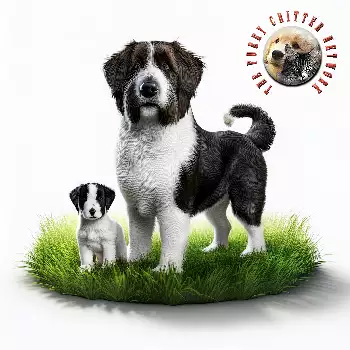

Growth & Physical Development

The Stabyhoun's juvenile period spans roughly from three months to 18 months of age and is marked by dramatic physical transformation. During this window, the lanky, somewhat awkward puppy gradually fills out into the well-proportioned medium-sized sporting dog the breed is known for. Growth in the Stabyhoun tends to be steady rather than explosive, with males typically reaching their full height by around 12 months but continuing to add muscle mass and chest depth until approximately 18 months.

Weight gain should be monitored carefully throughout the juvenile period to ensure the puppy is growing at a healthy rate without becoming overweight. A Stabyhoun that carries excess weight during its growth phase places unnecessary stress on developing joints and bones, which can contribute to orthopedic issues later in life. Regular weigh-ins at veterinary visits and visual assessments of body condition are the most practical ways to track appropriate growth.

The Stabyhoun's distinctive coat also undergoes significant changes during adolescence. The soft, fine puppy coat gradually gives way to the breed's characteristic silky, medium-length adult coat with moderate feathering on the legs, chest, and tail. This transition often involves a shedding phase that can be quite pronounced, and regular grooming during this period helps manage loose hair and keeps the developing coat healthy. Owners should establish a consistent grooming routine early in the juvenile period so the dog becomes comfortable with brushing, nail trimming, and ear cleaning.

Dental development is another notable aspect of the juvenile stage. Stabyhoun puppies lose their baby teeth and gain their permanent adult teeth between approximately four and seven months of age. This teething period can cause discomfort and an increased desire to chew, so providing appropriate chew toys and redirecting the puppy away from household items is essential during this phase.

Nutrition & Diet Transition

Feeding a juvenile Stabyhoun requires thoughtful attention to the changing nutritional demands of a growing medium-sized dog. During the rapid growth phase from three to six months, puppies generally require three meals per day of a high-quality puppy food formulated for medium-breed dogs. The caloric density and nutrient ratios in these formulas are designed to support skeletal development, muscle growth, and immune function without promoting excessive weight gain.

Around six months of age, most Stabyhoun puppies can transition to two meals per day. This shift should be made gradually over the course of a week, increasing the portion size at each remaining meal while eliminating the third. Feeding schedules should be consistent, as the Stabyhoun is a creature of routine and thrives on predictability. Free-feeding, where food is left available at all times, is generally not recommended for this breed, as it can lead to overeating and makes it more difficult to monitor food intake.

The transition from puppy food to adult food typically occurs between 12 and 18 months, depending on the individual dog's growth rate and the veterinarian's recommendation. This change should be made gradually over seven to ten days, mixing increasing proportions of adult food with decreasing proportions of puppy food to avoid digestive upset. The Stabyhoun does not have particularly sensitive digestion compared to some breeds, but abrupt dietary changes can cause loose stool or discomfort in any dog.

Treats play an important role in training during the juvenile period but should be accounted for in the dog's overall daily caloric intake. High-value treats used for training sessions should be small and easily consumed so they do not disrupt the puppy's appetite for regular meals. Fresh fruits and vegetables that are safe for dogs can serve as low-calorie alternatives for reward-based training.

Behavioral Changes

Adolescence brings a wave of behavioral changes that can catch first-time Stabyhoun owners off guard. The breed's natural independence, which is one of its most valued traits in adulthood, often manifests during the juvenile period as selective listening and a testing of boundaries. A Stabyhoun that was reliably responding to commands at four months may suddenly seem to have forgotten everything it learned by seven or eight months. This is a normal developmental phase and not a reflection of the dog's intelligence or the owner's training ability.

Fear periods are another hallmark of canine adolescence, and the Stabyhoun is no exception. These windows, which can occur around eight to eleven weeks and again between six and fourteen months, may cause a previously confident puppy to become wary of new or familiar stimuli. A Stabyhoun in a fear period might suddenly react to an object it has walked past dozens of times or show reluctance to approach strangers. The best response is calm, patient support without forcing the dog to confront the source of its anxiety.

The Stabyhoun's hunting heritage may also become more apparent during adolescence as prey drive begins to emerge. Squirrels, birds, and small animals may trigger intense focus, chasing behavior, and difficulty with recall. This is a natural expression of the breed's sporting instincts, not a behavioral problem, but it does require management and training to ensure safety. Working on a reliable recall in controlled environments with gradually increasing distractions is essential during this period.

Social dynamics with other dogs may also shift during adolescence. A juvenile Stabyhoun that played freely with all dogs as a young puppy may begin to show preferences, establish boundaries, or display minor resource guarding behaviors. Continued positive social experiences with well-mannered dogs of various sizes and temperaments help the adolescent Stabyhoun develop into a socially confident adult.

Training Priorities

Training a juvenile Stabyhoun requires a blend of patience, consistency, and an understanding of the breed's independent temperament. The Stabyhoun is intelligent and capable of learning complex tasks, but it is not a breed that thrives on repetitive drills or heavy-handed correction. Positive reinforcement methods that reward desired behaviors with treats, praise, and play are far more effective with this breed than aversive techniques, which can damage the trust that is central to the Stabyhoun's bond with its owner.

Recall training should be a top priority during the juvenile period. The Stabyhoun's emerging prey drive and independent nature can make reliable off-leash recall challenging, and this foundation must be built early and reinforced consistently. Begin in low-distraction environments such as a fenced yard or quiet indoor space, using high-value rewards to make coming when called the most appealing option available. Gradually increase the level of distraction as the dog demonstrates reliability, but always set the dog up for success rather than testing it in situations it is not yet prepared for.

Leash manners are another essential focus. The Stabyhoun is a strong, active dog that can develop pulling habits if leash skills are not addressed during adolescence. Teaching the dog to walk on a loose leash using reward-based methods creates a pleasant walking experience for both dog and owner and prevents the development of ingrained pulling behaviors that become increasingly difficult to correct in adulthood.

Basic obedience commands such as sit, down, stay, and leave it should be practiced regularly in short, engaging sessions. The Stabyhoun responds best to training that feels like a collaborative activity rather than a series of demands. Incorporating training into daily routines, such as asking for a sit before meals or a down-stay while preparing for a walk, reinforces these behaviors in practical contexts and keeps the dog mentally engaged.

Exercise & Activity

The juvenile Stabyhoun is an energetic and athletic dog that requires regular physical activity to support healthy development and prevent boredom-driven behavioral issues. However, exercise during the growth period must be managed carefully to protect developing bones and joints. High-impact activities such as extended jogging on hard surfaces, repetitive jumping, and vigorous fetch sessions on slippery floors should be limited until the dog's growth plates have closed, which typically occurs between 12 and 18 months.

Appropriate exercise for a juvenile Stabyhoun includes moderate walks, off-leash play in safely enclosed areas, and swimming, which is an excellent low-impact activity that the breed often takes to naturally given its historical association with water retrieval. Play sessions with other appropriately sized and temperamentally matched dogs provide both physical exercise and valuable social interaction. The duration and intensity of exercise should be increased gradually as the dog matures.

Mental stimulation is equally important for the developing Stabyhoun. This is a breed that was developed to be a versatile working dog, and it possesses a sharp mind that needs regular engagement. Puzzle feeders, scent games, and basic retrieving exercises tap into the breed's natural abilities and provide an outlet for mental energy that physical exercise alone cannot satisfy. A bored adolescent Stabyhoun with insufficient mental stimulation is likely to find its own entertainment, often in the form of digging, chewing, or other destructive behaviors.

Structured activities such as puppy agility foundations, tracking exercises, and basic water retrieval work can be introduced during the juvenile period at an age-appropriate level. These activities build confidence, strengthen the bond between dog and handler, and lay the groundwork for more advanced training if the owner chooses to pursue competitive or working activities with their Stabyhoun.

Spay/Neuter Considerations

The decision of when or whether to spay or neuter a Stabyhoun is one that should be made in close consultation with a veterinarian who is familiar with the breed and the individual dog's health profile. Current veterinary research suggests that the timing of sterilization can influence long-term health outcomes, particularly in medium and large breeds where hormones play a role in skeletal development and joint integrity. For the Stabyhoun, many veterinary professionals recommend waiting until the dog has reached physical maturity before proceeding with the surgery.

For male Stabyhouns, delaying neutering until at least 12 to 18 months allows testosterone to support proper bone growth and the development of secondary sexual characteristics such as muscle mass and coat quality. Early neutering has been associated in some studies with an increased risk of certain orthopedic conditions and some types of cancer, though the research is evolving and the specific risks vary by breed and individual. Owners should discuss the most current evidence with their veterinarian to make an informed decision.

For female Stabyhouns, the timing of spaying involves balancing the benefits of reducing the risk of mammary tumors and pyometra against the potential orthopedic and developmental advantages of allowing the dog to experience one or more heat cycles before surgery. The first heat typically occurs between six and twelve months of age in this breed. Managing an intact female requires vigilance during heat cycles, including preventing unwanted breeding and managing the mess and behavioral changes that accompany estrus.

Regardless of the timing chosen, owners should be aware of the behavioral and physical changes that may accompany sterilization. Some dogs experience a temporary decrease in energy or a shift in coat texture following surgery. The Stabyhoun, as a rare breed with a limited gene pool, is also a breed where thoughtful breeding decisions are particularly important to the breed's future, and owners of high-quality specimens may be encouraged by breed clubs to consider participating in responsible breeding programs before sterilizing their dog.

Socialization & Exposure

Continued socialization during the juvenile period is essential for developing a well-adjusted adult Stabyhoun. While the primary socialization window closes around 14 to 16 weeks of age, the experiences a dog has during adolescence continue to shape its confidence, resilience, and social skills. A Stabyhoun that is isolated or under-exposed during the juvenile months may develop fearfulness, reactivity, or difficulty adapting to new environments, even if it had excellent early socialization as a young puppy.

Exposure to a wide variety of environments is particularly important for the Stabyhoun. This breed was developed to work in diverse outdoor settings across the Frisian landscape, and modern Stabyhouns retain a natural curiosity and adaptability that thrives when nurtured through varied experiences. Walks in urban areas, visits to pet-friendly stores, trips to parks and trails, and car rides all contribute to a broad base of positive associations that serve the dog well throughout its life.

Socialization with people of different ages, appearances, and behaviors helps the juvenile Stabyhoun develop into a dog that is comfortable and confident in a wide range of social situations. The breed is naturally friendly but can be reserved with strangers if not given sufficient positive exposure during adolescence. Encouraging calm, positive interactions with visitors to the home and friendly strangers during walks reinforces the Stabyhoun's inherent sociability.

Introduction to other animals, including cats and livestock if relevant to the household, should be conducted carefully and positively during the juvenile period. The Stabyhoun's hunting instincts mean that small animals may initially trigger chase behavior, but with patient training and supervised exposure, most Stabyhouns can learn to coexist peacefully with other household pets. Early and consistent exposure is far more effective than attempting to introduce a mature Stabyhoun to a new species for the first time.

Always consult a qualified professional before making any health-related decisions. This content is provided for informational reference only and should not replace professional guidance specific to your animal.