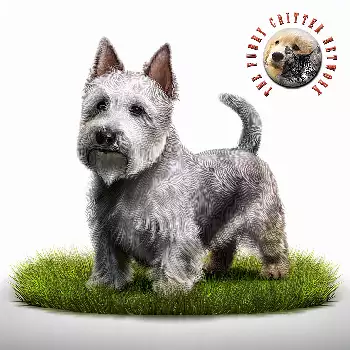

The adult Skye Terrier, typically reaching full maturity between eighteen months and two years of age, enters a period of relative stability that can last well into its eighth or ninth year. During these prime years, the focus shifts from developmental care to maintaining optimal health through consistent routines, preventive measures, and attentive observation. A healthy adult Skye Terrier is an elegant, confident dog with a flowing double coat, bright eyes, and a steady disposition.
Annual veterinary examinations form the cornerstone of adult health maintenance. These visits allow your veterinarian to assess your dog's overall condition, update vaccinations as needed, check for early signs of breed-related health concerns, and establish baselines for bloodwork and other diagnostics that become increasingly valuable as the dog ages. Between veterinary visits, owners should perform regular at-home health checks, including examining the skin beneath the long coat, checking ears for debris or odor, and monitoring weight and body condition.
The Skye Terrier's long, low build makes maintaining a healthy weight especially important throughout the adult years. Even modest excess weight places additional strain on the spine, joints, and ligaments, potentially contributing to intervertebral disc problems or other orthopedic issues. A body condition assessment, where you should be able to feel the ribs easily under a thin layer of fat without seeing them prominently, is a simple tool for monitoring weight at home between veterinary visits.
Parasite prevention should continue year-round in most climates. Flea, tick, and heartworm preventives prescribed by your veterinarian protect against potentially serious health threats. The Skye Terrier's dense coat can make it difficult to spot external parasites visually, making consistent preventive treatment even more important than it might be for shorter-coated breeds.