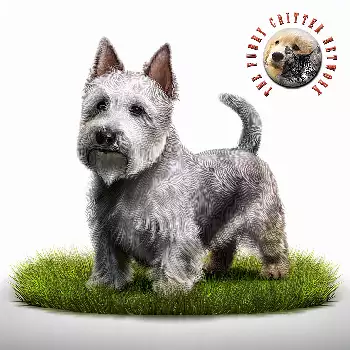

Growth & Physical Development

The Skye Terrier's juvenile period, spanning roughly from three months to around twelve months of age, is marked by steady physical growth and the gradual emergence of the breed's distinctive appearance. During this time, the puppy's elongated body takes shape, and the characteristic long, flat coat begins to develop from the softer puppy fur. Growth rates vary among individuals, but most Skye Terriers reach close to their adult height by eight to ten months, with continued filling out and muscle development continuing past the first birthday.

Because the Skye Terrier is a long-bodied, short-legged breed, particular attention should be paid to skeletal development during this stage. Rapid growth combined with the breed's unique proportions can place stress on the spine and limbs. Avoid activities that involve jumping from heights, navigating steep stairs frequently, or excessive high-impact exercise during the growth period. Controlled, moderate activity supports healthy bone and joint development without overtaxing the developing skeleton.

Regular weight monitoring helps ensure your Skye Terrier is growing at a healthy pace. An adolescent that gains weight too quickly may be at increased risk for orthopedic problems, while one that is underweight may not be receiving adequate nutrition. Your veterinarian can help you assess body condition at each visit and adjust feeding as needed. By the end of the juvenile period, most Skye Terriers will weigh between 25 and 40 pounds and stand approximately nine to ten inches at the shoulder.

The coat transformation during this period deserves particular attention. The adult double coat, consisting of a soft undercoat and a long, straight outer coat, develops gradually and may go through an awkward phase where it appears uneven or patchy. Regular brushing during this transition helps remove loose puppy fur, prevents matting, and accustoms the young dog to the grooming routine it will need throughout its life.

Nutrition & Diet Transition

Feeding your Skye Terrier properly during the juvenile stage provides the building blocks for a healthy adult body. Puppies under six months of age generally do well with three meals per day, transitioning to twice daily feeding between six and twelve months. Choose a high-quality puppy food appropriate for small to medium breeds, as formulas designed for large breeds may not provide the right nutrient ratios for this smaller, uniquely proportioned dog.

Protein and fat levels should be adequate to support growth without promoting excessively rapid weight gain. The Skye Terrier's long back and short legs mean that excess weight during development places disproportionate stress on the spine and joints. Feeding measured portions rather than free-feeding helps maintain a healthy growth rate. Your veterinarian can recommend appropriate daily caloric intake based on your puppy's current weight, growth trajectory, and activity level.

The transition from puppy food to adult food typically occurs between ten and twelve months for the Skye Terrier, though your veterinarian may recommend adjusting this timeline based on your individual dog's development. Make the switch gradually over seven to ten days, mixing increasing proportions of the new food with decreasing amounts of the puppy formula. Abrupt dietary changes can cause digestive upset, which is particularly unpleasant for both the puppy and the household.

Treats are an important training tool during this stage but should account for no more than ten percent of the daily caloric intake. Choose small, low-calorie training treats that the puppy can consume quickly without interrupting the flow of a training session. Fresh water should be available at all times, and food bowls should be washed daily to prevent bacterial buildup.

Behavioral Changes

Adolescence brings a notable shift in the Skye Terrier's behavior as the puppy begins testing boundaries and asserting independence. The breed's natural confidence and strong-willed temperament become more apparent during this period, and behaviors that were manageable in a tiny puppy may become more challenging as the dog grows in size and determination. Understanding that these changes are a normal part of development helps owners respond with patience and consistency rather than frustration.

The Skye Terrier's characteristic loyalty to its primary family deepens during adolescence, which can sometimes manifest as wariness or aloofness toward strangers. This is a breed trait, not a behavioral problem, but it requires careful management. Without continued positive socialization, the natural reserve can tip into suspicion or defensive behavior. Continue providing positive experiences with a variety of people, environments, and situations throughout this period.

Terrior instincts often emerge more strongly during the juvenile stage. You may notice your Skye Terrier becoming more interested in chasing small animals, digging, or investigating burrows and hiding spots. These behaviors reflect the breed's working heritage and provide opportunities for constructive outlets rather than suppression. Puzzle toys, scent games, and supervised exploration can channel these drives productively.

Some adolescent Skye Terriers go through a secondary fear period, typically between eight and eleven months of age. During this time, a previously confident puppy may suddenly show anxiety about objects, sounds, or situations it previously accepted without concern. The best response is calm, matter-of-fact behavior from the owner. Do not force the puppy to confront frightening stimuli, and do not overly coddle the fearful response. Simply provide reassurance through your own relaxed demeanor and allow the puppy to investigate at its own pace.

Training Priorities

Training a Skye Terrier requires an understanding of the breed's independent nature and sensitivity. This is not a dog that responds well to heavy-handed methods or repetitive drill-style training. Positive reinforcement, including food rewards, praise, and play, is the most effective approach. Training sessions should be kept short, engaging, and varied to hold the interest of this intelligent but easily bored breed.

Foundational obedience commands including sit, down, stay, come, and leash walking should be priorities during the juvenile period. The recall command is particularly important for a terrier breed with strong prey drive, as a Skye Terrier that spots a squirrel may quickly decide that chasing is far more rewarding than returning to its owner. Practice recall in low-distraction environments first, gradually increasing the difficulty as the dog's reliability improves, and always make returning to you the most rewarding option available.

Leash training deserves special emphasis with the Skye Terrier. Their long, low body and determined temperament can make them surprisingly strong pullers for their size. Begin leash training early using positive methods, rewarding the puppy for walking at your side without tension on the lead. Harnesses designed for small to medium breeds may provide better control and comfort than traditional collars, particularly during the learning phase.

Housetraining is usually achievable with consistent scheduling, frequent outdoor opportunities, and positive reinforcement. Skye Terriers are generally clean dogs that prefer not to soil their living space, which works in the owner's favor. Establish a regular routine of outdoor trips after meals, naps, and play sessions. Crate training can support housetraining by providing the puppy with a den-like space that it is naturally motivated to keep clean, provided the crate is appropriately sized and never used as punishment.

Exercise & Activity

The juvenile Skye Terrier needs regular exercise to support physical development and burn off adolescent energy, but the type and intensity of activity must be appropriate for the breed's unique build. The long spine and short legs mean that high-impact activities like jumping, agility obstacles involving steep inclines, and extended stair climbing should be minimized until skeletal maturity is reached, typically around twelve to fourteen months of age.

Moderate daily walks are the foundation of an appropriate exercise program. Two to three walks of fifteen to twenty minutes each provide adequate physical activity for most juvenile Skye Terriers, with the duration gradually increasing as the puppy matures. Allow time for sniffing and exploring during walks, as mental stimulation is just as important as physical exercise for this curious, intelligent breed.

Supplemental playtime in a securely fenced yard or safe indoor area provides opportunities for the puppy to run, play, and engage in natural behaviors at its own pace. Interactive games such as fetch with a low-bouncing toy, tug-of-war with appropriate toys, and hide-and-seek with treats satisfy the breed's need for engagement with its owner. Avoid repetitive throwing games that encourage the puppy to twist, leap, or land hard on developing joints.

Mental exercise is essential for the Skye Terrier and can tire the puppy as effectively as physical activity. Puzzle feeders, scent detection games, and short training sessions challenge the dog's mind and reinforce the bond between dog and owner. A mentally stimulated Skye Terrier is far less likely to develop destructive behaviors born from boredom than one whose exercise routine consists solely of physical activity.

Spay/Neuter Considerations

The decision of when to spay or neuter a Skye Terrier should be made in consultation with your veterinarian, taking into account the breed's specific developmental needs. Current veterinary research suggests that allowing small to medium breeds to reach a significant portion of their physical maturity before altering may offer certain health benefits, including more complete skeletal development and potentially reduced risk of certain orthopedic conditions.

For Skye Terriers not intended for breeding, many veterinarians recommend spaying or neutering between nine and twelve months of age, though individual recommendations may vary. Factors including the dog's growth progress, living situation, and whether intact dogs of the opposite sex are present in the household can all influence the optimal timing. Discussing the specific risks and benefits with your veterinarian ensures the decision is tailored to your dog.

The surgical procedure itself is routine and generally well-tolerated by healthy juvenile dogs. Recovery typically takes ten to fourteen days, during which activity should be restricted to prevent the incision from opening or becoming irritated. An Elizabethan collar or recovery suit may be necessary to prevent the dog from licking or chewing at the surgical site. Follow your veterinarian's post-operative instructions carefully regarding pain management, activity restriction, and incision monitoring.

Behavioral changes following spaying or neutering vary among individuals. Some owners notice a reduction in roaming behavior, marking, or inter-dog aggression, while others observe little change. Altering does not fundamentally change the Skye Terrier's personality or breed-typical traits. Any behavioral concerns that exist before the procedure should be addressed through training and management, as surgery alone is unlikely to resolve established behavioral patterns.

Socialization & Exposure

Continued socialization during the juvenile and adolescent period is essential for the Skye Terrier, a breed that naturally tends toward selectivity in its social preferences. While the primary socialization window closes around twelve to fourteen weeks, the experiences a young Skye Terrier has throughout its first year significantly influence its adult temperament. The goal during this stage is to maintain and expand the social foundation built during early puppyhood.

Expose your juvenile Skye Terrier to a wide variety of people, including individuals of different ages, appearances, and mannerisms. Because the breed often bonds deeply with its immediate family and may be cautious around strangers, positive associations with unfamiliar people are particularly important. Allow the dog to approach new people at its own pace, rewarding calm, confident behavior with treats and praise. Never force interactions or flood the puppy with overwhelming social situations.

Exposure to other dogs should be carefully managed. Puppy socialization classes led by experienced trainers provide controlled environments where your Skye Terrier can learn appropriate dog-to-dog communication skills. Choose classes that separate puppies by size and temperament rather than mixing all breeds together, as a negative experience with a much larger or overly boisterous dog can set back socialization progress significantly. Positive interactions with calm, well-socialized adult dogs can also be valuable learning experiences.

Environmental socialization is equally important. Introduce your Skye Terrier to different surfaces, sounds, locations, and situations including car rides, veterinary office visits, outdoor markets, and neighborhood walks along varying routes. Each new experience should be paired with positive reinforcement and conducted at a pace that allows the puppy to remain under its stress threshold. A well-socialized Skye Terrier grows into a confident, adaptable adult that handles the demands of daily life with composure and grace.

Always consult a qualified professional before making any health-related decisions. This content is provided for informational reference only and should not replace professional guidance specific to your animal.