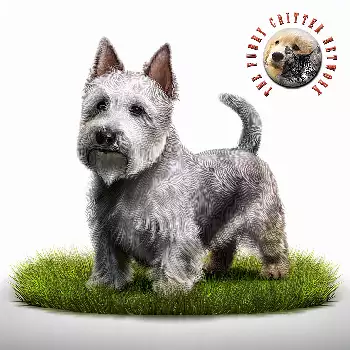

The Skye Terrier, with a typical lifespan of twelve to fourteen years, generally begins the transition into the senior stage around eight to nine years of age. However, the onset of aging varies significantly among individual dogs and is influenced by genetics, lifetime care, overall health, and body condition. Some Skye Terriers remain vigorous and active well past ten years, while others may begin showing subtle signs of aging earlier. Understanding when your individual dog is entering its senior years allows you to adjust care proactively rather than reactively.
Early signs of aging in the Skye Terrier are often subtle and easy to overlook. You may notice that your dog is slightly slower to rise from a resting position, less enthusiastic about long walks, or more inclined to seek warm, soft resting spots. The muzzle may begin to show gray hairs, and the coat texture may change, becoming drier or coarser. These gradual shifts are normal and signal the beginning of a phase that, with appropriate care, can be comfortable and fulfilling for many years.
Once your Skye Terrier enters the senior category, veterinary visits should increase from annual to semi-annual examinations. These more frequent checkups allow your veterinarian to monitor emerging health issues closely and intervene early when treatment is most effective. Senior wellness panels, which include comprehensive bloodwork, urinalysis, and sometimes thyroid screening, provide detailed information about organ function and overall health that is invaluable for guiding care decisions.
The transition to senior status does not mean the end of an active, engaged life for the Skye Terrier. With thoughtful adjustments to diet, exercise, environment, and veterinary care, the senior years can be among the most rewarding for both dog and owner. The deep bond that characterizes this breed often reaches its richest expression in the later years, when the dog's calm devotion and the owner's attentive care create a relationship of quiet mutual understanding.