
Peak Health Maintenance

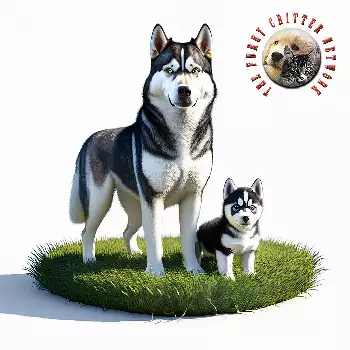
A Siberian Husky in its prime — roughly two to seven years of age — is an athletic, resilient, and generally robust dog. This is the stage of life where the breed's legendary endurance and vitality are on full display, and maintaining that peak condition requires a proactive approach to health rather than a reactive one. The habits and routines you establish during these years will directly influence how gracefully your Husky transitions into its senior phase.

Annual veterinary wellness examinations are the cornerstone of peak health maintenance. Even when a Husky appears perfectly healthy, a thorough physical exam can catch subtle changes in weight, heart rhythm, joint mobility, or dental condition that might otherwise go unnoticed until they become significant problems. Your veterinarian will also use these visits to update vaccinations, review parasite prevention protocols, and discuss any breed-specific screening that may be appropriate.

Siberian Huskies are predisposed to several hereditary conditions that warrant ongoing awareness during adulthood. Progressive retinal atrophy, juvenile cataracts, and corneal dystrophy are among the eye conditions that can appear or progress during the adult years, making annual ophthalmologic screening a wise investment. Hip dysplasia, while less prevalent in Huskies than in some other large breeds, is still a possibility, and maintaining lean body condition is one of the most effective ways to minimize its impact if it is present.

Beyond veterinary care, daily observation is your most powerful tool. You know your dog better than anyone, and subtle changes in energy level, appetite, gait, or behavior are often the earliest indicators that something has shifted. A Husky that suddenly becomes reluctant to jump into the car, shows decreased enthusiasm for walks, or begins drinking noticeably more water deserves a veterinary evaluation even if nothing else seems obviously wrong.

Nutrition at Maturity

Feeding an adult Siberian Husky is an exercise in restraint and observation. This breed's metabolic efficiency, honed through centuries of covering enormous distances on minimal rations, means that adult Huskies typically require fewer calories per pound of body weight than most breeds their size. Overfeeding is one of the most common mistakes owners make, and the consequences — excess weight, joint stress, reduced endurance, and increased disease risk — are entirely preventable.

A high-quality adult dog food with a named animal protein as the primary ingredient is the foundation of good nutrition. The exact amount varies by individual and should be calibrated based on the dog's activity level, body condition, and metabolism rather than solely on the feeding guidelines printed on the bag, which tend to overestimate portions. A Husky in ideal body condition should have a visible waist when viewed from above, and you should be able to feel the ribs easily beneath a thin layer of covering without them being visually prominent.

Many Siberian Huskies are notoriously finicky eaters, and it is not uncommon for a healthy adult Husky to skip meals or show selective interest in food. This can be alarming for owners accustomed to breeds that inhale everything placed before them, but it is generally a normal breed characteristic rather than a cause for concern. Resist the temptation to switch foods frequently or add excessive toppers to entice eating, as this can inadvertently reward pickiness and create a dog that holds out for increasingly elaborate meals.

Fresh water should always be available, and intake tends to increase significantly during warm weather and after exercise. Huskies do not handle heat well, and adequate hydration is essential for thermoregulation. Some owners supplement their Husky's diet with fish oil for coat health or joint supplements for long-term joint maintenance, but any supplementation should be discussed with your veterinarian to ensure appropriate dosing and to avoid interactions with the dog's existing diet.

Exercise & Fitness

The Siberian Husky in its prime years has exercise needs that are significant, non-negotiable, and deeply woven into the breed's identity. These dogs were developed to run for hours across frozen terrain, and that genetic programming does not disappear in a suburban backyard. An adult Husky that does not receive sufficient physical outlet will create its own entertainment, and that entertainment almost always involves digging, escaping, destroying household items, or vocalizing at volumes that strain neighborhood relations.

A baseline of one to two hours of vigorous exercise per day is a reasonable starting point for most adult Huskies, though some individuals with particularly high drive may need more. This should include a mix of sustained aerobic activity — long walks, runs, hikes — and high-intensity bursts like off-leash play in securely fenced areas. Variety matters; a Husky that walks the same route every day will become mentally disengaged, and a bored Husky is a troublesome Husky. Rotate routes, explore new trails, and incorporate activities that challenge both body and mind.

Structured activities that tap into the breed's working heritage are among the most effective exercise outlets. Canicross, bikejoring, skijoring, and recreational mushing provide the combination of sustained effort, teamwork, and purposeful movement that Huskies crave. Even in warmer climates where snow-based activities are not feasible, dryland mushing with wheeled rigs or scooters can provide a similar outlet. Swimming, while not instinctive for all Huskies, is an excellent low-impact exercise option for dogs that take to it, particularly during summer months when heat management is a concern.

Mental exercise deserves equal billing with physical activity. Puzzle feeders, nose work, advanced obedience training, and agility courses all engage the Husky's considerable intelligence in productive ways. A Husky that receives both physical and mental stimulation is a calmer, more contented, and dramatically easier dog to live with than one whose brain is left idle while only its legs get a workout.

Preventive Health Care

Preventive care during the adult years is an investment that pays compounding returns as your Siberian Husky ages. The goal is to catch potential problems early, maintain protective barriers against common diseases and parasites, and establish baseline health data that your veterinarian can reference as the dog matures. A proactive approach during the prime years often translates directly into a longer, healthier, and more comfortable senior phase.

Vaccination boosters should follow the schedule recommended by your veterinarian, which typically includes core vaccines on a three-year cycle after the initial puppy series and first adult booster. Non-core vaccines such as those for leptospirosis, bordetella, or canine influenza may be recommended based on your geographic region, your dog's lifestyle, and potential exposure risks. Discuss with your vet which vaccines are appropriate for your specific situation rather than defaulting to a one-size-fits-all protocol.

Parasite prevention is a year-round commitment in most climates. Heartworm prevention is essential and should never be skipped, as heartworm disease is far easier and less expensive to prevent than to treat. Flea and tick prevention protects against not only the parasites themselves but also the diseases they transmit, including Lyme disease, ehrlichiosis, and anaplasmosis. Regular fecal examinations check for intestinal parasites that may not cause obvious symptoms but can compromise the dog's health and, in some cases, pose zoonotic risks to humans.

Bloodwork panels performed at annual or biannual wellness visits provide an internal snapshot that complements the physical examination. Baseline values for liver enzymes, kidney function, thyroid levels, and blood cell counts become invaluable reference points if health issues arise later. For Siberian Huskies, thyroid function is worth monitoring closely, as hypothyroidism is among the conditions that can develop during the adult years, often presenting with symptoms such as weight gain, lethargy, or coat changes that might otherwise be attributed to aging.

Behavioral Maturity

Somewhere between two and three years of age, most Siberian Huskies begin to show signs of genuine behavioral maturity. The impulsive, boundary-testing adolescent gradually gives way to a more settled — though never sedate — adult dog that has a better understanding of household rules, social expectations, and its own place within the family structure. This transition is neither sudden nor complete; maturity in a Husky is a relative term, and the breed retains a playful, mischievous streak throughout its life.

The adult Husky's independent nature becomes more refined rather than diminished with maturity. Where a juvenile Husky might ignore a command out of impulsive distraction, an adult Husky may evaluate a command and make a deliberate decision about whether to comply. This is not stubbornness in the traditional sense — it is the expression of a working breed's capacity for independent judgment, the same trait that allowed sled dogs to override a musher's command when the trail ahead was unsafe. Understanding this distinction helps owners respond with appropriate strategies rather than escalating into power struggles.

Social dynamics with other dogs often shift during the adult years. Huskies are generally a sociable breed, but adult dogs may become more selective about their playmates and less tolerant of rude behavior from unfamiliar dogs. Same-sex aggression can emerge or intensify, particularly in intact dogs. Monitoring interactions, maintaining socialization, and recognizing that your adult Husky's social preferences may differ from its puppyhood exuberance are all part of responsible management.

The bond between an adult Husky and its family deepens significantly during the prime years. While Huskies are often characterized as aloof or cat-like compared to more demonstratively affectionate breeds, most adult Huskies develop strong, nuanced attachments to their people. They may not be lap dogs, but they will follow you from room to room, position themselves where they can observe family activity, and communicate their needs and emotions through an impressively varied repertoire of vocalizations and body language.

Dental & Grooming

Dental health is one of the most commonly overlooked aspects of adult dog care, and Siberian Huskies are no exception. By the time a dog reaches adulthood, tartar accumulation, gingivitis, and early periodontal disease may already be establishing a foothold if dental care has not been a consistent part of the routine. Periodontal disease is not just a cosmetic concern — the bacteria involved can enter the bloodstream and affect the heart, kidneys, and liver, making dental health a systemic issue rather than merely an oral one.

Daily tooth brushing with a canine-specific toothpaste is the gold standard for dental maintenance, though even a few sessions per week can make a meaningful difference. Dental chews and treats can supplement brushing but should not replace it. Professional dental cleanings under anesthesia, performed by your veterinarian as needed, allow for thorough scaling below the gumline and examination for cracked teeth, abscesses, or other problems that home care cannot address. Discuss an appropriate dental care schedule with your vet at each wellness visit.

Grooming a Siberian Husky is a commitment that demands respect for the breed's extraordinary double coat. The dense, soft undercoat and longer, coarser guard hairs work together as an insulation system that protects against both cold and heat. This coat should never be shaved or clipped short except for medical reasons, as doing so disrupts the coat's thermal regulation and can lead to sunburn, heat sensitivity, and permanent coat texture changes.

Routine grooming involves thorough brushing at least two to three times per week, with daily sessions during the biannual coat blows — the dramatic shedding events that occur in spring and fall when the undercoat releases in enormous quantities. An undercoat rake and a slicker brush are essential tools for managing these seasonal events. Beyond brushing, regular nail trimming, ear cleaning, and inspection of paw pads complete the grooming routine. Huskies are generally clean dogs with minimal body odor, and full baths are typically needed only a few times per year unless the dog has gotten into something particularly messy.

Always consult a qualified professional before making any health-related decisions. This content is provided for informational reference only and should not replace professional guidance specific to your animal.