
Growth & Physical Development

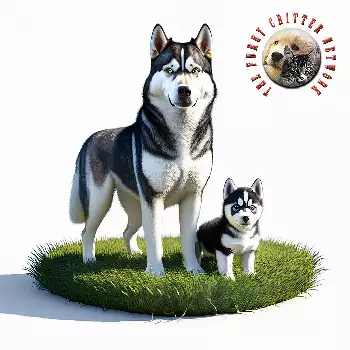
The juvenile period for a Siberian Husky spans roughly from three months to eighteen months of age, and it is a time of remarkable physical transformation. During this stage, your Husky will transition from a roly-poly puppy into a lean, athletic young dog with the unmistakable build of a working sled breed. Growth is rapid but not always uniform — many Huskies go through gangly phases where their legs seem too long for their bodies or their paws appear comically oversized relative to their frame. These awkward proportions are completely normal and will resolve as the dog fills out.

Male Siberian Huskies typically reach their full height by around twelve months but may continue adding muscle and chest depth until they are about eighteen months old. Females tend to mature slightly earlier, often reaching near-adult proportions by ten to twelve months. Adult males generally stand between 21 and 23.5 inches at the shoulder and weigh between 45 and 60 pounds, while females range from 20 to 22 inches and 35 to 50 pounds. Tracking your puppy's growth against breed-typical curves can help identify potential nutrition issues or health concerns early.

During this rapid growth phase, the skeletal system is particularly vulnerable. Growth plates — the soft areas of developing cartilage at the ends of long bones — do not fully close until a Husky is twelve to eighteen months old, and excessive high-impact exercise before closure can cause permanent structural damage. This does not mean your puppy should be sedentary, but activities like forced running on hard surfaces, extended jumping, or pulling heavy loads should be avoided until your veterinarian confirms that growth plates have closed.

The Husky's signature double coat also undergoes significant changes during the juvenile period. Puppies shed their soft, fluffy puppy coat and begin developing the dense undercoat and longer guard hairs of the adult double coat. This transition can result in patchy, uneven fur that looks somewhat ragged, and it is often accompanied by heavy shedding. Regular brushing during this period helps manage loose fur and allows you to monitor the skin beneath for any signs of irritation or parasites.

Nutrition & Diet Transition

Feeding a growing Siberian Husky correctly during the juvenile phase requires balancing the demands of rapid development with the risks of overfeeding. Huskies are metabolically efficient dogs — a trait bred into them over centuries of endurance work in harsh climates — and they tend to require fewer calories per pound of body weight than many other breeds of similar size. Overfeeding a growing Husky does not make the dog bigger; it makes the dog fat, and excess weight during development places dangerous strain on immature joints and bones.

Most Husky puppies should be on a high-quality puppy food formulated for medium to large breeds through at least twelve months of age. These formulas are designed to support steady growth without promoting the excessively rapid bone development that can contribute to skeletal problems. Look for foods where a named animal protein is the first ingredient and that meet the nutritional standards established by recognized feeding trial protocols. Avoid foods that rely heavily on fillers, artificial preservatives, or vague ingredient descriptions.

The transition from puppy food to adult food typically occurs between twelve and eighteen months, depending on the individual dog's rate of maturation. This switch should be made gradually over seven to ten days, mixing increasing proportions of adult food with decreasing amounts of puppy food to avoid digestive upset. Some Huskies have sensitive stomachs, and sudden diet changes can trigger diarrhea, vomiting, or refusal to eat.

Feeding schedules during the juvenile period usually involve three meals per day until about six months of age, then shifting to two meals per day for the remainder of the dog's life. Free-feeding — leaving food available at all times — is generally not recommended for Huskies. Many individuals in this breed are surprisingly self-regulating about food intake, but establishing structured mealtimes supports training, digestion, and weight management. Always ensure fresh water is available, particularly after exercise.

Behavioral Changes

Adolescence in a Siberian Husky is not for the faint of heart. This breed is intelligent, independent, and was selectively bred for thousands of years to make autonomous decisions while running in harness across vast frozen landscapes. When those traits collide with the hormonal surges and boundary-testing of adolescence, the result is a dog that can challenge even experienced owners. Understanding that these behavioral changes are developmentally normal — not defiance for its own sake — is the first step toward navigating them successfully.

One of the most common behavioral shifts during this period is a sudden apparent amnesia regarding previously learned commands. A puppy that had a reliable recall at four months may seem to have completely forgotten the meaning of the word by seven months. This is a well-documented phenomenon in canine development often called the "teenage regression," and it reflects the brain's ongoing reorganization rather than a permanent loss of training. Consistency, patience, and continued positive reinforcement are essential during this frustrating phase.

Siberian Huskies are legendary escape artists, and adolescence is when this talent typically emerges in full force. A bored or understimulated juvenile Husky will dig under fences, climb over barriers, open gates, and exploit any weakness in containment with remarkable creativity. This is not misbehavior in the dog's mind — it is problem-solving, and it is a direct expression of the breed's intelligence and drive. Ensuring that your yard is secure with fences that extend below ground level and that are at least six feet tall is a practical necessity, not an optional precaution.

Increased vocalization is another hallmark of Husky adolescence. This breed is famously vocal, producing a wide range of howls, yips, grumbles, and what can only be described as conversational noises. Adolescent Huskies often become more vocal as they test social boundaries and express frustration or excitement. While this can be entertaining, it can also become problematic in close living quarters. Teaching a "quiet" cue early and rewarding calm behavior can help manage the volume without suppressing the breed's natural expressiveness.

Training Priorities

Training a juvenile Siberian Husky is an exercise in strategic patience. This is a breed that is undeniably intelligent but was not bred for eager-to-please obedience in the way that herding or sporting breeds were. Huskies learn quickly but often evaluate whether compliance is worth their effort, which means that training methods relying on repetition and rigid structure tend to produce diminishing returns. Short, varied, and engaging training sessions that leverage the dog's natural curiosity and energy will be far more productive than long, monotonous drills.

Recall is arguably the single most important command for a Siberian Husky, and it is also one of the most difficult to achieve reliably in this breed. Huskies have an exceptionally strong prey drive and an ingrained desire to run, which means that an off-leash Husky who spots a squirrel or simply feels the urge to sprint may completely disregard even a well-practiced recall command. Many experienced Husky owners and trainers recommend that this breed never be trusted off-leash in unfenced areas, regardless of training level. Building recall as strong as possible is still important, but managing the environment to prevent situations where recall failure could be dangerous is equally critical.

Leash manners deserve focused attention during the juvenile phase. Huskies are bred to pull, and they are extraordinarily good at it. Without early and consistent leash training, walks can become exhausting battles. Front-clip harnesses and structured leash-walking exercises that reward loose-leash behavior can help establish better habits before the dog reaches its full adult strength. Avoid using the leash as a correction tool — Huskies respond poorly to leash pops and other aversive methods, which tend to increase resistance rather than reduce it.

Crate training, impulse control exercises, and basic household manners should also be ongoing priorities. A crate-trained Husky has a safe space to decompress and is far easier to manage during travel, vet visits, or situations where unsupervised freedom would lead to destructive behavior. Impulse control games such as waiting for a release cue before eating, sitting before doors open, or holding a stay while distractions are introduced build the kind of mental discipline that this breed needs to coexist successfully in a domestic setting.

Exercise & Activity

Siberian Huskies are among the most athletic and endurance-oriented breeds in existence, and the juvenile period is when their energy levels truly begin to reveal the scope of what lies ahead. A young Husky that does not receive adequate physical and mental exercise will find ways to burn that energy on its own terms, and those terms almost always involve destruction, escape attempts, or relentless vocalization. Meeting the exercise needs of a juvenile Husky is not optional — it is the foundation of a livable relationship with this breed.

That said, exercise during the juvenile period must be moderated to protect developing joints and growth plates. The general guideline is roughly five minutes of structured exercise per month of age, twice a day, until the dog is fully grown. This means a five-month-old puppy might get two 25-minute walks or play sessions per day. Free play on soft surfaces — grass, dirt, sand — is generally safe and allows the puppy to self-regulate intensity. Avoid forced running, prolonged fetch sessions on hard surfaces, and any activity that involves repetitive jumping or abrupt stops.

Mental exercise is just as important as physical activity for this highly intelligent breed. Puzzle feeders, scent work, training games, and supervised exploration of new environments all help tire a Husky's brain in ways that a simple walk cannot. Many owners find that a fifteen-minute training session leaves their juvenile Husky more satisfied than an hour of aimless walking. Rotating toys and introducing novel challenges keeps the dog engaged and reduces the likelihood of boredom-driven destruction.

As the dog approaches twelve to eighteen months and growth plate closure is confirmed, the scope of physical activity can expand significantly. This is when many Husky owners begin introducing structured activities suited to the breed's heritage, such as canicross, bikejoring, skijoring, or recreational mushing. These outlets channel the Husky's natural drive to run and pull into constructive activities that strengthen the bond between dog and owner while satisfying the breed's deep-seated need for purposeful movement.

Spay/Neuter Considerations

The decision of when — or whether — to spay or neuter a Siberian Husky is one that deserves careful consideration and a thorough conversation with your veterinarian. Traditional recommendations favoring early spay/neuter at six months of age have been increasingly nuanced by emerging research linking the timing of gonadectomy to orthopedic and oncological outcomes, particularly in medium and large breeds. For Siberian Huskies, the implications of this research merit attention.

Studies have suggested that removing sex hormones before growth plate closure — which in Huskies occurs between twelve and eighteen months — may alter the timing of bone development, potentially increasing the risk of certain joint disorders including cranial cruciate ligament tears and hip dysplasia. Some research has also examined possible correlations between early spay/neuter and increased incidence of certain cancers, though the data varies by breed and study design. These findings do not mean that spaying or neutering is harmful, but they do suggest that timing matters.

Many veterinarians now recommend delaying spay/neuter in Siberian Huskies until at least twelve months of age, and some advocate waiting until eighteen months or even later to allow full skeletal maturity. For females, this means the dog will likely experience at least one heat cycle, which requires management to prevent unintended breeding. For males, intact adolescence can bring increased marking, roaming behavior, and same-sex aggression, all of which require attentive management.

Ultimately, the right timing depends on the individual dog's health profile, living situation, and the owner's ability to manage an intact adolescent. Discuss the latest breed-specific research with your veterinarian and make a decision that balances long-term health outcomes with practical considerations. Regardless of when the procedure is performed, responsible pet ownership means ensuring that your Husky does not contribute to unplanned litters.

Socialization & Exposure

The socialization window that began during the neonatal period continues to be critically important throughout the juvenile phase, and for Siberian Huskies, the stakes are particularly high. This is a breed that thrives on social interaction but can develop problematic behaviors — including resource guarding, leash reactivity, and fearfulness toward strangers — if socialization is neglected or mishandled during adolescence. The goal is not simply to expose your Husky to as many stimuli as possible, but to ensure that those exposures are positive, controlled, and confidence-building.

Puppy socialization classes are an excellent starting point for Huskies between eight and sixteen weeks, but socialization should not end when the class does. The juvenile period is when the dog's brain is consolidating its understanding of what is safe and normal in the world, and ongoing exposure to diverse people, animals, environments, and situations is essential. Take your Husky to different neighborhoods, let it experience various floor surfaces and weather conditions, introduce it to people wearing hats, sunglasses, uniforms, and carrying unusual objects. Each positive encounter adds to the dog's library of non-threatening experiences.

Socialization with other dogs requires particular care during adolescence. Juvenile Huskies can be exuberant and sometimes overbearing in their play style, which can provoke negative reactions from other dogs and lead to learning experiences that are counterproductive. Off-leash dog parks can be risky environments for adolescent Huskies because the interactions are uncontrolled and a single bad experience can create lasting fear or aggression. Structured playdates with known, well-matched dogs in controlled settings are a safer and more productive alternative.

Exposure to situations the dog will encounter throughout its life should also be part of the socialization plan. Car rides, grooming sessions, veterinary handling, encounters with bicycles and skateboards, the sounds of thunderstorms and fireworks — all of these are situations where early positive exposure can prevent phobias and anxiety later. For Siberian Huskies, who can be sensitive to certain stimuli despite their bold appearance, taking the time to build positive associations now pays dividends for the lifetime of the dog.

Always consult a qualified professional before making any health-related decisions. This content is provided for informational reference only and should not replace professional guidance specific to your animal.