
Peak Health Maintenance

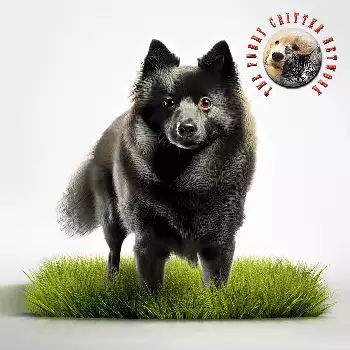
The adult Schipperke, typically reaching full maturity between one and two years of age, is a vibrant and energetic companion that thrives on routine health maintenance. During these prime years, the foundation you laid during puppyhood pays dividends in the form of a well-conditioned, resilient dog. Annual veterinary examinations remain the cornerstone of preventive care, providing an opportunity to catch subtle health changes before they develop into significant problems.

Schipperkes are generally a hardy breed, but they do carry genetic predispositions to certain conditions that warrant monitoring. Mucopolysaccharidosis type IIIB, a lysosomal storage disease, is a known concern in the breed, and responsible breeders screen for it. Legg-Calve-Perthes disease, which affects the hip joint, can also occur in small breeds. Regular veterinary assessments that include palpation of the joints and observation of gait can help detect early signs of orthopedic issues.

Maintain a consistent parasite prevention program that covers fleas, ticks, heartworm, and intestinal parasites. The specific products and schedule should be tailored to your geographic region and your dog's lifestyle. Dogs that spend time outdoors, visit dog parks, or travel with their owners may face higher parasite exposure and benefit from year-round protection.

Keep vaccination records current and follow your veterinarian's recommendations regarding core and lifestyle-based vaccines. Titer testing is an option for owners who prefer to verify immunity levels before administering booster vaccines, and many veterinarians now offer this as part of a personalized preventive care plan.

Nutrition at Maturity

An adult Schipperke's nutritional needs differ from those of a growing puppy, and transitioning to a well-balanced adult maintenance diet supports long-term health. Choose a food formulated for small breeds that lists a high-quality animal protein as the primary ingredient and provides appropriate levels of fat, fiber, vitamins, and minerals. Small-breed formulations account for the faster metabolism typical of smaller dogs.

Portion control is particularly important for Schipperkes, as their compact frames show excess weight quickly. Even a pound or two of extra weight on a dog that should weigh ten to sixteen pounds places meaningful stress on joints, the cardiovascular system, and metabolic function. Use a kitchen scale or measuring cup to ensure consistent portions, and adjust quantities based on your dog's activity level, age, and body condition.

Body condition scoring is a simple tool that helps you assess whether your Schipperke is at an ideal weight. You should be able to feel the ribs easily without pressing hard, and the dog should have a visible waist when viewed from above and a slight abdominal tuck when viewed from the side. If your dog is trending toward overweight, reduce treats, adjust meal portions, and increase activity before the problem compounds.

Fresh water should always be available. Some Schipperkes are enthusiastic drinkers, while others may need encouragement to stay adequately hydrated. Adding a small amount of low-sodium broth to water or offering wet food as part of the diet can help increase fluid intake for dogs that are reluctant drinkers.

Exercise & Fitness

Adult Schipperkes retain the high energy levels and curiosity that define the breed, and they require regular exercise to maintain physical and mental health. A daily routine that includes at least thirty to sixty minutes of moderate activity, broken into two or more sessions, suits most adult Schipperkes well. Walks, play sessions in a securely fenced yard, and interactive games all contribute to a well-exercised dog.

This breed excels at several canine sports that provide both physical exercise and mental challenge. Agility, rally obedience, and nose work are particularly well-suited to the Schipperke's athleticism, intelligence, and desire to work with their handler. Participating in organized activities also strengthens the bond between dog and owner and provides structured socialization opportunities.

Mental exercise is a non-negotiable component of the adult Schipperke's fitness routine. Puzzle feeders, scent detection games, trick training, and rotating toy selections keep the Schipperke's sharp mind engaged. A Schipperke that is physically tired but mentally bored will often find creative and destructive ways to entertain itself, including digging, shredding household items, and orchestrating escape attempts.

Be mindful of weather conditions when planning outdoor activities. The Schipperke's thick double coat provides insulation against cold but can contribute to overheating in warm weather. Schedule summer exercise for early morning or evening hours, provide ample water, and watch for signs of heat distress. In winter, the Schipperke's coat generally provides adequate warmth for moderate outdoor activity, but very young, old, or lean individuals may benefit from a light jacket in extreme cold.

Preventive Health Care

Preventive health care during the adult years is an investment that extends both the quality and length of your Schipperke's life. Annual wellness examinations should include a thorough physical assessment, blood work to establish baseline values, a urinalysis, and a fecal examination. These routine tests can reveal early signs of organ dysfunction, metabolic disorders, or infections that might not yet be producing visible symptoms.

Eye health deserves particular attention in the Schipperke. Progressive retinal atrophy and cataracts have been documented in the breed, and annual ophthalmologic screening can detect changes in the early stages when management options are most effective. Report any changes in your dog's vision, such as bumping into objects in dim lighting or reluctance to navigate stairs, to your veterinarian promptly.

Thyroid function should be monitored as part of routine blood work. Hypothyroidism is relatively common in dogs and can manifest as weight gain, lethargy, coat changes, and skin problems. Early detection allows for straightforward management with daily medication that restores normal thyroid levels and resolves associated symptoms.

Dental disease is one of the most prevalent health issues in small breeds, and the Schipperke is no exception. Professional dental cleanings under anesthesia, combined with regular at-home dental care such as brushing and veterinarian-approved dental chews, help prevent the buildup of tartar and the progression of periodontal disease that can lead to tooth loss, pain, and secondary infections affecting the heart, kidneys, and liver.

Behavioral Maturity

By two to three years of age, most Schipperkes have settled into their adult temperament, though the breed retains a puppy-like exuberance well into middle age. The adolescent testing and impulsiveness of the juvenile period typically give way to a more predictable and cooperative demeanor, provided that consistent training and boundaries have been maintained throughout development.

The adult Schipperke's personality is a distinctive blend of loyalty, alertness, and mischief. They are deeply bonded to their families and often develop a particular attachment to one person, following them from room to room and monitoring household activities with keen interest. This watchful nature makes them excellent alert dogs, though it can also manifest as territorial behavior or excessive barking if not properly managed.

Separation anxiety can develop in adult Schipperkes that have not been gradually acclimated to time alone. Signs include destructive behavior, vocalization, house soiling, and attempts to escape when left by themselves. Building independence through short practice separations, providing enrichment during alone time, and avoiding dramatic departures and arrivals can help prevent or mitigate this condition.

Continued training throughout adulthood reinforces good habits and provides mental stimulation. Even a well-trained adult Schipperke benefits from periodic refresher sessions and the introduction of new commands or tricks. Training keeps the dog mentally sharp, reinforces the owner-dog relationship, and provides a constructive outlet for the breed's considerable intelligence and energy.

Dental & Grooming

The Schipperke's double coat requires regular grooming to maintain its health and appearance. Weekly brushing with a slicker brush and an undercoat rake removes loose fur, prevents matting, and distributes natural skin oils throughout the coat. During seasonal shedding events, often referred to as blowing coat, the Schipperke sheds its undercoat heavily over a period of several weeks. During these times, daily brushing is necessary to manage the volume of loose hair.

Bathing should be done as needed, typically every four to eight weeks, using a mild shampoo formulated for dogs. Over-bathing strips the coat of its natural oils and can lead to dry, irritated skin. After bathing, ensure the thick undercoat is thoroughly dried, as trapped moisture can create an environment conducive to skin infections and hot spots.

Nail trimming should occur every two to three weeks, or as needed to prevent overgrowth. Nails that are allowed to grow too long can alter the dog's gait, cause discomfort, and increase the risk of nail tears or breaks. If you can hear the nails clicking on hard floors, they are overdue for a trim. Many Schipperkes resist nail trimming, so desensitizing the dog to paw handling from a young age and using positive reinforcement during grooming sessions makes the process smoother for both dog and owner.

Dental care is a critical and often overlooked component of grooming. Daily tooth brushing with a canine-specific toothpaste is the gold standard for preventing plaque and tartar accumulation. If daily brushing is not feasible, aim for at least three to four times per week. Regular professional dental cleanings complement home care and allow the veterinarian to assess the teeth and gums below the gum line, where the most damaging periodontal disease occurs.

Always consult a qualified professional before making any health-related decisions. This content is provided for informational reference only and should not replace professional guidance specific to your animal.