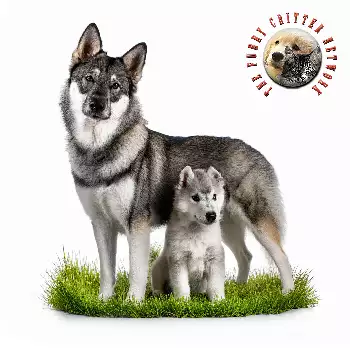

Peak Health Maintenance

The adult Norwegian Elkhound, generally considered fully mature between two and three years of age, enters a period of robust health and vitality that can last well into the dog's eighth or ninth year. This breed is built for endurance and resilience, but maintaining peak condition requires attentive ownership and a proactive approach to health management.

Annual veterinary examinations form the cornerstone of adult health care. These visits should include a thorough physical examination, blood work to establish baseline values, and screening for conditions to which the breed may be predisposed. Norwegian Elkhounds can be susceptible to progressive retinal atrophy, hip dysplasia, and renal issues, so discussing breed-specific screening protocols with your veterinarian is worthwhile.

Weight management is one of the most impactful things an owner can do for an adult Elkhound's long-term health. The breed loves food and will readily overeat if given the opportunity. Maintaining a lean body condition reduces stress on joints, supports cardiovascular health, and has been associated with a longer overall lifespan in dogs. Assess your dog's body condition regularly and adjust food portions accordingly rather than relying on a fixed amount.

Parasite prevention should continue year-round in most climates. Heartworm, flea, and tick preventives are essential, and your veterinarian can recommend the most appropriate products based on your geographic region and your dog's lifestyle. Keep vaccination boosters current according to the schedule your veterinarian recommends.

Nutrition at Maturity

An adult Norwegian Elkhound thrives on a high-quality diet that provides balanced protein, healthy fats, and complex carbohydrates appropriate for a moderately active medium-sized breed. The caloric needs of an adult Elkhound are lower than during the growth phase, and failing to adjust portions downward after the transition to adult food is a common cause of gradual weight gain.

Two measured meals per day is the standard feeding schedule for most adult Elkhounds. Free feeding, where food is left out continuously, is generally not recommended for this breed because of its tendency to overeat. Measuring portions with a kitchen scale or standardized cup ensures consistency and makes it easier to identify changes in appetite that might signal a health issue.

The quality of protein sources matters. Look for foods that list a named animal protein as the first ingredient and avoid formulations that rely heavily on fillers or by-products. Norwegian Elkhounds can develop food sensitivities, so if your dog shows signs of digestive upset, itchy skin, or chronic ear issues, your veterinarian may recommend an elimination diet to identify the offending ingredient.

Supplementation is generally unnecessary when feeding a complete and balanced commercial diet, but there are exceptions. Dogs with joint concerns may benefit from omega-3 fatty acid supplementation, and dogs in heavy work or competition may need caloric adjustments. Always consult your veterinarian before adding supplements to your dog's regimen.

Exercise & Fitness

Adult Norwegian Elkhounds retain the stamina and drive that made them prized hunting companions in Scandinavia for thousands of years. A mature Elkhound needs at least sixty to ninety minutes of vigorous daily exercise to remain physically fit and mentally balanced. Insufficient exercise almost invariably leads to behavioral problems, including destructive chewing, excessive barking, and restless pacing.

Hiking remains one of the best activities for the breed. Elkhounds are surefooted on varied terrain and possess the endurance for long outings. Trail running, skijoring in winter climates, and structured play sessions in a securely fenced yard are all excellent options. The breed's prey drive means that off-leash exercise should only occur in enclosed areas or in locations where reliable recall has been thoroughly proofed.

Swimming can be a valuable low-impact exercise for Elkhounds, particularly during warmer months when the dense double coat makes the dog prone to overheating. Not all Elkhounds take to water naturally, so introduce swimming gradually in shallow, calm environments and always supervise closely.

Mental enrichment should be woven into the daily routine alongside physical exercise. Nose work, advanced obedience, agility foundations, and interactive puzzle toys all engage the Elkhound's considerable intelligence. A tired Elkhound is a well-behaved Elkhound, and the most effective exercise programs address both the body and the mind.

Preventive Health Care

Preventive care during the adult years focuses on catching potential problems early, when they are most treatable. In addition to annual veterinary examinations, consider scheduling a comprehensive blood panel every one to two years to track trends in organ function, blood cell counts, and metabolic markers. Changes in these values over time can reveal developing conditions long before clinical signs become apparent.

Dental health is a frequently overlooked aspect of preventive care. Periodontal disease affects the majority of dogs by age three and can lead to pain, tooth loss, and systemic complications affecting the heart, liver, and kidneys. Establish a home dental care routine that includes regular brushing with a canine-appropriate toothpaste, and discuss professional dental cleanings with your veterinarian as needed.

Eye examinations are particularly relevant for Norwegian Elkhounds given the breed's predisposition to progressive retinal atrophy. Annual or biannual screening by a veterinary ophthalmologist can detect early changes in retinal health. Early identification does not reverse the condition, but it allows owners and veterinarians to plan ahead and monitor progression.

Keep a health journal for your Elkhound that records veterinary visits, vaccination dates, parasite prevention administration, weight checks, and any changes in behavior or appetite. This ongoing record becomes increasingly valuable as the dog ages and provides a comprehensive history that any treating veterinarian can reference.

Behavioral Maturity

By two to three years of age, the Norwegian Elkhound's temperament has largely settled into its adult form. The impulsive adolescent behaviors typically give way to a more measured, confident demeanor, though the breed never fully loses its playful spark or alert watchfulness. Adult Elkhounds are loyal and deeply bonded to their families while maintaining the breed's characteristic independence.

Territorial behavior often intensifies during adulthood. Elkhounds are natural watchdogs and will alert bark at unfamiliar visitors, unusual sounds, and perceived threats to the household. While this vigilance is valued by many owners, it requires management to prevent excessive or nuisance barking. Acknowledge the alert, then redirect the dog with a trained quiet command and reward compliance.

Same-sex dog aggression can develop or become more pronounced in adult Elkhounds, particularly in intact animals. Careful introductions, structured interactions, and awareness of body language help prevent confrontations. If your Elkhound shows escalating reactivity toward other dogs, working with a qualified behaviorist sooner rather than later produces the best outcomes.

The adult Elkhound's independent streak means that ongoing training remains important even after the basics are well established. Regular practice of commands, introduction of new skills, and participation in structured activities reinforce the human-canine bond and give the dog an appropriate outlet for its intelligence and energy.

Dental & Grooming

The Norwegian Elkhound's dense, weather-resistant double coat requires consistent grooming throughout adulthood. A thorough brushing two to three times per week removes loose undercoat, prevents matting, and distributes natural oils that keep the outer coat healthy and water-resistant. During the biannual heavy shedding periods, typically in spring and fall, daily brushing with an undercoat rake becomes necessary to manage the substantial volume of loose fur.

Bathing should be done only when truly necessary, as over-bathing strips the coat of its natural oils and can lead to dry, irritated skin. When a bath is warranted, use a gentle dog shampoo and rinse thoroughly to prevent residue buildup. The dense undercoat can trap moisture close to the skin, so ensure the dog is dried completely, especially in cooler weather.

Nail trimming should occur every two to four weeks, depending on how quickly the nails grow and how much natural wear occurs from activity on hard surfaces. Overgrown nails alter the dog's gait and can lead to discomfort and joint stress over time. If you are uncomfortable trimming nails at home, a groomer or veterinary technician can perform this task.

Dental care at home complements professional cleanings and is one of the most impactful grooming habits an owner can establish. Brushing the teeth several times per week with an enzymatic canine toothpaste significantly reduces plaque and tartar accumulation. Dental chews and toys designed to promote oral health can serve as supplementary tools but should not replace brushing as the primary dental care strategy.

Always consult a qualified professional before making any health-related decisions. This content is provided for informational reference only and should not replace professional guidance specific to your animal.