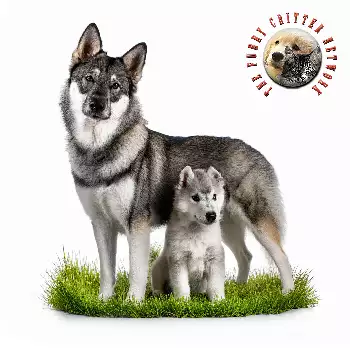

Breeding Readiness

Determining whether a Norwegian Elkhound is ready for breeding involves far more than confirming physical maturity. While females may experience their first heat cycle as early as six to eight months of age, responsible breeders wait until the dog is fully mature, typically no earlier than two years of age, before considering a first breeding. This allows time for the skeletal system to finish developing and for health screenings to be completed and evaluated.

Both the sire and dam should undergo comprehensive health testing before any mating is planned. For Norwegian Elkhounds, recommended evaluations include hip and elbow radiographs assessed by an orthopedic registry, an eye examination by a board-certified veterinary ophthalmologist to screen for progressive retinal atrophy, and a general health assessment including blood work and thyroid function testing. Only dogs that pass these screenings should be considered breeding candidates.

Temperament evaluation is equally important. The Norwegian Elkhound's bold, confident, and loyal character is a defining trait of the breed, and breeding dogs should exemplify these qualities. Dogs that display excessive nervousness, unprovoked aggression, or extreme shyness should not be bred, as temperament has a significant heritable component.

Before committing to a breeding, ensure that you have a clear plan for the resulting puppies. This includes identifying potential homes, understanding the financial commitment of prenatal care, whelping, and puppy rearing, and being prepared to take back any puppy at any point in its life if the new owner is unable to continue care. Responsible breeding is a long-term commitment that extends well beyond the birth of the litter.

The Heat Cycle

Norwegian Elkhound females typically come into heat approximately every six to eight months, though the interval can vary between individual dogs. The estrous cycle consists of four stages: proestrus, estrus, diestrus, and anestrus. Understanding each stage is essential for timing a breeding correctly and recognizing normal reproductive function.

Proestrus lasts roughly seven to ten days and is marked by vulvar swelling and a bloody discharge. The female attracts male attention during this phase but is not yet receptive to mating. As the cycle transitions into estrus, the discharge lightens in color and the female becomes willing to stand for the male. Estrus typically lasts five to nine days, and ovulation generally occurs within the first few days of this phase.

Precise breeding timing can be determined through progesterone testing performed by your veterinarian. Serial blood draws that track rising progesterone levels pinpoint the optimal breeding window with far greater accuracy than behavioral observation alone. This is particularly valuable when coordinating natural breedings that require travel or when using artificial insemination.

Keep the female isolated from unintended males throughout the entire heat cycle, including the early proestrus phase when she may not yet appear receptive. Male dogs can detect a female in heat from considerable distances, and determined males may go to extraordinary lengths to reach her. Secure fencing, leash-only outdoor access, and careful supervision are non-negotiable during this period.

Pregnancy & Gestation

Gestation in the Norwegian Elkhound lasts approximately sixty-three days from the date of ovulation, though puppies may arrive a day or two earlier or later. Pregnancy can be confirmed through ultrasound as early as twenty-five to thirty days after breeding, and radiographs taken around day fifty-five can provide a puppy count by revealing mineralized skeletons.

During the first half of pregnancy, the dam's nutritional needs remain relatively stable, and her regular adult diet is generally sufficient. As the pregnancy progresses into the second half, caloric requirements increase significantly, and most breeders transition the dam to a high-quality puppy food or a performance diet that provides the additional energy and nutrients needed to support fetal development and prepare for lactation.

Exercise should continue throughout pregnancy, but the intensity and duration should be adjusted as the dam's body changes. Moderate walks and gentle play keep the dam fit and support healthy circulation, but avoid strenuous activity, rough play, and situations where the pregnant dog might be jostled or injured. As whelping approaches, the dam will naturally reduce her own activity level.

Watch for signs of complications during pregnancy, including persistent vomiting, vaginal discharge other than the normal clear mucus that may appear late in gestation, lethargy, or loss of appetite that extends beyond the mild decrease common in the last few days before whelping. Contact your veterinarian promptly if anything seems abnormal, as timely intervention can be critical for both the dam and the developing puppies.

Whelping Preparation

Preparation for whelping should begin well in advance of the expected due date. Set up a whelping box in a quiet, low-traffic area of the home at least two weeks before delivery is anticipated so the dam has time to become comfortable in the space. The box should be large enough for the dam to stretch out fully with a low entry point for her easy access and rails along the interior walls to prevent her from accidentally lying on a puppy.

Assemble a whelping kit that includes clean towels, a bulb syringe for clearing airways, hemostats and sterilized scissors for cord management if needed, unwaxed dental floss for tying cords, a digital scale for weighing puppies, a thermometer, and your veterinarian's emergency contact information. Having these supplies organized and within reach eliminates frantic searching during the delivery.

Monitor the dam's rectal temperature twice daily during the final week of gestation. A noticeable drop in temperature, typically below ninety-nine degrees Fahrenheit, usually signals that labor will begin within twelve to twenty-four hours. Other pre-labor signs include nesting behavior, restlessness, panting, refusal of food, and a visible change in the shape of the abdomen as the puppies shift into position.

Establish a relationship with a veterinarian who is experienced with whelping and available for after-hours emergencies before the due date arrives. Norwegian Elkhounds generally whelp without complications, but dystocia can occur in any breed, and having a veterinary professional on standby provides peace of mind and rapid access to help if needed.

Postpartum Care

The first forty-eight hours after whelping are a critical period for both the dam and her newborn puppies. Monitor the mother closely for signs of postpartum complications, including excessive bleeding, foul-smelling discharge, fever, refusal to nurse, or signs of pain. A mild, dark-colored discharge is normal for several weeks following delivery, but any discharge that is bright red, green-tinged, or has a strong odor warrants immediate veterinary attention.

The dam's nutritional demands peak during lactation, and she may require two to three times her normal caloric intake depending on litter size. Offer multiple meals of nutrient-dense food throughout the day and ensure constant access to fresh water. Weight loss during lactation is normal to a degree, but the dam should not become gaunt or appear to lose condition rapidly.

Ensure that all puppies are nursing effectively and gaining weight. Weigh each puppy daily at the same time using a digital scale and record the figures. Newborn Elkhound puppies should gain weight steadily, and any puppy that plateaus or loses weight for more than a day needs evaluation. Supplemental feeding with a veterinarian-approved milk replacer may be necessary for weaker puppies or in very large litters where competition for nipples is intense.

Allow the dam adequate rest while still encouraging brief outdoor breaks for elimination and gentle movement. Most Elkhound mothers are reluctant to leave their puppies for the first few days, so keep outings short and stay nearby. As the puppies grow and become more independent, the dam will naturally begin to spend longer periods away from the whelping box.

Responsible Breeding Ethics

Responsible breeding of Norwegian Elkhounds is guided by a commitment to improving the breed's health, temperament, and structural soundness with each generation. Every breeding decision should be made with the goal of producing puppies that are healthier and more representative of the breed standard than their parents, not simply to produce puppies for sale or to give children the experience of seeing a litter born.

Health testing is the foundation of ethical breeding practice. Reputable breeders invest in the recommended health screenings for their breeding stock and make the results available to puppy buyers. Transparency about health testing results, even when they reveal imperfections, builds trust and advances the breed by allowing informed breeding decisions across the broader population.

Puppy placement requires careful vetting of prospective homes. A responsible breeder interviews potential buyers, asks about their living situation, experience with dogs, and expectations for the puppy, and is prepared to turn away applicants who are not a good match for the breed. Written contracts that include spay or neuter requirements for pet-quality puppies, a health guarantee, and a lifetime take-back clause protect both the puppies and the breed.

The number of litters produced by any individual female should be limited to protect her health and well-being. Most breed clubs and ethical guidelines recommend no more than four to five litters per dam over her lifetime, with adequate recovery time between pregnancies. Retiring a breeding female to a comfortable pet life after her breeding career ends is a hallmark of a conscientious breeder who prioritizes the welfare of the dogs above all else.

Always consult a qualified professional before making any health-related decisions. This content is provided for informational reference only and should not replace professional guidance specific to your animal.