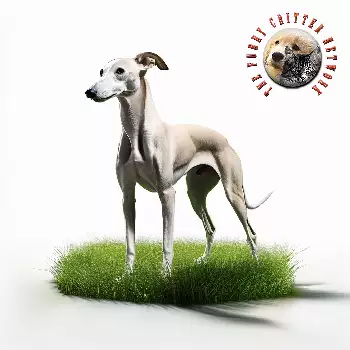

An Italian Greyhound in its prime, generally between two and eight years of age, is a picture of sleek athleticism and alert grace. Maintaining that peak condition requires consistent attention to the fundamentals of good health rather than any single dramatic intervention. Annual wellness examinations give your veterinarian an opportunity to detect subtle changes before they become significant problems, and routine bloodwork can establish baseline values that prove invaluable as the dog ages.
Italian Greyhounds are predisposed to several breed-specific health concerns that warrant monitoring during the adult years. Progressive retinal atrophy, patellar luxation, Legg-Calve-Perthes disease, and autoimmune disorders are among the conditions seen with increased frequency in the breed. Discuss an appropriate screening schedule with your veterinarian based on your dog's individual history and the known health background of its lineage.
Parasite prevention should continue year-round in most climates. Monthly heartworm preventive, along with flea and tick control appropriate for your region, protects against parasites that can cause serious illness. Italian Greyhounds, like other sighthound breeds, may have sensitivities to certain antiparasitic compounds, so always confirm product safety with your veterinarian before administering any new medication.
Keeping your Italian Greyhound at a healthy weight is one of the most impactful things you can do for its long-term health. Even a small amount of excess weight on such a fine-boned frame increases stress on joints and can worsen conditions like patellar luxation. Conversely, being significantly underweight can indicate underlying illness. Aim for a lean, athletic silhouette in which ribs are easily felt beneath a thin layer of tissue and the tuck-up at the abdomen is clearly defined.