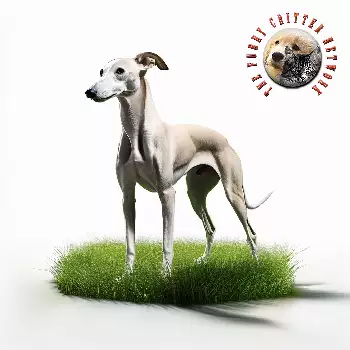

Recognizing the Signs

Recognizing when an Italian Greyhound is approaching the end of its life is one of the most difficult responsibilities an owner faces. The signs are often gradual and can be easy to rationalize away, particularly with a breed that has always been delicate and selective about food and activity. However, there are patterns that, taken together, suggest the body is beginning to fail in ways that treatment can no longer meaningfully reverse.

Persistent loss of appetite or significant weight loss despite a good diet is one of the earliest and most common indicators. An Italian Greyhound that consistently refuses food or shows only fleeting interest in meals it once enjoyed may be experiencing systemic decline. Similarly, progressive withdrawal from social interaction, including reduced interest in greeting family members, seeking affection, or engaging with household activity, can signal that the dog's energy and awareness are fading.

Mobility decline that no longer responds to pain management, difficulty standing or walking, incontinence that was not previously present, labored breathing, and chronic vomiting or diarrhea are all signs that the body's organ systems may be shutting down. In Italian Greyhounds, these symptoms can develop over weeks or appear relatively suddenly depending on the underlying cause.

It is important to view these signs not as isolated incidents but as a trend. A single bad day does not necessarily indicate the end, but a pattern of declining function across multiple areas of daily life deserves a candid conversation with your veterinarian about your dog's trajectory and the options available to support it.

Palliative & Hospice Care

Palliative care focuses on managing symptoms and maintaining comfort rather than curing the underlying condition. For an Italian Greyhound in decline, this may involve pain medication, anti-nausea treatment, appetite stimulants, and environmental modifications that reduce physical demands. The goal is to preserve as much quality of life as possible for whatever time remains.

Work closely with your veterinarian to develop a palliative care plan tailored to your Italian Greyhound's specific needs. Pain management is often the cornerstone of this plan and may include medications, acupuncture, gentle massage, or a combination of approaches. Italian Greyhounds are sensitive to many medications, so dosing and drug selection require careful veterinary oversight. Never administer human pain relievers or adjust doses without professional guidance.

Comfort measures at home play an equally important role. Ensure your Italian Greyhound has access to soft, supportive bedding in a warm, quiet area of the house. Offer favorite foods in small, frequent portions to encourage eating. Keep water within easy reach and assist with mobility if needed by using a sling or gentle lift support. Maintain familiar routines as much as possible, as the predictability provides emotional comfort to a dog that may be confused or anxious.

Hospice care is a philosophy as much as a medical protocol. It centers on the belief that the final period of a pet's life deserves the same attention and tenderness as every phase that came before. For Italian Greyhound owners, whose bonds with their dogs are often exceptionally close, hospice care offers a framework for providing love and dignity during a time that would otherwise feel overwhelming and helpless.

The Decision

The decision to euthanize a beloved Italian Greyhound is among the most painful choices a pet owner will ever make. It is also, in many cases, the most compassionate gift you can offer a dog that is suffering beyond what medical care can alleviate. Understanding that this decision is an act of love, not failure, is essential for navigating the process with clarity and peace.

Timing is the element that causes the most anguish. Many owners fear acting too soon, while others worry about waiting too long and allowing unnecessary suffering. Quality-of-life assessments, ongoing dialogue with your veterinarian, and honest reflection on your dog's daily experience all contribute to making an informed, compassionate choice. Ask yourself whether your dog is still experiencing more good moments than bad, and whether the treatments maintaining its life are also maintaining its comfort.

It can be helpful to establish criteria in advance, while you are thinking clearly, that would indicate the time has come. These criteria might include the inability to eat or drink, uncontrolled pain, loss of the ability to stand, or a sustained absence of the behaviors that defined your dog's personality, such as seeking your company, enjoying warmth, or responding to your voice.

Include family members in the conversation as appropriate, particularly children who may need support in understanding what is happening. There is no single right way to approach this decision, and no timeline that applies to every situation. Trust your knowledge of your Italian Greyhound, lean on the expertise of your veterinary team, and allow yourself the grace to grieve even before the final moment arrives.

The Process

Understanding what happens during euthanasia can help reduce the fear and uncertainty that surround the experience. The procedure is designed to be peaceful, painless, and swift, and knowing what to expect allows you to focus on being present with your dog rather than worrying about the unknown.

In most cases, the veterinarian will first administer a sedative, either by injection or through an intravenous catheter, that causes the dog to become deeply relaxed and drift into unconsciousness. This step ensures that the dog feels no pain or distress during the final injection. For Italian Greyhounds, whose veins can be small and delicate, the veterinarian may use an approach that accommodates the breed's anatomy with minimal handling.

Once the dog is fully sedated and unaware, the veterinarian administers an overdose of an anesthetic agent, typically through an intravenous line. This causes the heart and breathing to stop within seconds. The transition from deep sedation to death is seamless, and the dog experiences no discomfort. You may notice involuntary muscle twitches, a final exhalation, or the release of bladder or bowel contents after death, all of which are normal reflexes and do not indicate consciousness or pain.

Many veterinary clinics offer in-home euthanasia services, which allow the dog to pass in the familiar comfort of its own environment surrounded by the people and scents it has known throughout life. For Italian Greyhounds, who are often deeply bonded to their home and their people, the option of a home goodbye can be a particularly kind choice. Discuss this option with your veterinarian if it is important to you.

Aftercare Options

After your Italian Greyhound has passed, several aftercare options are available, and choosing one in advance can relieve the burden of decision-making during an already emotional time. Your veterinarian can help you understand the choices and make arrangements.

Cremation is the most commonly chosen option and is available in two forms. Communal cremation involves your pet being cremated alongside other animals, with the ashes scattered or disposed of by the cremation facility. Private cremation ensures that your dog is cremated individually and the ashes returned to you, typically within a few days, in an urn or container of your choosing. Some families find comfort in keeping the ashes, scattering them in a meaningful location, or incorporating them into memorial jewelry or artwork.

Home burial is permitted in many areas and can offer a personal, private way to honor your Italian Greyhound's memory. Check local regulations regarding depth, distance from water sources, and property requirements before proceeding. Choose a location that holds meaning and that you expect to have access to for years to come.

Pet cemeteries provide dedicated burial plots with headstones or markers and the assurance of a permanent, maintained resting place. Some families appreciate the formality and the ability to visit a specific location to remember their pet. Memorial options continue to expand and may include custom portraits, paw print impressions taken by your veterinary clinic, donation to a breed rescue in your dog's name, or planting a tree or garden in a favorite spot.

Grief & Healing

The grief that follows the loss of an Italian Greyhound can be profound, all the more so because this breed forms such intensely close bonds with its people. The empty space on the couch, the absence of a small warm body pressed against you at night, and the silence where the click of tiny nails used to be can make the loss feel overwhelming and ever-present.

Grief over a pet is real grief, and it deserves the same respect and space as any other significant loss. Do not let anyone, including yourself, minimize what you are feeling. The relationship between an Italian Greyhound and its owner is built on years of daily companionship, mutual dependence, and unconditional affection. Mourning that relationship is not sentimental or excessive. It is a natural and healthy response to a genuine loss.

Allow yourself to grieve in whatever way feels right. Some people find comfort in talking about their dog, sharing photos, or writing about their memories. Others prefer quiet reflection. Support groups for pet loss, both online and in person, can provide a space where your feelings are understood without judgment. If grief becomes debilitating or persistent, a counselor experienced in pet bereavement can offer professional support.

In time, most people find that the sharpest edges of grief soften into something gentler: a warm gratitude for the years shared and the love exchanged. There is no correct timeline for healing, and there is no obligation to replace your Italian Greyhound or to refrain from doing so. When and whether to welcome another dog into your life is a deeply personal decision that only you can make. Whatever you choose, the bond you shared with your Italian Greyhound remains a permanent and meaningful part of your story.

Always consult a qualified professional before making any health-related decisions. This content is provided for informational reference only and should not replace professional guidance specific to your animal.