
Peak Health Maintenance

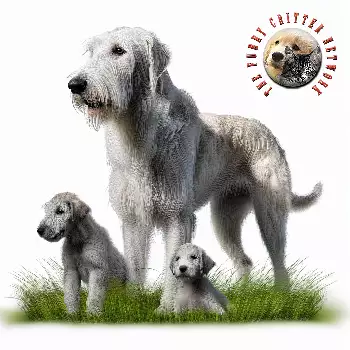
The adult Irish Wolfhound, typically between two and five years of age, is in the prime of its physical life. This is the period when the breed's full majesty is on display — a powerful, graceful giant with a calm demeanor and a deep bond with its family. Maintaining this peak condition requires proactive attention to health rather than a reactive approach that waits for problems to appear. Given the Irish Wolfhound's relatively short lifespan compared to smaller breeds, every year of healthy adulthood is precious and worth protecting.

Annual veterinary examinations are the minimum standard of care during the adult years, and many owners and veterinarians of giant breeds prefer semi-annual visits. These check-ups provide the opportunity to assess cardiac health, joint condition, body weight, and overall organ function through physical examination and baseline bloodwork. Establishing consistent health records over time allows the veterinarian to detect subtle changes that might indicate the early stages of disease.

Cardiac screening deserves particular emphasis in this breed. Irish Wolfhounds have a well-documented predisposition to dilated cardiomyopathy, a condition in which the heart muscle weakens and the chambers enlarge, reducing the heart's ability to pump blood effectively. Regular cardiac evaluations, including auscultation and periodic echocardiography, can detect changes before clinical symptoms appear. Early identification allows for intervention strategies that may extend both the quality and duration of the dog's life.

Bone cancer, or osteosarcoma, is another condition that disproportionately affects giant breeds including the Irish Wolfhound. While there is no reliable screening test for this disease, owners should be aware of the symptoms — persistent lameness, swelling in a limb, or unexplained pain — and seek prompt veterinary evaluation if they occur. Awareness is the most powerful tool available for catching this aggressive cancer at its earliest and most treatable stage.

Nutrition at Maturity

Feeding an adult Irish Wolfhound well means providing a diet that sustains the dog's substantial frame without encouraging excess weight, which places additional strain on joints, the cardiovascular system, and internal organs. A high-quality adult dog food appropriate for large or giant breeds, fed in measured portions based on the dog's ideal body condition rather than the weight printed on the bag, is the foundation of good nutritional management.

Most adult Irish Wolfhounds do well on two meals per day rather than a single large feeding. Dividing the daily ration into two meals helps maintain stable blood sugar levels and reduces the volume of food in the stomach at any one time, which is relevant to bloat prevention — a life-threatening condition to which deep-chested breeds like the Irish Wolfhound are particularly susceptible. Avoiding vigorous exercise immediately before and after meals is another commonly recommended precaution.

Body condition scoring is a more useful metric than scale weight alone for assessing whether an Irish Wolfhound is at a healthy size. The ribs should be easily felt but not prominently visible, the waist should be discernible when viewed from above, and the abdomen should tuck up slightly when viewed from the side. An Irish Wolfhound in proper condition appears lean and athletic rather than heavy or round. Veterinary guidance on body condition assessment helps owners develop an accurate eye for their individual dog.

Fresh water should always be available, and intake should be monitored loosely for significant changes. A sudden increase or decrease in water consumption can be an early indicator of metabolic or organ-related health changes. Treats and table scraps should constitute no more than ten percent of the total daily caloric intake, and foods known to be toxic to dogs — including grapes, onions, chocolate, and xylitol-containing products — must be strictly avoided.

Exercise & Fitness

An adult Irish Wolfhound in good health benefits from regular, moderate exercise that maintains cardiovascular fitness, supports joint health, and provides mental stimulation. Daily walks of 30 to 60 minutes at a comfortable pace are appropriate for most adults, supplemented by opportunities to run freely in a safely enclosed area. Despite their size, Irish Wolfhounds are not high-energy dogs by nature and are typically content with moderate activity levels followed by long periods of rest.

The breed's sighthound heritage means that many Irish Wolfhounds enjoy the opportunity to sprint in short bursts, and lure coursing or informal chase games in a fenced space can provide an exhilarating outlet for this instinct. These brief, intense bouts of running should take place on soft, even ground to minimize joint impact, and the dog should be allowed to warm up with a walk beforehand. Watching an Irish Wolfhound in full stride is a breathtaking experience and a reminder of the breed's original purpose as a coursing hound.

Swimming, where available and safe, is an excellent low-impact exercise option for Irish Wolfhounds. The buoyancy of water supports the dog's considerable weight while providing resistance that builds muscle and cardiovascular endurance. Not all Irish Wolfhounds are natural swimmers, so introductions to water should be gradual and positive, always in calm, shallow areas where the dog can touch the bottom and exit easily.

Consistency in exercise is more beneficial than occasional intense sessions. A dog that receives regular daily activity maintains better muscle tone, joint flexibility, and mental equilibrium than one that is sedentary during the week and overexerted on weekends. Observing the dog during and after exercise for signs of fatigue, lameness, or reluctance provides ongoing feedback about appropriate activity levels as the dog moves through its adult years.

Preventive Health Care

Preventive health care for the adult Irish Wolfhound encompasses vaccinations, parasite control, and proactive screening for breed-specific conditions. Core vaccinations should be maintained on a schedule determined by the veterinarian, with titer testing available as an alternative to automatic re-vaccination in some cases. Non-core vaccines are administered based on the dog's lifestyle and geographic risk factors.

Parasite prevention is a year-round commitment in most climates. Monthly heartworm preventive is essential in areas where this mosquito-transmitted parasite is prevalent, and regular fecal examinations help detect intestinal parasites that may not cause obvious symptoms. Flea and tick prevention protects against direct irritation as well as the numerous diseases these external parasites can transmit, including Lyme disease and ehrlichiosis.

Gastric dilatation-volvulus, commonly known as bloat, is a life-threatening emergency that occurs with heightened frequency in giant, deep-chested breeds. The stomach fills with gas and may twist on its axis, cutting off blood supply and causing rapid systemic shock. Owners of Irish Wolfhounds should be familiar with the symptoms — restlessness, unproductive retching, a distended abdomen, and signs of pain — and understand that immediate veterinary intervention is critical. Prophylactic gastropexy, a surgical procedure that tacks the stomach to the abdominal wall to prevent torsion, is worth discussing with the veterinarian, particularly if the dog is already undergoing anesthesia for another procedure.

Routine bloodwork performed annually or semi-annually establishes baseline values for organ function and allows the veterinarian to track trends over time. Changes in liver enzymes, kidney values, thyroid function, or blood cell counts may appear before clinical symptoms are evident, providing a window for early intervention that can significantly impact outcomes.

Behavioral Maturity

The adult Irish Wolfhound is typically a calm, composed, and deeply affectionate companion. The breed is known for its gentle nature, and most adults settle into a steady temperament that makes them remarkably pleasant household members despite their enormous size. They tend to be quiet dogs that rarely bark without cause, and their dignified bearing is one of the breed's most endearing characteristics.

While the exuberant energy of adolescence fades, the adult Irish Wolfhound remains engaged with its family and appreciates daily interaction, companionship, and inclusion in household activities. These dogs do not thrive when isolated or left alone for extended periods. Separation anxiety can develop in dogs that have formed strong bonds with their owners, manifesting as destructive behavior, vocalization, or house-soiling when left alone. Gradual desensitization to absences and providing enrichment activities during alone time can help manage this tendency.

The adult Irish Wolfhound's prey drive, inherited from centuries of coursing instinct, remains present even in the most well-trained individuals. A cat, rabbit, or small dog running at speed can trigger a chase response that overrides training in an instant. Responsible management includes maintaining secure fencing, using a leash in unfenced areas, and carefully supervising interactions with small animals. Accepting this inherent trait rather than expecting to train it away is a realistic and responsible approach.

Continued mental stimulation through training refreshers, puzzle toys, scent work, and varied walking routes helps maintain cognitive sharpness and prevents the boredom that can lead to undesirable behaviors. An Irish Wolfhound that is mentally engaged and physically comfortable is the embodiment of the breed's noble character — a gentle giant that enhances every aspect of its family's life.

Dental & Grooming

Dental care is an often overlooked but critically important aspect of maintaining an adult Irish Wolfhound's overall health. Periodontal disease, which begins with plaque buildup and progresses to gum inflammation and tooth loss, is one of the most common health conditions in adult dogs of all breeds. Beyond the discomfort it causes, advanced dental disease allows bacteria to enter the bloodstream and can contribute to heart, kidney, and liver problems — a particularly concerning connection for a breed already predisposed to cardiac issues.

Regular tooth brushing with a canine-specific toothpaste is the gold standard for home dental care. Introducing brushing as part of the daily routine helps prevent plaque from hardening into tarite, which can only be removed through professional dental cleaning under anesthesia. Dental chews and water additives can serve as supplementary measures but should not replace brushing as the primary preventive strategy. The veterinarian should examine the teeth and gums at every check-up and recommend professional cleaning as needed.

The Irish Wolfhound's rough, wiry coat requires regular grooming to maintain its texture and prevent matting, particularly around the ears, chest, and legs. Weekly brushing with a slicker brush or pin brush removes loose hair and debris, distributes natural oils, and provides an opportunity to check for skin abnormalities, lumps, or parasites. The beard and eyebrows, which give the breed its distinctive expression, may need occasional tidying with thinning shears or hand stripping.

Bathing should be done as needed rather than on a rigid schedule, as over-bathing can strip the coat of its natural oils and alter its desired harsh texture. Nail trimming every two to three weeks prevents overgrowth that can affect gait and cause discomfort, and ear cleaning with a veterinarian-approved solution helps prevent infections in the ear canal. Establishing a consistent grooming routine during adulthood not only keeps the dog looking its best but also reinforces the handling tolerance that was developed during puppyhood.

Always consult a qualified professional before making any health-related decisions. This content is provided for informational reference only and should not replace professional guidance specific to your animal.